Fruit fly brain mines Bitcoin 10x faster than silicon
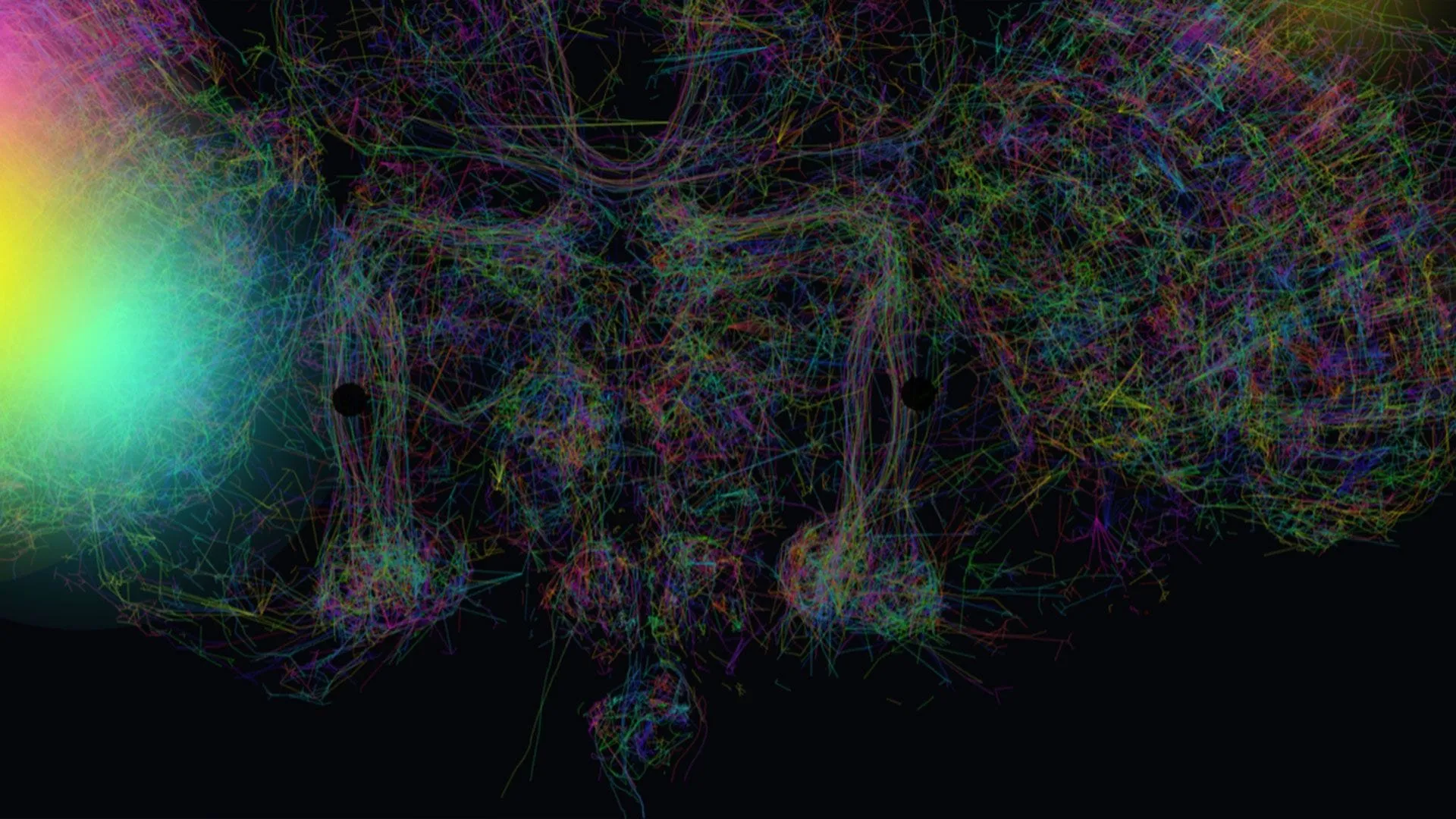
What if the future of cryptocurrency mining wasn’t powered by silicon chips, but by biology? A radical new experiment has blurred the lines between neuroscience, artificial intelligence, and decentralized finance, introducing a project claiming to be the first organic neuron Bitcoin miner based on the fruit fly brain.
This ambitious concept is built upon the foundation of the fruit fly connectome, a massive map of the brain and central nervous system of the insect, recently made available by Google. Tapping into this biological blueprint, a company named FutureBit has introduced HashFly, a proof of concept designed to demonstrate the potential of organic computing in the realm of cryptocurrency.
The core idea behind HashFly is to use the simulated photoreceptors in the fly’s eye to read data. These simulated biological components are designed to process block headers and compute the complex SHA-256 target required for mining. Neurons within the simulated brain, specifically cells like PPL101, are activated to perform these calculations, demonstrating how organic structures might be harnessed for computation.
While this is currently a proof of concept, the theoretical implications are staggering. Designers of HashFly posit that if this technology could be scaled up using real organic neurons, the resulting efficiency would be revolutionary. They estimate that hashing with organic neurons could achieve approximately 1 watt per terahash—ten times more efficient than the best silicon 3nm ASICs currently on the market.
This focus on organic efficiency stems from the broader research into computing powered by wetware, or biological systems. The project suggests that understanding and replicating the complexity of a living brain could unlock radically more efficient methods of processing information than traditional hardware allows.
The enthusiasm surrounding this intersection of biology and blockchain is fueling a flurry of related, creative projects. Beyond the main HashFly effort, other minds have begun experimenting with the concept of fly-brained crypto, leading to various online initiatives. These projects explore various facets, from using simulated neurons for creative pursuits, like playing games, to turning virtual neural networks into tools for financial trading.
A rival scheme, dubbed FlyMiner, also exists in this space, demonstrating the ongoing fascination with applying biological structures to computational tasks. Although FlyMiner focuses more on the conceptual mapping than actual mining success, it highlights the creative and speculative energy flowing from the idea of leveraging the brain’s architecture for cutting-edge technology.
Credit
