Fruit fly brain trains to beat Balatro
The cutting edge of biology and artificial intelligence is yielding some truly surreal applications. Less than two weeks after Google unveiled a comprehensive mapping of the entire brain and central nervous system of an adult male fruit fly, enthusiasts have begun putting this intricate biological structure to work in the most unexpected ways.
What started as a feat of neuroscience quickly transitioned into a laboratory for complex algorithmic training. Engineers and AI enthusiasts are now exploring how this simulated neural network can tackle challenges ranging from sophisticated financial modeling to basic tasks like parallel parking.
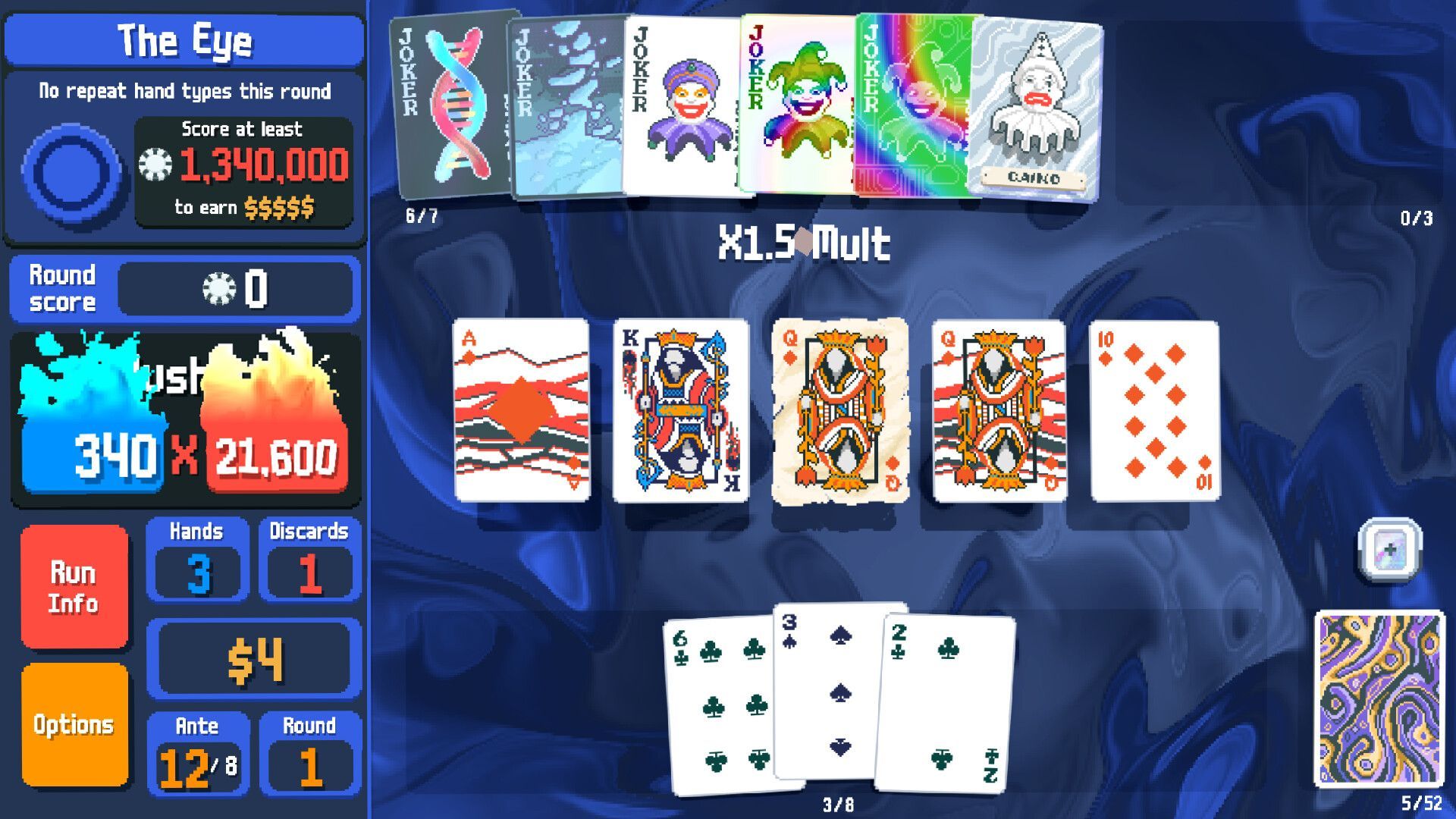
One particularly intriguing application has been seen in the realm of gaming. A user took the simulated fruit fly brain and trained it using an algorithm to master the complex rules of the card game Balatro.
The goal was to teach the biological structure to understand the intricate dynamics of the game, where success hinges not just on simple mathematics but on understanding the complex interactions of jokers, scoring systems, and boss abilities. This task highlights how incredibly difficult it is to train an AI to manage layered, non-linear rules, a challenge even for human players.
The training process involved feeding the algorithm both the physical brain apparatus and the game seed. The system then compared the fly’s choices against the outcome, rewarding or punishing the neural model based on its success rate. In one instance, the trained structure achieved a success rate of 20% on a random seed, suggesting a promising start to this unique bio-gaming experiment.
While the results are still being analyzed, the approach demonstrates a novel way to explore learning. Despite the seemingly straightforward nature of poker, the complexity introduced by game variables means consistency is a high bar. The project underscores that mapping biological complexity can unlock entirely new, unexpected avenues for machine learning.
Credit