FSR 4.1 now works on RX 6000, Xbox, and Ryzen AI
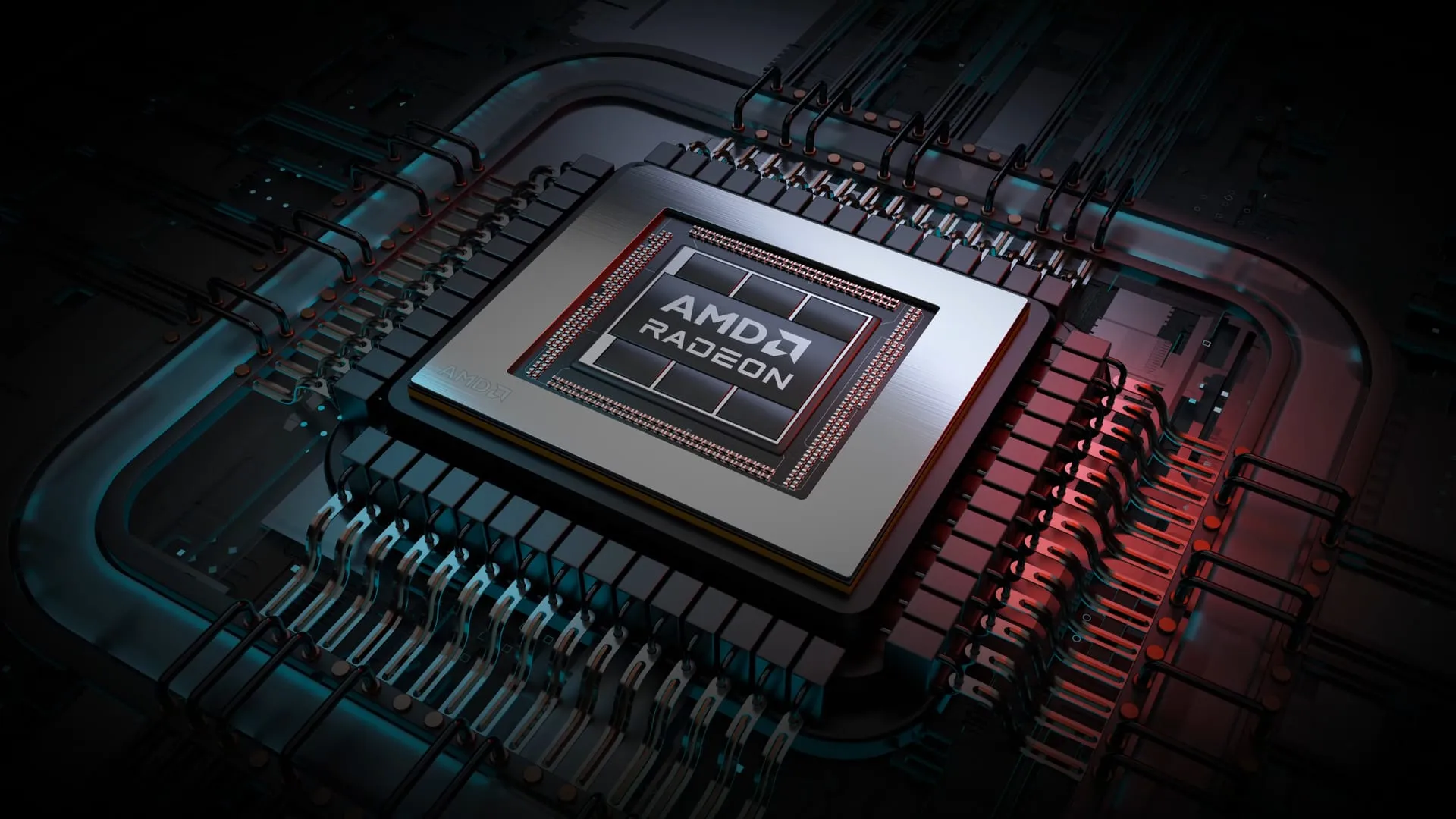
Get ready to upgrade your visual experience, because AMD has just dropped a tidal wave of new technology designed to push the boundaries of graphics and performance. The excitement is building around the official release of FSR 4.1, a major leap forward that targets a wide range of hardware, promising sharper images and smoother gameplay for gamers across the board.
This announcement isn’t just about a new upscaling tool; it’s about fundamentally improving how games look and feel. AMD has officially brought FSR 4 upscaling technology to the Radeon RX 7000-series graphics cards, signaling a commitment to delivering high-fidelity visuals to the next generation of gaming hardware. Furthermore, Radeon chief Jack Hyunh has announced the wider availability of FSR 4.1 for a diverse ecosystem, including the RX 6000 series, Xbox Series X and S consoles, Ryzen Z-series handhelds, and machines equipped with Ryzen AI Max and AI 9 chips.
Under the hood, AMD has made some smart adjustments to achieve this performance boost. To handle the improved visuals, they tweaked the FSR 4.1 neural network model to properly utilize INT8 shader hardware, offering superior results compared to previous iterations. For mobile users, the technology has been refined even further, resulting in a version that is less than half the size of the full implementation.
The real payoff for gamers is in the quality. AMD claims that FSR 4.1 delivers noticeably better image quality than FSR 3, all while maintaining performance. For example, testing with titles like Cyberpunk 2077 running in FSR Balanced mode at 4K on a Radeon RX 6900 XT showed that the upscaling cost was minimal—just about 13% performance loss—in exchange for significantly sharper and more stable visuals, especially when motion is involved.
Beyond just raw image quality, the enhancements extend to game flow. The Radeon team also introduced improvements to FSR Frame Generation, aiming to resolve long-standing complaints about frame pacing. This means smoother, more consistent gameplay, regardless of whether frame generation is enabled or not. Other exciting features include official support for the Vulkan API with FSR 4.1, which opens up possibilities for more games and console emulators.
AMD is also pushing visual fidelity into new territory with the introduction of FSR Ray Regeneration. This powerful technology is already integrated into games like Warhammer 40,000: Darktide, demonstrating the potential for dynamic and realistic lighting effects. This commitment to advanced features shows AMD’s dedication to providing an evolving gaming experience.
To access these advancements, users can update their experience by downloading the latest Radeon 26.10.1 drivers from the AMD Adrenalin application or directly from the AMD website. These updates also bring fresh support for popular titles such as Call of Duty: Modern Warfare 4, Star Wars: Galactic Racer, and Final Fantasy Resonance.
For those owning Xbox and Ryzen Z2-series handheld devices, updates are forthcoming from manufacturers, as these devices rely on OEM-specific drivers. As the gaming landscape rapidly evolves, AMD is clearly focused on ensuring that RDNA 2 gamers have access to cutting-edge tools. With the tech pushing towards 2077, the wait for truly next-generation graphics is closer than ever.
Credit
