Fujifilm boosts tape production 5x for AI storage demand
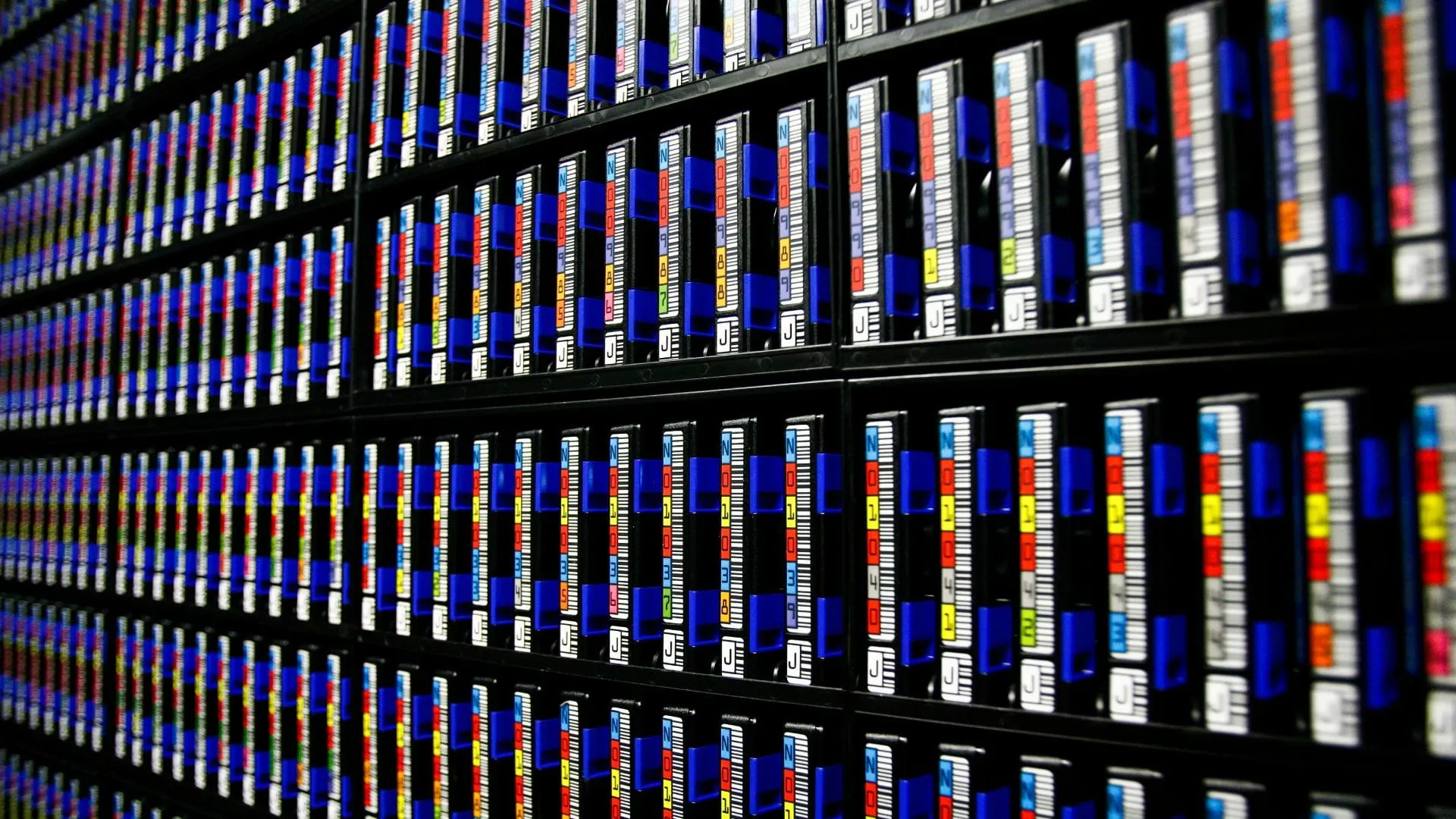
In the booming world of artificial intelligence and global data center buildouts, where performance metrics often dominate the conversation, a quiet giant is making a major comeback: magnetic tape. Fujifilm, a venerable name in technology, is embarking on a massive expansion of its magnetic tape production capacity, aiming to boost output by as much as five times to keep pace with surging global demand.
This strategic move is directly tied to the explosive growth in AI data centers, which require massive, reliable, and cost-effective solutions for long-term data storage. Fujifilm is committing 10 billion yen, or approximately $63.3 million, to expand capacity at its Odawara plant throughout fiscal year 2028. This investment will enable the firm to produce significantly more advanced tapes, reaching capacities of up to 100TB each.
This expansion marks Fujifilm’s largest investment in tape-based storage in nearly two decades, signaling a renewed confidence in the medium’s future relevance. Magnetic tape has long served as the gold standard for long-term data backup, especially for so-called cold data—information that is critical, rarely accessed, but must be stored safely.
While newer technologies like solid-state drives (SSDs) and traditional hard disks (HDDs) compete on raw performance, tape storage offers distinct advantages. It remains incredibly durable, offers relatively low storage costs—sometimes costing a quarter of hard disks—and research suggests it is also less polluting than other storage solutions.
The capacity roadmap for magnetic tape is equally ambitious. The Linear Tape-Open (LTO) format is already poised for massive growth, with the roadmap allowing tapes to expand capacity significantly, potentially reaching 365TB per cartridge. This trajectory contrasts with current SSD technology, which tops out around 256TB, and while SSDs offer high density, they come at a higher cost.
The demand for data center storage is currently creating a global shortage, driving up costs for all storage solutions. While competitors like Toshiba, Seagate, Western Digital, Kioxia, and SanDisk are simultaneously working to push the boundaries of hard disk and flash memory capacities, Fujifilm’s focus on high-capacity tape provides a robust and environmentally conscious alternative for the ever-growing need for scalable, archival storage.
Buy on Amazon
Credit
