Game Pass vs Gears of War E-Day’s fate
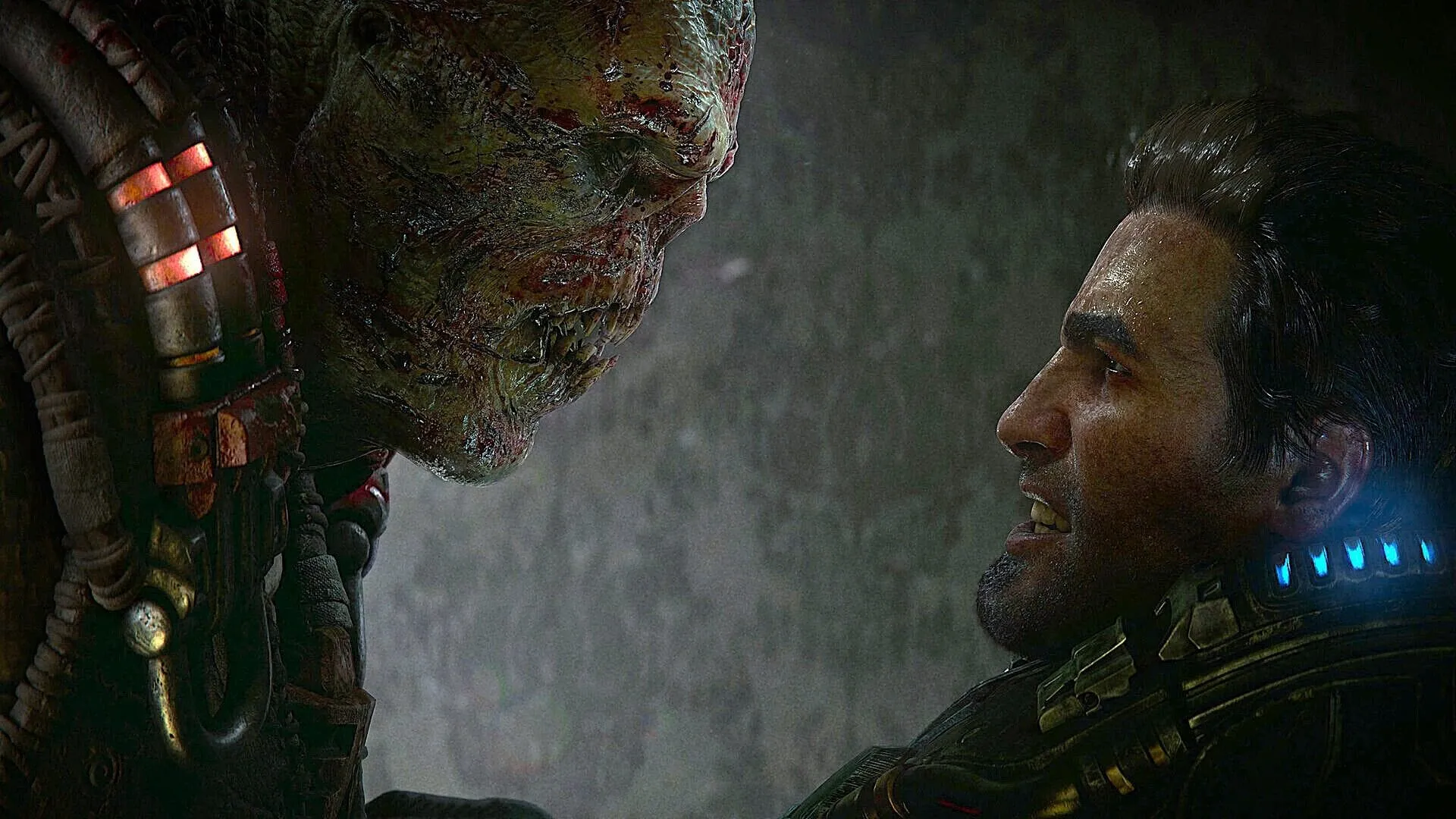
The excitement surrounding major Xbox releases often sparks a heated debate, but this time, the friction isn’t about the game itself. It’s about the sensationalized reporting, the astronomical budget figures, and the often-blaming narrative that emerges in the wake of a launch.
When the headlines focus on a game’s alleged failure, the conversation quickly devolves into blaming the consumer. In the case of titles like Gears of War E:Day, the commentary machine tends to fixate on retail sales figures and immediately assign fault, often unfairly pinning the failure on the fans who supported the ecosystem.
But before we fire off the blame, we need to look at the actual economics. The widely circulated figure of a $500 million development cost is often presented as a sticking point, but it requires significant context. This number doesn’t just cover the direct development of the game; it encompasses the massive operational overhead required to support Microsoft’s custom internal engine development, including the costs related to Unreal Engine integration across the entire Xbox studio network. Conflating general research and development overhead with a single game’s production cost paints a misleading picture of the true financial landscape.
Furthermore, the expectation that players must buy a full $70 retail price for a single title fundamentally clashes with the established value proposition of Xbox Game Pass Ultimate. For many subscribers, the service is not just a gaming pass; it’s a vault offering the equivalent value of roughly four full-priced AAA games upfront. Asking consumers to pay twice—once for a subscription and again for a standalone title—ignores the smart economic structure Microsoft has built.
This dynamic highlights a crucial divergence: the retail model is outdated when viewed against a subscription ecosystem. The entire premise of Game Pass is that players pre-pay for access, eliminating the need to shell out $70 for every major title. Expecting users to treat a service designed for access as a pure transactional space ignores the reality of how the platform is designed to operate.
When considering exclusivity, the demand for instant gratification often clashes with the reality of platform strategy. While the desire for console-specific titles is understandable, achieving true platform momentum requires patience, not just a single, flashy release. Hardware sales and brand confidence are rebuilt over years, not in a single quarter. Demanding immediate exclusivity for a single title doesn’t reflect the slow, steady evolution of the gaming market or the demographic realities of console ownership today.
Ultimately, the discussion about Xbox success should shift from blaming the audience to examining the platform’s long-term strategy. True differentiation will come not from chasing momentary exclusives, but by focusing on platform-defining pillars—the massive, enduring experiences that make the Xbox and PC ecosystem the definitive choice for long-term gamers. It is time to let the market and the established economic structure guide the conversation, rather than relying on short-term hype.
Buy on Amazon
Credit
