Gaming headset truth comfort beats audiophile sound
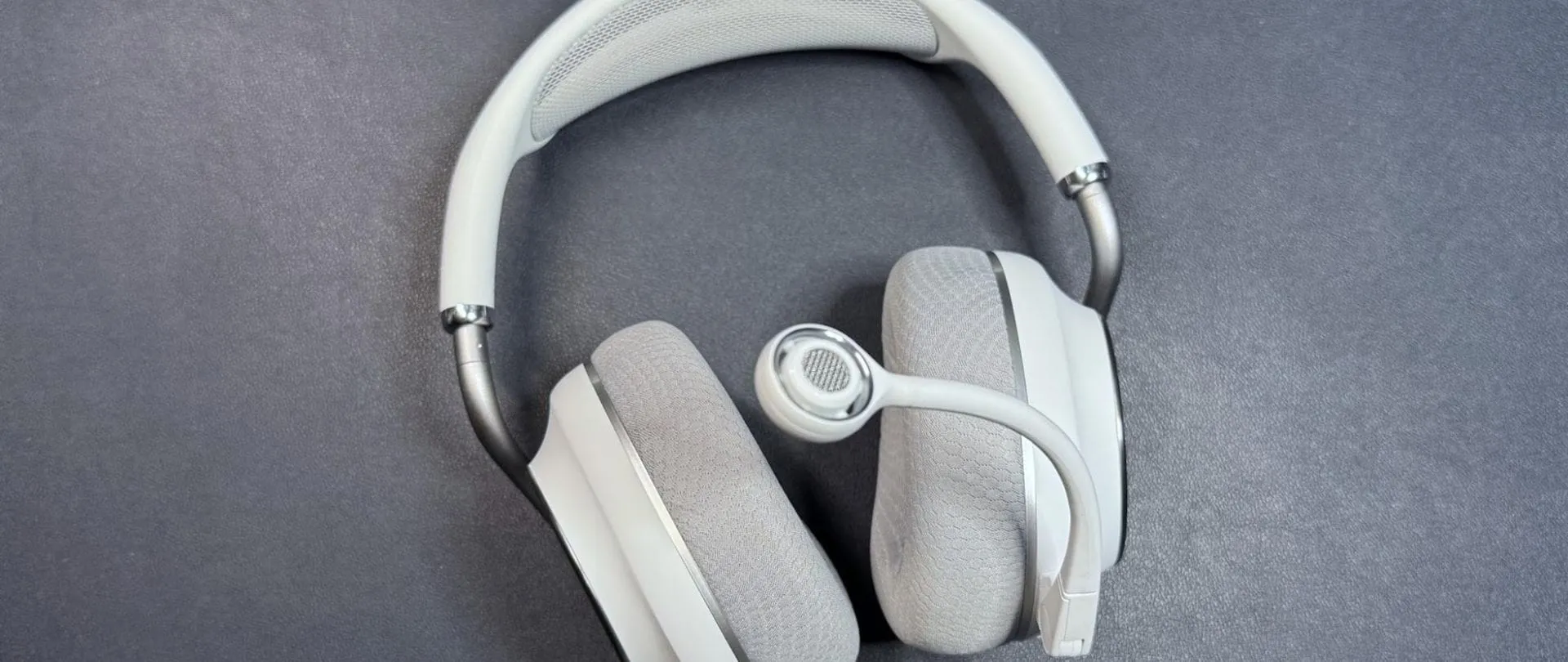
The Headset Divide: Where Audiophile Purity Meets Gaming Necessity
When you start looking for the ultimate gaming headset, the choice immediately presents itself: should you prioritize pure audio fidelity, as audiophiles demand, or must you prioritize functional features, comfort, and tactical communication, as gamers require? It’s a fascinating debate that reveals a deep philosophical split between two distinct audio worlds.
Audiophile headsets, including high-end headphones, are built around one singular goal: audio fidelity. They are meticulously designed and tuned to reproduce sound exactly as it was recorded, aiming for absolute accuracy and an expansive soundstage. This focus on fidelity often means an open-back design, allowing sound waves to move freely, offering listeners a wide acoustic experience. While this pursuit of pristine sound quality is exhilarating for those who appreciate pure music, it may not always align with the demands of intense gaming.
Gaming headsets, on the other hand, operate under a different mandate. While they do incorporate audio, their primary focus is on utility: comfort, convenience, and communication. For competitive gamers, the audio needs to serve a practical purpose—delivering precise, directional cues for tactical advantage, such as pinpointing footsteps and gunshots. The goal shifts from replicating a recording exactly to making the game sound appropriately epic or horrifying.
The difference in focus dictates how each category handles the practical elements of wearing a headset. Comfort is a prime example. Audiophile designs often lean toward larger, open structures to facilitate sound movement, prioritizing acoustic experience. Gaming headsets, however, prioritize physical comfort and practicality. They are often lightweight and feature gamer-specific ergonomic solutions, such as specialized earpads designed to accommodate glasses, or hinge-free designs to prevent snagging.
Convenience is where gaming headsets pull ahead decisively. Gaming peripherals are packed with technology designed to streamline the gaming experience. They offer seamless switching between devices, multi-source audio input, and quick access to EQ presets. Features like dynamic app-based tuning and specialized controls allow gamers to manage complex audio inputs easily. In contrast, audiophile setups are typically wired, lack extensive non-audio technology, and often require external audio interfaces to function with a PC.
Communication is another critical area where the two approaches diverge. While a standalone USB gaming microphone often yields superior voice quality, gaming headsets provide built-in tools that facilitate team communication. Features like ChatMix allow gamers to seamlessly manage game audio alongside chat audio, enabling them to dial up voice communication over intense game sound effects. This focus on integrated communication tools—noise reduction, microphone EQs, and sidetone—is highly tailored to the team environment.
Ultimately, there is no universally perfect answer; the optimal choice depends entirely on how you plan to use the device. While some premium models, like the Audeze Maxwell 2, attempt to bridge the gap by offering spatial immersion, they often make sacrifices. They deliver a wide soundstage but may lack the pinpoint spatial accuracy required for tactical gameplay. Similarly, devices that focus purely on audiophile performance, such as the Audeze LCD-GX, prioritize sound above all else, often omitting the crucial gaming features needed for competitive play.
If your goal is to achieve the absolute pinnacle of sound reproduction for music and cinematic listening, the audiophile route is compelling. But if your primary objective is tactical advantage, seamless multi-device connectivity, physical comfort for marathon sessions, and integrated communication tools, the features packed into a gaming headset are indispensable. You won’t miss some pure audio quality, but you will certainly miss the ability to hear those critical footsteps. The decision boils down to whether you value sonic perfection or functional performance above all else.
Buy on Amazon
Credit
