Gaming pauses as Nvidia pivots to data center focus
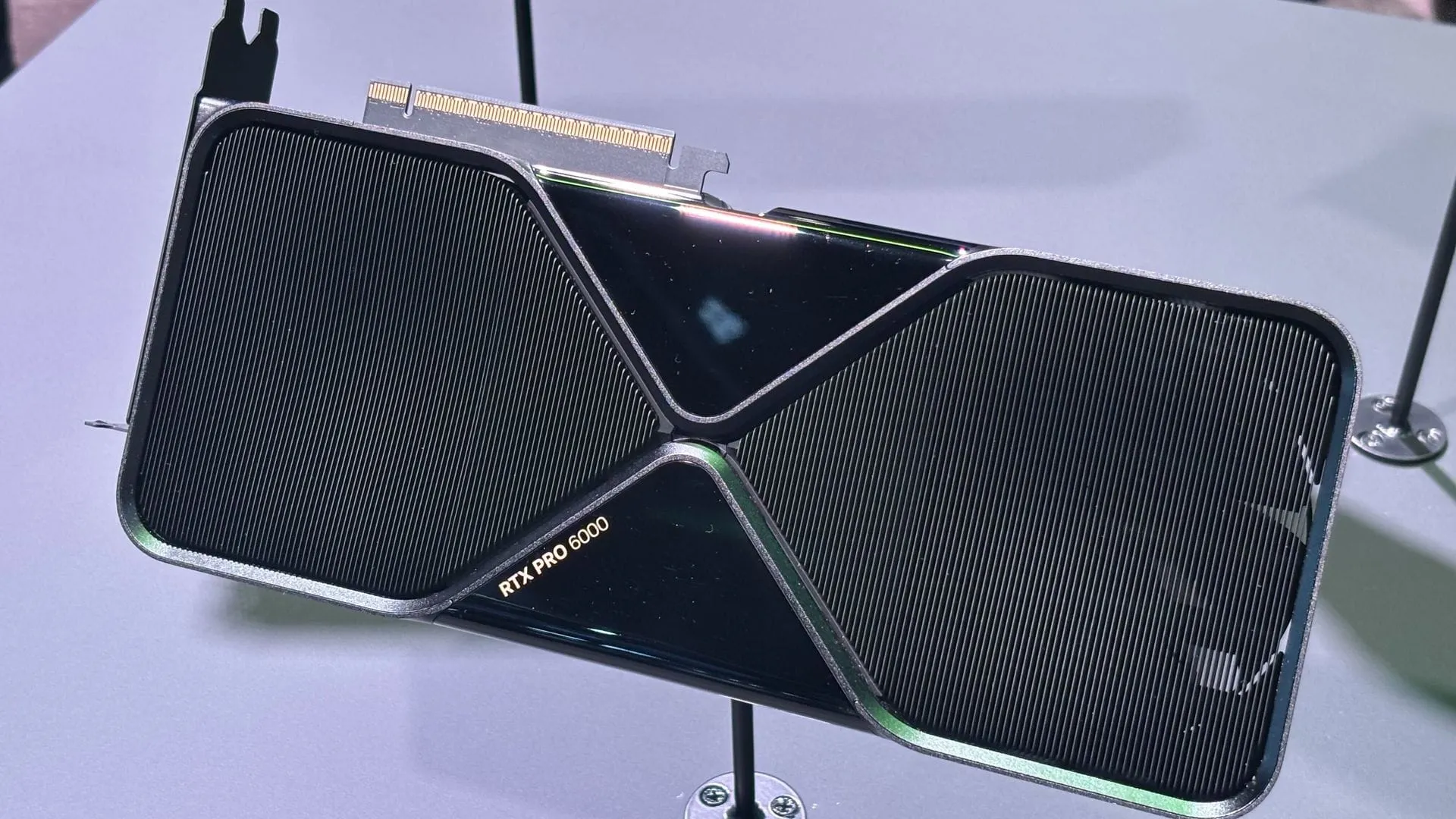
The Great GPU Wait: Why the Next Generation of Nvidia Graphics Cards Might Be Taking a Six-Year Detour
The future of gaming and artificial intelligence hinges on the latest graphics cards, but for many consumers, the timeline feels more like a slow-motion sprint. A recent leak from hardware enthusiast Kopite7Kimi has thrown a significant curveball into the Nvidia release schedule, suggesting that the highly anticipated RTX 60 series, based on the Rubin architecture, may not hit the market until at least 2028.
This update signals a notable postponement, especially considering earlier speculation pointed toward a late 2027 debut. The extended delay forces a look beyond simple engineering timelines and into the complex realities of the semiconductor supply chain and Nvidia’s strategic focus.
Understanding the shift requires looking at the technological foundation. While recent generations, such as Ada Lovelace and Blackwell, shared the same TSMC 4N process node, moving to the more advanced TSMC 3N or 3NP node that the Rubin accelerators currently utilize is a massive undertaking. Leaks suggest this transition alone could take Nvidia a full six years to complete for consumer GPUs.
So, what is causing this extended wait? The reasons appear to be twofold: internal resource allocation and global supply constraints.
Firstly, Nvidia is clearly prioritizing its massive, highly profitable data center business. The company anticipates generating $20 billion from the Vera Rubin hardware in Q3 2027, positioning this AI-focused segment as its fastest ramp in company history. This intense focus on enterprise and data center demand means that consumer product launches are being strategically sidelined while the company locks in these lucrative, high-demand contracts.
Secondly, the physical constraints of manufacturing pose a major hurdle. Developing powerful GPUs requires vast amounts of memory and guaranteed wafer supply from partners like TSMC. With component costs remaining incredibly high, Nvidia is naturally focusing its limited resources on enterprise and workstation products before committing to a potentially less profitable consumer launch.
This focus on the high-margin AI sector means that the consumer graphics card cycle is currently taking a backseat. This strategic prioritization is particularly keenly felt when looking at the current market. The RTX 5090, for instance, is experiencing a significant pricing squeeze, with third-party sellers demanding prices well over $9,500.
For the average consumer, this situation presents a clear choice. The current market demands patience. Unless consumers are willing to shoulder the dizzyingly high costs currently being seen in the market, the wisest bet may simply be to hold onto existing hardware and wait for the next generation to arrive. The next era of graphics is coming, but for now, the wait is on.
Buy on Amazon
Credit
