Garage rig yields 54GB VRAM for just $35
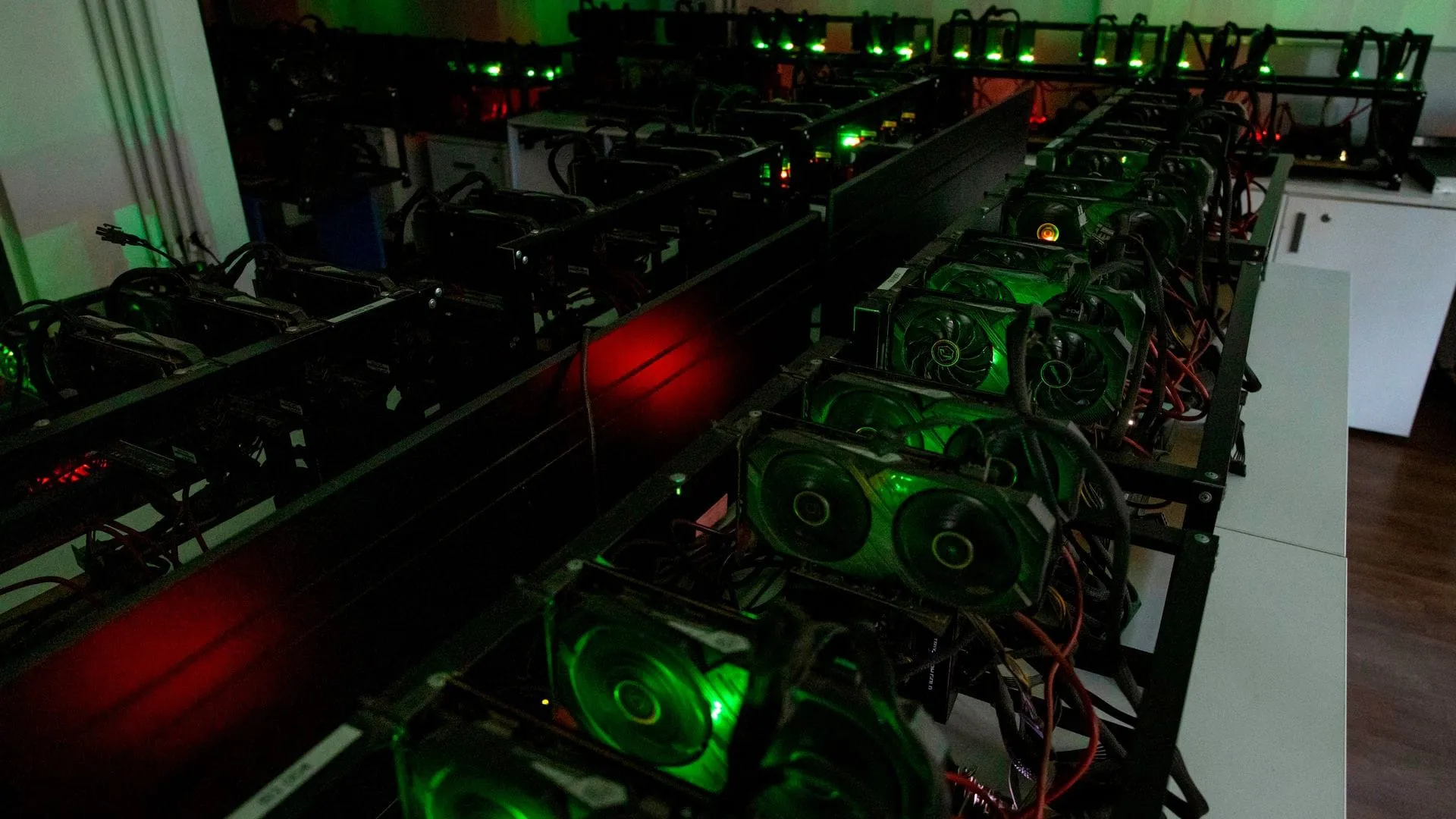
Sometimes, the greatest technological treasures are hiding in the dust of forgotten garages, waiting for a determined eye to spot their potential. This is the story of a crypto mining rig, originally destined for a dusty corner, that found an unexpected future as a powerful platform for local artificial intelligence.
The discovery began with a sensational bargain. A buyer snagged this piece of hardware for a mere 3,000 rubles—approximately $35—from a seller who had no idea what they were parting with. The rig itself was a relic, rusty and untested, prompting some to pause before making a deal, but the buyer decided that the potential was worth the risk.
The core of this treasure was a stack of nine Nvidia P106-100 GPUs, collectively boasting a substantial 54GB of VRAM. These cards, dating back to the Pascal generation, were originally designed for crypto mining but now offer a fascinating opportunity for enthusiasts looking to self-host demanding large language models (LLMs).
When the buyer finally ran the initial tests, they were pleasantly surprised. Despite the hardware’s age and the lack of pre-purchase verification, the system proved functional. The setup successfully ran a mixture-of-experts model, specifically Alibaba’s Qwen with 35 billion parameters. The results were impressive: the system managed to operate at over 30 tokens per second in Ollama, demonstrating real-world performance for running advanced AI models locally.
This performance outcome highlighted a key advantage of using specialized, compute-focused hardware. While some might assume the older setup is limited, the specific nature of the MoE model allowed the system to maximize the available VRAM. This demonstrated that repurposing older, high-VRAM GPUs can unlock significant potential for practical AI deployment.
The technical limits, as expected, are present. While the setup is capable, bandwidth and system limitations pose constraints. The performance is notably affected by the older PCIe 2.0 x1 motherboard slots, which bottleneck the data transfer between the GPUs. Furthermore, while models like Llama 3.3 70B could theoretically fit within the VRAM capacity, the speed at which they operate is limited by the overall system architecture.
However, this is where the real value lies. The buyer achieved a remarkable result: a massive amount of VRAM for an astonishingly low cost. The effective price for the 54GB of VRAM came out to just 65 cents per gigabyte, a fraction of the cost for newer, high-end accelerators. This incredible value underscores a powerful trend: repurposing used hardware is a viable, exciting pathway for those who want freedom in self-hosted AI solutions.
With the rig secured, the next phase involves an upgrade. The plan is to move the system into a modern chassis that can accommodate more GPUs and a more robust CPU. This transformation paves the way for a truly expansive AI environment, offering users unlimited usage and genuine privacy—turning an old mining rig into a powerful, personalized AI powerhouse.
Buy on Amazon
Credit
