Gears of War E-Day: Great shooting but a sluggish campaign
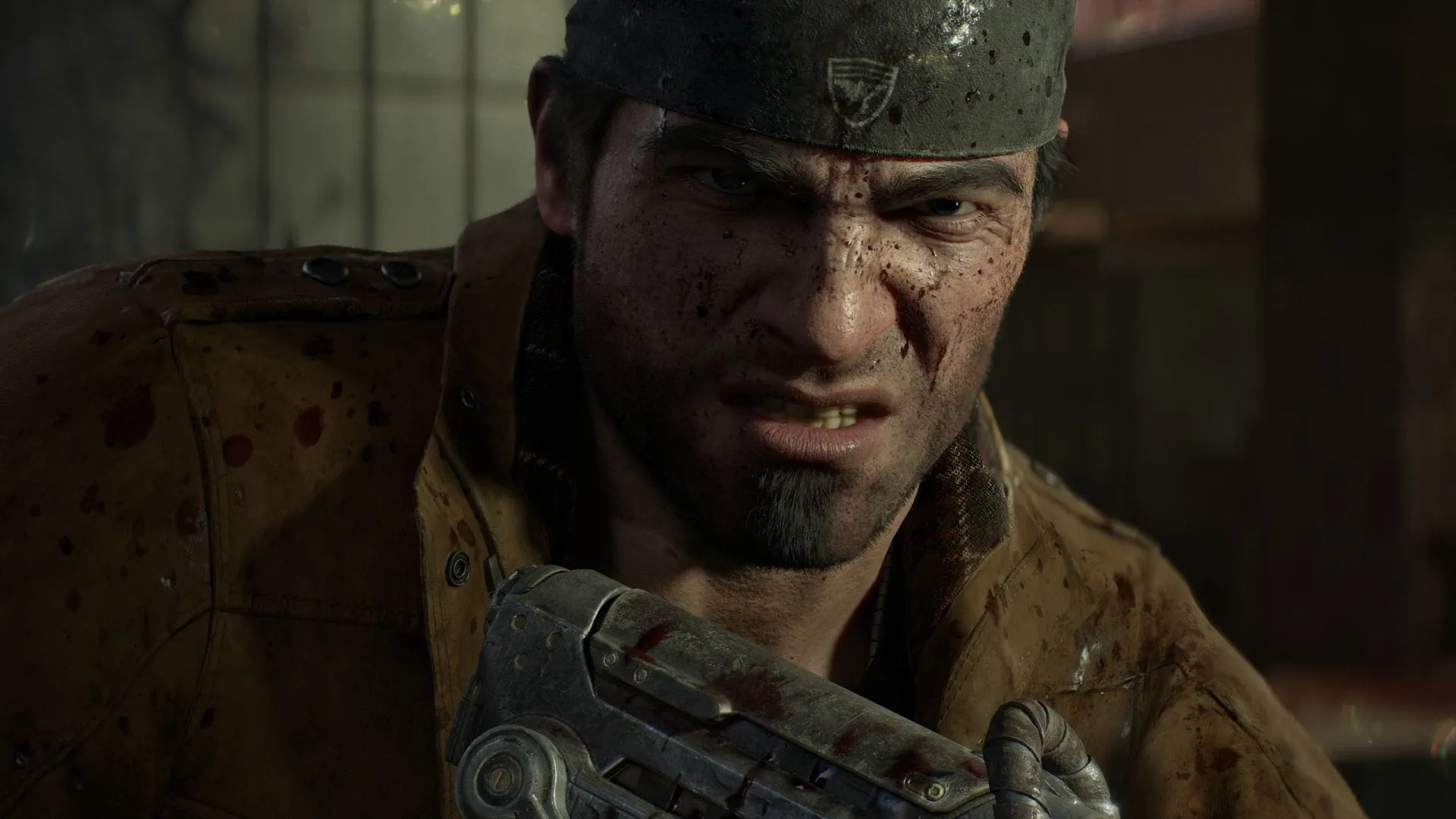
Gears of War: E-Day – A Look Back at the Locust War and the Evolution of Cover Shooting
When you dive into the world of Gears of War: E-Day, you aren’t just playing a campaign; you are witnessing a moment in the franchise that attempts to redefine a beloved genre. This prequel delves into the origins of the conflict, offering a compelling look at Marcus Fenix’s journey, but whether it lands as a masterpiece or a muddy slog depends entirely on how you navigate the unique blend of action, mechanics, and narrative flair.
One of the most surprising revelations is how the core mechanics have been subtly overhauled. The game introduces a literal leap forward for the franchise by allowing Marcus Fenix to use a jump button while remaining grounded, giving players a new dimension to tactical cover-based shooting. This change is crucial, transforming the engagement from simple positioning into a more dynamic, almost turn-based tactics shooter, demanding constant risk assessment. The developers successfully moved away from the frustrating ‘whack-a-mole’ feeling that some players associate with the series.
The fight itself has been beautifully refined. The design forces players to actively seek better ground, constantly weighing the risk of lining up a sniper shot or making a desperate dash for cover. The combat escalates with new weaponry, delivering impactful explosions and satisfying auditory feedback. Whether facing a monstrous frog or a newly developed firearm, the game leans into an over-the-top aesthetic that, while sometimes excessive, provides a visceral thrill that the older, more subdued combat sometimes lacked.
The visual and sound design also receive a significant upgrade. The soundscape is particularly noteworthy; the implementation of new sound effects for breaking cover and firing weapons is fantastic, adding a layer of dramatic intensity to every encounter. When the spike traps deploy, the satisfying sounds of imminent destruction enhance the tension, turning simple environmental hazards into cinematic moments.
However, as the game attempts to expand its scope, some elements struggle to keep pace. The narrative itself, while setting up the epic conflict of the Locust invasion, occasionally feels like it settles into familiar territory. The transition from exploring a ruined city to simply chasing down waves of enemies can feel repetitive, especially when compared to the more varied experiences found in other installments of the series.
The character arc of Marcus Fenix, attempting to shed the skin of his past for the hardened veteran he becomes, is central to the story. Yet, the execution of this transformation occasionally feels less earned than the epic scale of the conflict. The world-building, while offering plenty of ruin to explore, doesn’t always inspire the same sense of profound wonder that some other immersive games manage to achieve.
New features, such as weapon and armor mod slots, offer some breathing room, allowing players to personalize their experience. These additions provide small rewards and customization options. However, the game remains anchored by some frustrating design choices—particularly the length of the campaign and the pervasive use of checkpoints that interrupt the flow of storytelling. For a game aiming for epic scope, managing pacing and avoiding tedious pauses is the next major hurdle.
Ultimately, Gears of War: E-Day remains a powerful experience. It excels in its refined combat mechanics and its explosive presentation of the Locust war. While some elements feel stretched thin, the game delivers a memorable dose of action and a necessary look at the foundations of the Gears universe, promising an entertaining journey for those willing to embrace its unique, sometimes exhausting, style.
Buy on Amazon
Credit
