Gemini AI and Googlebooks: A threat to Windows
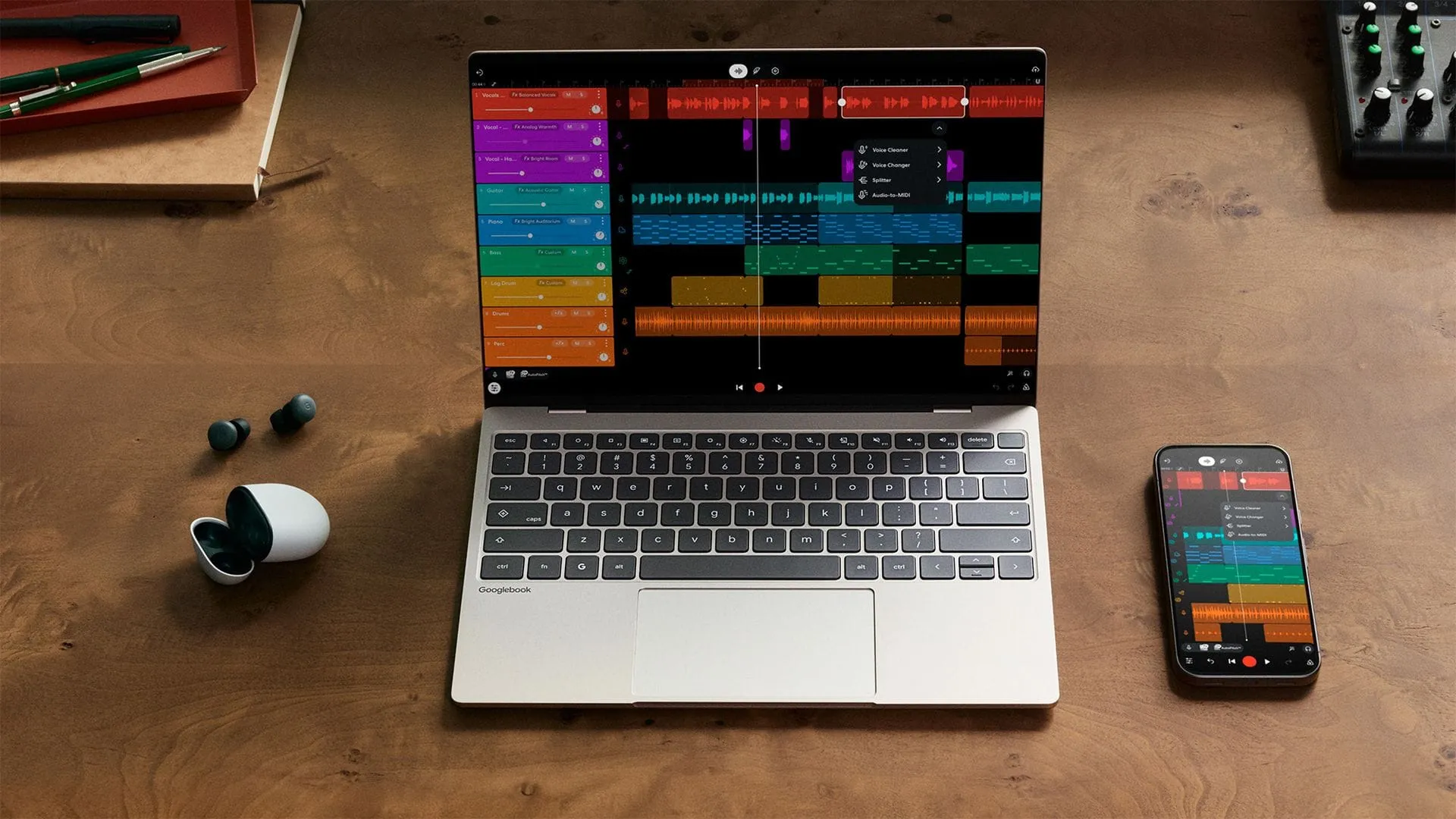
Google has officially entered the laptop arena with the unveiling of the ‘Googlebook‘ line, a fresh push into the premium segment that promises to fuse Google’s AI vision with cutting-edge mobile hardware. These new laptops are built on a potent combination of processors, featuring either Intel Core Ultra Series 3 (Panther Lake) or Qualcomm Snapdragon X Elite chips, positioning them as compelling alternatives to traditional computing setups.
The debut lineup targets a sweet spot, beginning at $899 with an Acer model, expanding the options across major manufacturers like ASUS, Dell, HP, and Lenovo. The official launch date for these devices is set for October 4, 2026, setting the stage for a serious competition in the AI PC space.
Beyond the hardware specifications, Google is emphasizing its software experience. The flagship models boast high-resolution touchscreen displays, tactile haptic touchpads, and integrated Neural Processing Units (NPUs) designed to handle local AI tasks powered by Gemini. This focus on on-device intelligence aims to deliver a seamless, integrated experience centered around Google’s AI ecosystem.
Interestingly, the physical design varies slightly across the range. While some models feature standard LCD screens, others utilize more vibrant OLED panels, allowing users to choose their preferred visual experience. This breadth of options suggests a willingness to cater to different premium aesthetics.
The core question now facing tech observers is whether this new ‘Googlebook OS’ can successfully capture market share against established giants. In a landscape already defined by the friction surrounding Windows on ARM and the dominance of the Apple ecosystem, the success of a Google-first device hinges on more than just hardware specs.
The narrative surrounding the Googlebook is deeply intertwined with the broader AI movement. As the industry pivots toward ‘Copilot+ PC’ concepts, the Googlebook attempts to stake a claim by making AI functionality the central, native experience, rather than an add-on. This move seeks to bridge the gap between consumer AI aspirations and tangible laptop hardware.
For potential buyers, the appeal lies in the promise of integration. Features like the ‘Continue On’ capability, which allows users to seamlessly transition tasks between their Android phone and the Googlebook, signal an effort to create a fluid, cross-device workflow that moves beyond simple connectivity.
Ultimately, the impact of the Googlebook will be measured not just by its processor or screen quality, but by its ability to resonate with the mainstream. Whether this line of laptops becomes a cornerstone of the AI PC revolution or finds itself marginalized in the competitive landscape will depend on delivering innovation that truly shifts consumer preference.
Buy on Amazon
Credit
