German gaming electricity plan targets high-end PCs
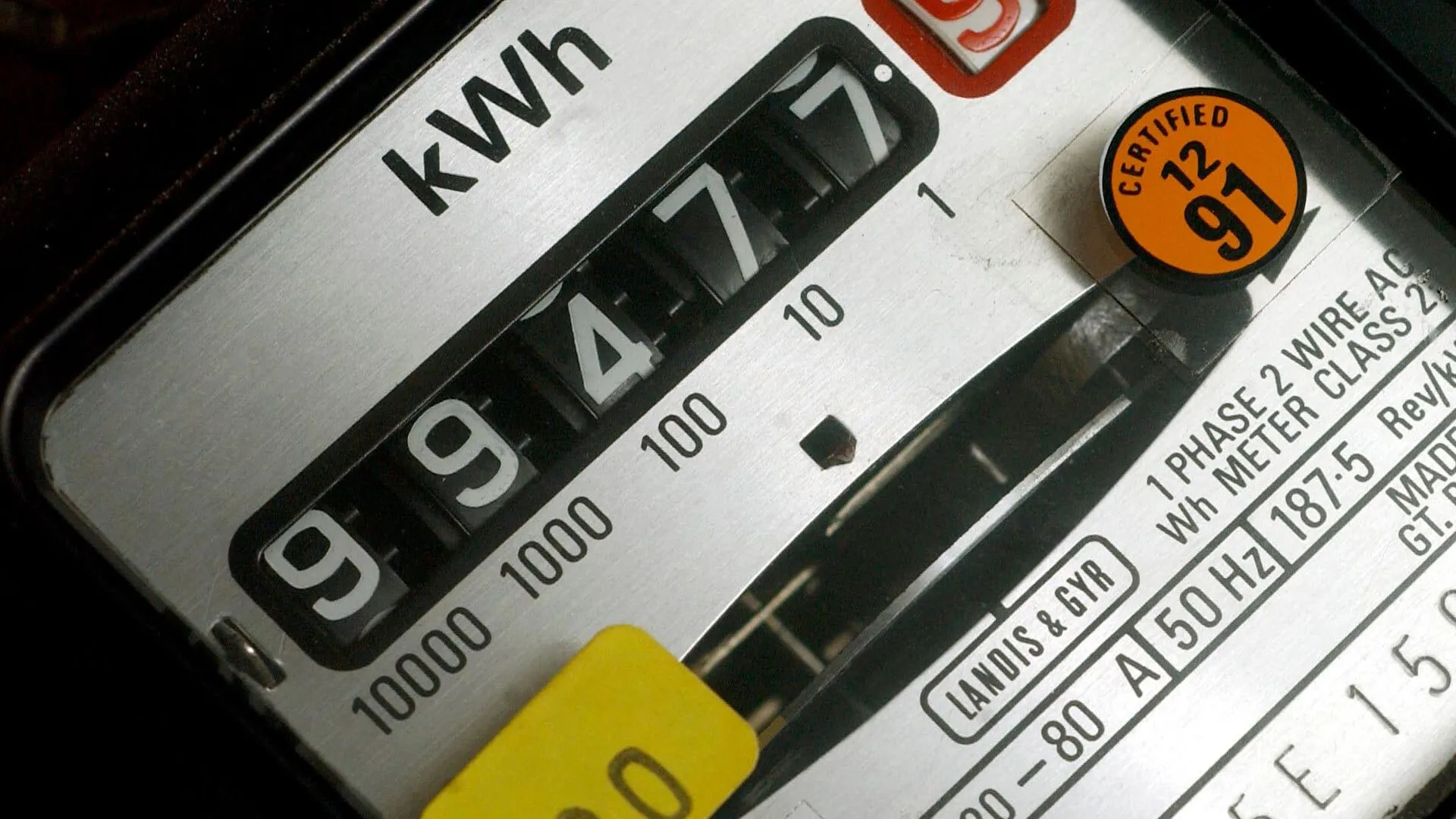
The Quest for Gaming Juice: When Power Meets the Pixel
In a world where high frame rates and lightning-fast reaction times are the holy grail of gaming, it’s natural to wonder if the power flowing into your setup can be magically optimized. Recently, German utility provider SWK Energie stepped into this digital realm, launching a new energy plan designed specifically for the high-consumption households that power the modern gaming ecosystem. Forget the notion that outlets can suddenly inject extra FPS, but this new offering promises something equally compelling: potential savings for those running demanding rigs.
The company’s initiative, branded as meinGAMING, is heavily marketed toward the passionate gamer. Their strategy leans into influencer culture and comparisons, positioning the electricity plan not just as a utility service, but as an essential resource for those running multiple high-powered devices—whether that means four RTX 5090 gaming PCs or simultaneously charging several electric vehicles.
The core premise of the plan is simple: it targets households with annual electricity consumption exceeding 2,500 kWh. SWK Energie suggests that if you fall into this high-usage category, moving to the meinGAMING plan could result in lower electricity costs. The company proudly notes that the service is backed by a commitment to 100% renewable energy, offering a layer of environmental conscience alongside potential financial benefits.
However, the feature story reveals that the marketing hype surrounding the service needs a dose of realism. While the plan claims to be cheaper than competitors, it also carries a higher base price. Therefore, the provider cautions that the service is not recommended unless a household is guaranteed to meet the minimum recommended power usage thresholds. Smart gamers are advised to compare their existing utility rates with the new offer, as local tariffs can significantly influence the final cost.
Beyond the utility sector, the trend of targeting gamers is pervasive. Many brands are capitalizing on the gaming phenomenon, flooding the market with peripherals, furniture, and accessories promising an edge. While some of these branded items offer tangible improvements, many operate more as eye-catching marketing, often burdened by what some call the “gamer tax.”
This focus on gaming has even permeated official bodies. Government agencies, including the U.S. Army and the Royal Navy, have recognized the appeal of the gaming community, engaging them in recruitment drives and integrating gaming into training and leisure activities. This reflects a broader cultural shift where gaming is now seen as a serious pursuit, influencing everything from military hiring to naval installations.
Ultimately, while meinGAMING won’t grant you a supernatural boost to your gameplay, it offers a practical avenue for saving money on energy bills for power-hungry households. It is a reminder that in the digital age, even the most cutting-edge technology—whether it’s a graphics card or an electricity plan—benefits from a bit of strategic marketing and a clear understanding of consumption.
Buy on Amazon
Credit
