Gigabyte CC software exposed kernel to attackers
The invisible wall protecting your computer is often built on layers of code, and sometimes, those layers need a little reinforcement. Recently, a security oversight within some widely used hardware management software exposed a potential backdoor into the deepest level of the operating system.
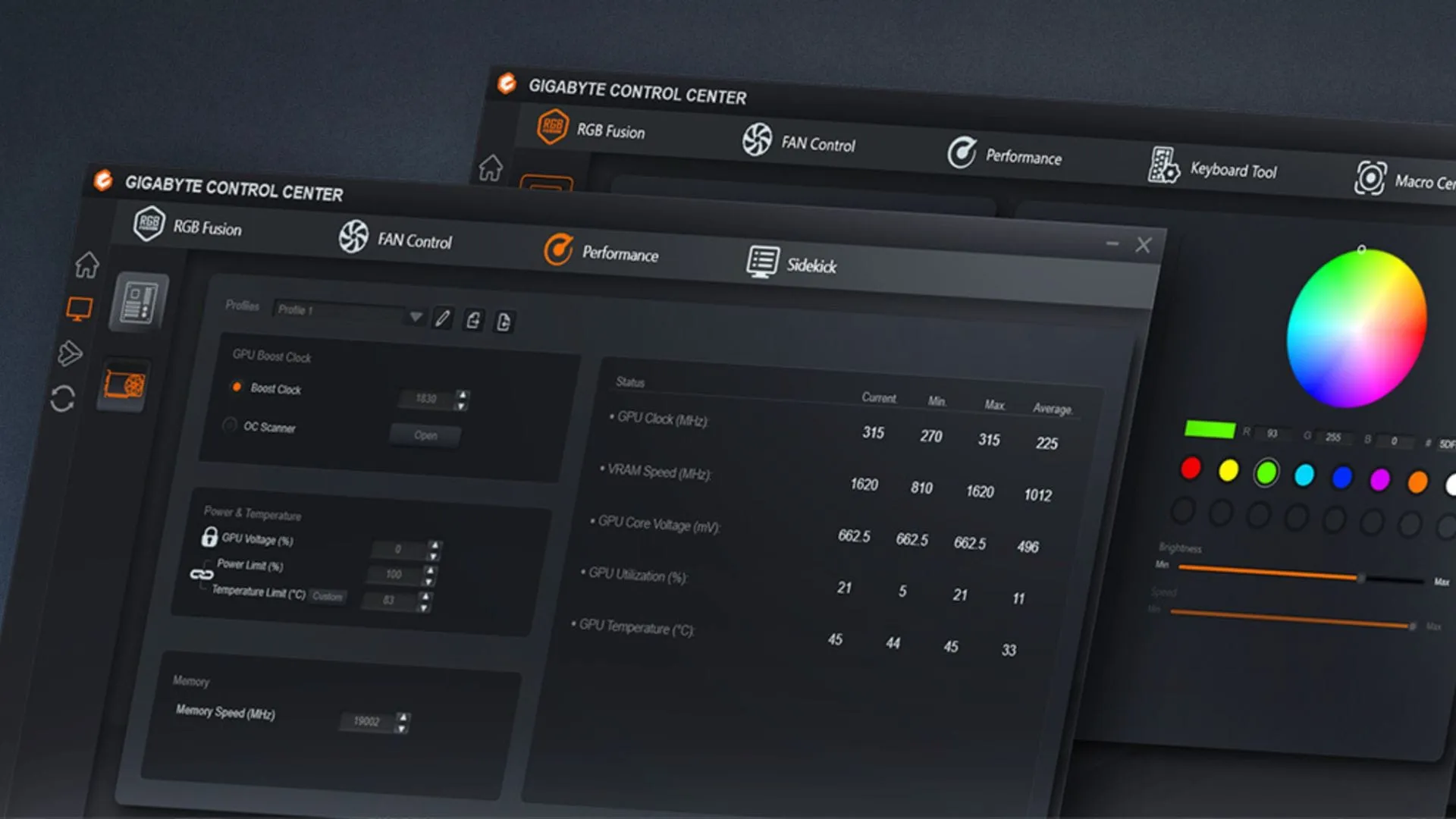
The issue centers on the Gigabyte Control Center (GCC) software, a utility many users rely on to manage their motherboards. Security researchers recently identified a vulnerability affecting specific kernel drivers, GVCIDrv64.sys and gdrv3.sys, which are integral parts of the GCC suite. While the immediate risk of a local attacker exploiting this is relatively low, experts stress that best practice dictates addressing such flaws immediately to maintain robust security.
The vulnerability stemmed from weaknesses in how the drivers handled input requests, specifically within their IOCTL interfaces. This allowed an authenticated local attacker to perform unauthorized operations, enabling them to bypass critical memory protections and potentially achieve arbitrary physical memory mapping and direct hardware access—effectively elevating their privileges to the most trusted level of the PC: the kernel.
This type of flaw highlights the perpetual cat-and-mouse game between software developers and security researchers. The discovery and subsequent patching efforts were led by Mohamed Alzhrani (0xMaz) and Subhan Sultanov (me1n), whose diligent work helped illuminate this potential vulnerability and accelerate the necessary fix. This work comes at a time when the broader industry is seeing shifts, such as Intel reportedly winding down its bug bounty program, underscoring the critical need for community-driven security vigilance.
Fortunately, a clear path forward and a strong mitigation strategy are now available for users. Gigabyte has released updates that effectively close this security gap. Users are advised to ensure they are running versions of GCC, 26.08.28.01, GBTVGA26.08.24.01, or later.
These updates implement crucial security hardening measures. They enforce enhanced access control, ensuring that driver objects are only accessible to authorized system accounts. Furthermore, the fixes include interface hardening, which removes risky interfaces that allowed direct physical memory mapping, and mandatory privilege validation, guaranteeing that only administrative requests can access hardware functions.
Crucially, the mitigation addresses the vulnerability at its source by implementing rigorous input validation for all IOCTL parameters, successfully blocking attempts to access restricted hardware registers and configuration spaces.
The takeaway for system owners is simple: keep your software updated. By embracing the patches and staying informed about security disclosures, users can ensure that the foundational components of their hardware management tools operate within a secure and protected environment. For those keen to stay ahead of these evolving threats, the full security disclosures are available on the Gigabyte security page.
Credit