Gigaphoton pioneers neon recycling system for 50% recovery
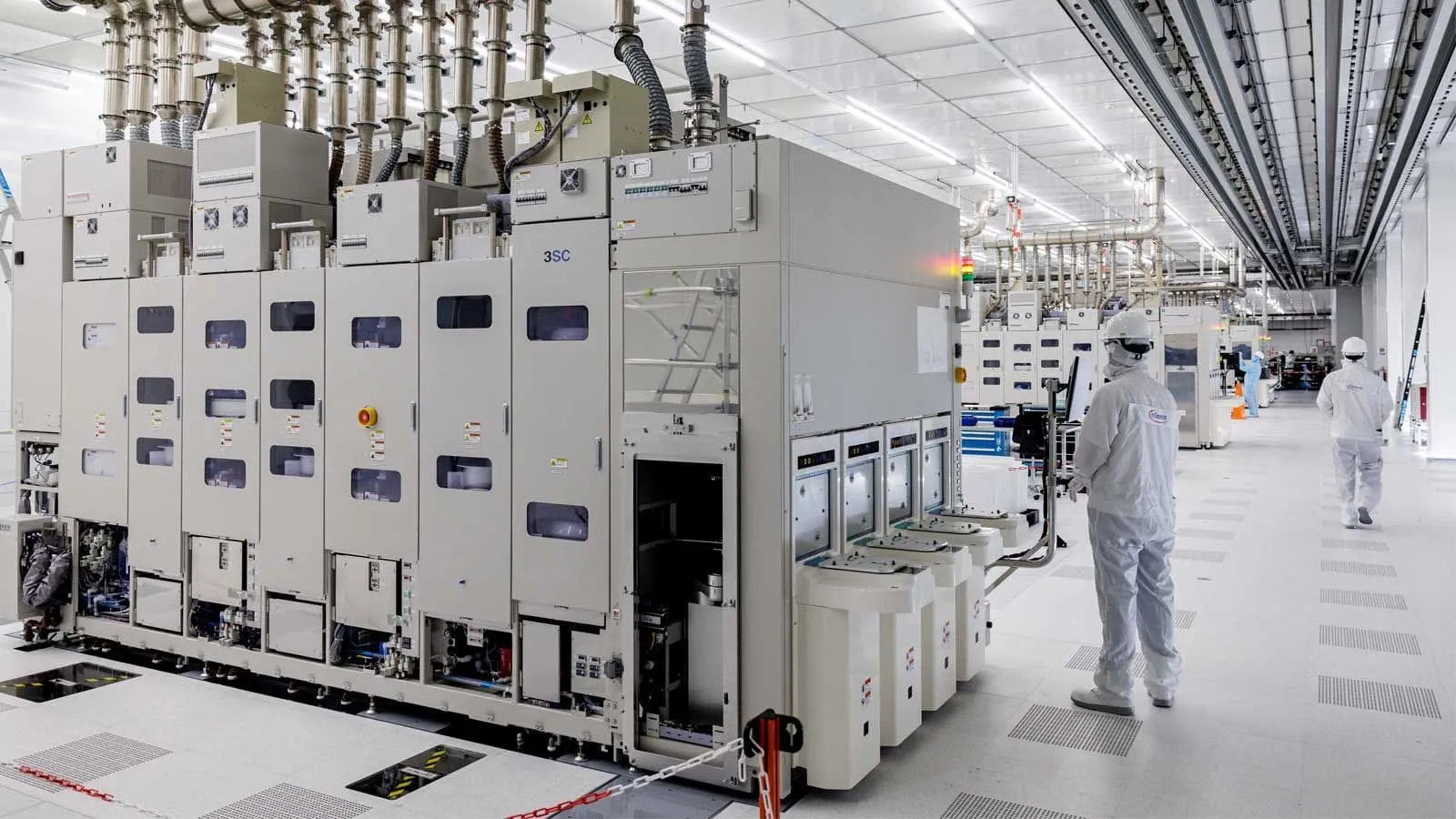
The global race for advanced semiconductors hinges on a critical, often overlooked element: neon gas. This noble gas is the lifeblood of semiconductor manufacturing, particularly in the demanding DUV processes, and its scarcity has recently turned a vital industrial material into a geopolitical flashpoint.
When the global supply chains faltered in 2022, concerns immediately focused on the supply of neon, which was essential for producing the excimer lasers used in lithography. As much as countries like China, Taiwan, and South Korea ramped up domestic production, chip manufacturers sought ways to mitigate risks by integrating material recycling directly into the fabrication process.
Leading this effort is Gigaphoton, a Japanese semiconductor lithography tool maker, which has developed a novel system called hTGM for recycling neon gas used in its argon fluoride (ArF) excimer lasers. This system has demonstrated a promising 50% recycling rate, promising substantial savings in material costs and a significant reduction in reliance on volatile global supply chains.
The implications of this innovation are profound. The semiconductor industry consumes approximately 70% of the world’s neon supply, making efficient recovery a crucial step toward stabilizing the chip supply chain. While Gigaphoton’s initial demonstration showed a 50% recovery rate, the potential for improvement is even greater. This is underscored by other research; for instance, testing by Gigaphoton suggested a potential peak recovery rate exceeding 90% in previous studies.
The drive for efficiency is clearly gaining momentum. Separately, the Japanese environmental protection company Kanken Techno has demonstrated an even more impressive neon gas recycling system for excimer lasers, achieving a recycling rate of over 90%. This development, which is currently undergoing certification, suggests that significant leaps in recovery efficiency are achievable across the industry.
Neon’s scarcity stems from its physical properties. Being a noble gas, it is relatively scarce in the atmosphere and must be obtained through complex fractional distillation of super-cooled air. For decades, the supply chain relied heavily on specialized air-separation units, which became highly vulnerable when global production capacity was restricted.
In response to the supply shocks, nations have pursued diversification. South Korea initiated a large-scale national recycling initiative focused on in-fab recovery, while Taiwan developed its own purification systems to secure domestic supply. China integrated neon purification into its broader industrial base, effectively twinning it with steel and petrochemical production facilities.
Looking ahead, the future of semiconductor manufacturing may see a reduction in the demand for neon itself. As technology shifts toward more advanced methods, such as EUV lithography (which utilizes different laser sources) and alternative technologies like nanoimprint lithography, the reliance on noble or toxic gases may diminish. Furthermore, solid-state laser technologies and new methods for producing DUV light offer potential pathways to bypass the constraints of neon usage entirely. The combination of advanced laser recycling and alternative manufacturing techniques positions the industry for a future where reliance on unpredictable international gas sources is significantly reduced.
Buy on Amazon
Credit
