GOG revives physical PC game releases
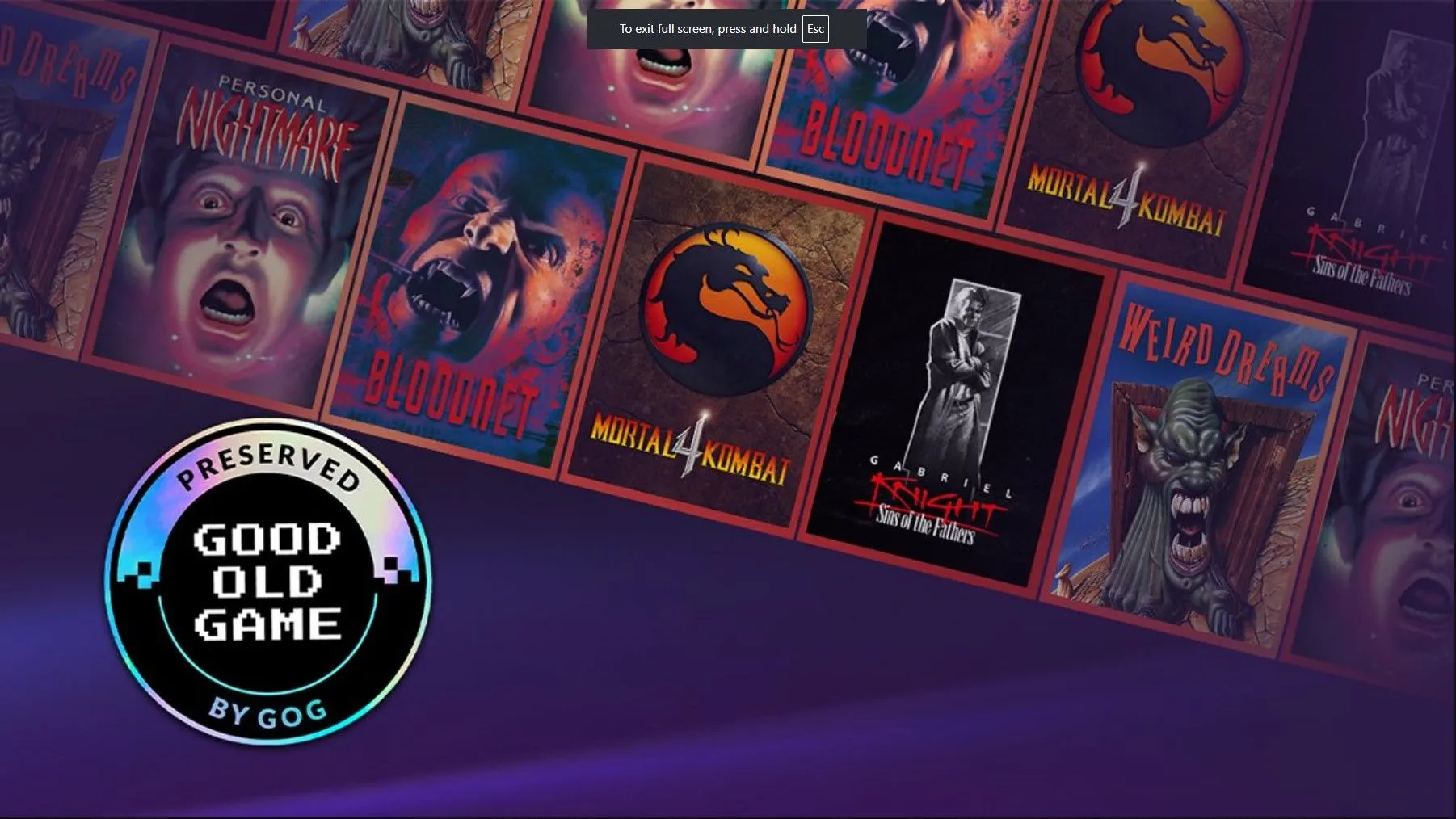
The age of digital gaming has undeniably streamlined the experience, but for many enthusiasts, the nostalgia of holding a physical game—that tangible connection to a piece of media—remains an irresistible dream. Now, a major player in the anti-DRM game storefront, GOG, is positioning itself to revolutionize this landscape by bringing physical media back to the PC gaming table.
Marcin Paczynski, the business development and partnerships manager at GOG, has articulated a clear vision: to restore the experience of owning a physical copy of a game on PC. His aspiration is simple yet powerful: to imagine a scenario where gamers can browse a physical shelf on GOG, select a title, order it, and receive a tangible copy. This vision seeks to give consumers greater freedom and agency over their gaming assets.
This push comes in response to a significant shift in the industry. While PC gaming was the first platform to move away from physical discs, major console manufacturers like Sony and Microsoft are increasingly opting for entirely digital distribution models. GOG aims to carve out a unique space by advocating for game ownership and preservation, building on existing initiatives like the GOG Preservation Program.
However, transitioning from a purely digital storefront to one that handles physical logistics presents a formidable new challenge. It requires GOG to navigate complex logistics, establish new shipping protocols, and secure additional permissions from publishers to manage the sale and storage of physical copies. This logistical hurdle is the biggest factor in realizing this ambitious goal.
Beyond the logistical complexities, the physical experience itself holds immense potential. Introducing physical media offers a chance to enhance the gaming experience in ways digital downloads simply cannot replicate. Imagine the tactile satisfaction of opening a fresh game, the distinct new-game scent, and the excitement of discovering exclusive physical bonuses.
Paczynski acknowledges that the format of this physical media will need to be innovative. Since traditional formats like CDs, DVDs, and Blu-rays are less common on modern PCs, the focus will likely shift to accessible and modern storage solutions. Ideas include packaging games on media currently popular with PC users, such as USB drives or SD cards, perhaps styled like Nintendo Switch cartridges.
This approach opens up exciting avenues for publishers to enrich the physical experience. Physical copies could serve as a vehicle for exclusive content, allowing developers to bundle stickers, in-game maps, lore documents, and secret items directly into the package. This adds a layer of collectible value and depth, appealing to players who enjoy collecting and displaying their gaming history.
Ultimately, GOG’s effort is more than just a logistical exercise; it is a bid to champion a different kind of ownership. By bridging the gap between digital convenience and physical tangibility, GOG is setting the stage for a future where gamers have complete control, and the history of their games is preserved not just in code, but in physical reality.
Buy on Amazon
Credit