GOG wants physical games but the plan is complicated
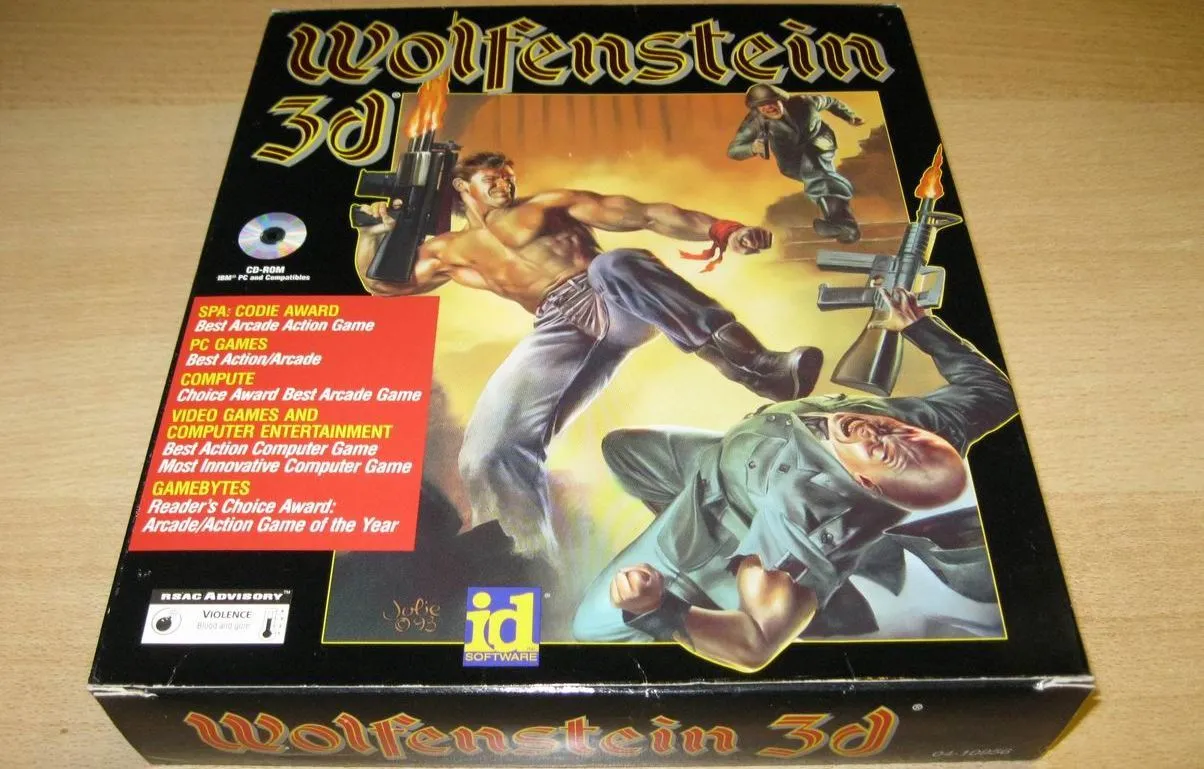
We all have those memories of gaming, don’t we? The glow of the screen, the rush of the game, and the sheer joy of accomplishment. But sometimes, beneath the digital glow, there’s a yearning for something tangible—a physical artifact that you can hold, display, and cherish. Think about the old days of massive, embossed game boxes, filled with weighty manuals, and the satisfying presence of a physical disc in your hands.
This longing for physical gaming nostalgia is hitting a nerve, and some industry leaders are dreaming up ways to bridge the gap between the digital convenience of modern gaming and the tactile pleasure of physical media. This vision is being championed by those who understand the deep satisfaction of collecting, preserving, and showcasing gaming history.
One of the clearest examples of this aspiration comes from Marcin Paczynski, senior business development and partnerships manager at GOG. He envisions a future where the ease of digital storefronts meets the desire for physical ownership. His dream is simple: to imagine a scenario where a gamer can simply browse their library on GOG, select a game they wish to own physically, order it, and have it delivered right to their doorstep. It would be the perfect confluence of digital accessibility and physical collecting.
For many enthusiasts, the appeal of physical copies goes beyond mere ownership. A disc offers a unique way to interact with a game—it’s something that can be placed on a shelf, admired, or kept close. It transforms a piece of software into a tangible collectible, offering a sense of permanence that digital files sometimes lack.
However, turning this dream into a practical reality introduces a significant hurdle. While the desire is strong, the logistics of physical distribution are entirely different from running a smooth digital storefront. As Paczynski noted, dealing with physical media requires serious consideration for logistics, storage, and distribution, making it a very, very complicated thing.
Despite the complexity, the idea is far from dead. The gaming community is already finding creative ways to satisfy this craving for physical ownership. Projects like Big Box Collection allow users to create their own facsimiles, bringing the look and feel of classic games back into the physical realm. Furthermore, the world of used games offers a charming alternative, where a few scratches and a personalized sticker lend character to a game, telling a story of its journey.
Ultimately, the debate between digital and physical gaming isn’t just about format; it’s about experience. Whether a game lives on a hard drive or a physical disc, the core desire remains the same: the connection between the player and the game, and the satisfaction of owning a piece of gaming history.
Buy on Amazon
Credit
