Google faces probe over AI data center deforestation
The Price of Progress: Google Faces Criminal Probe Over Finnish Data Center Expansion
The quest for cutting-edge technology, particularly the booming world of AI and data centers, often comes with an environmental cost. In Finland, this tension has boiled over into a criminal investigation targeting the environmental damage caused by the expansion of Google’s operations, prompting serious scrutiny over corporate responsibility and environmental law.
Tuike Finland Oy, Google’s Finnish subsidiary, is now the subject of an investigation following five complaints related to the Muhos data center project. The inquiry looks into alleged breaches of environmental law and significant ecological damage linked to the development.
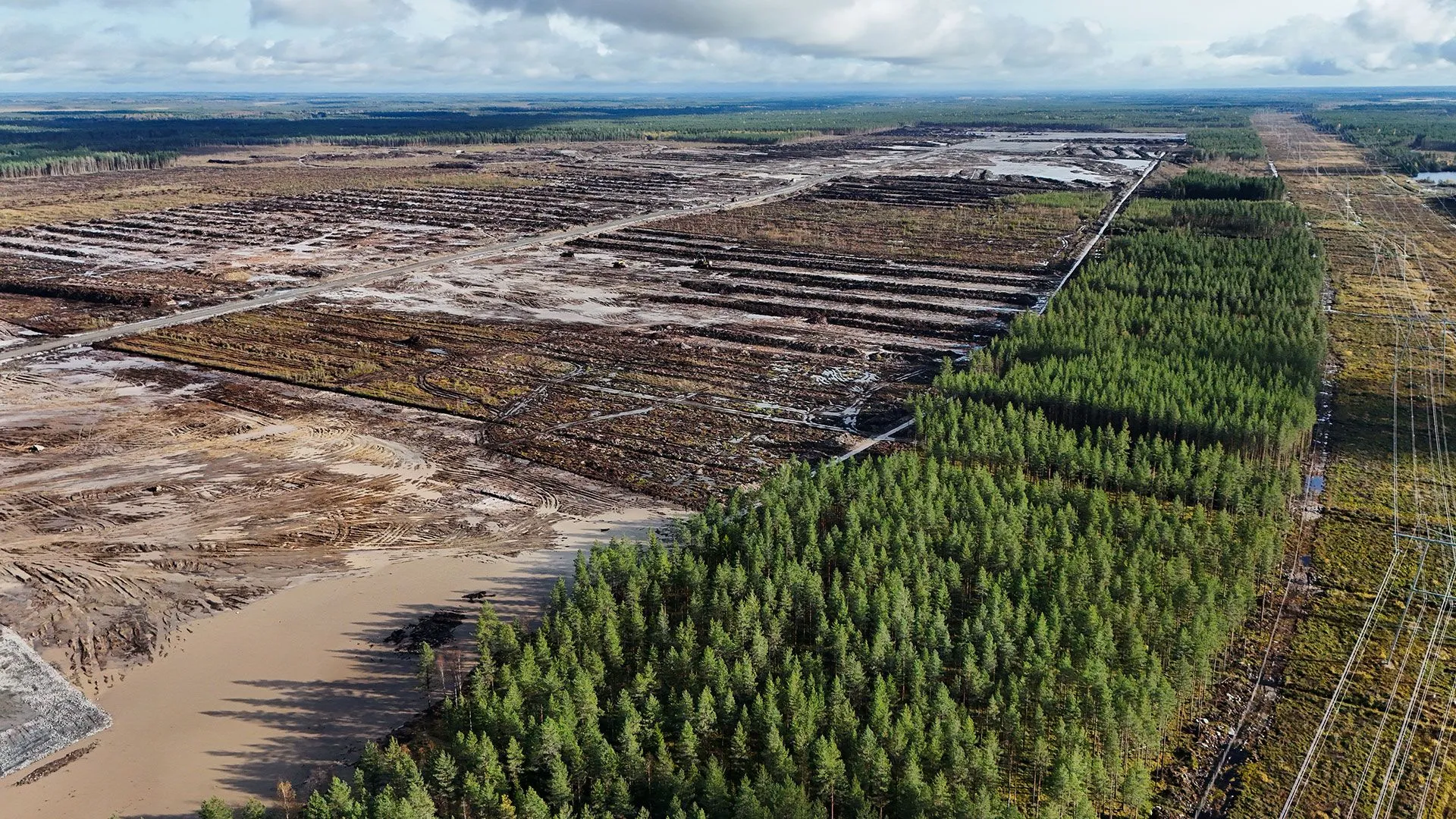
The scope of the concern is substantial. Reports indicate that the development has resulted in the removal of trees and the creation of an expanse of mud, turning 816 acres of forest into a barren landscape. This incident followed earlier issues concerning unauthorized forest clearings near the site, leading to public apologies from Google representatives.
The investigation goes beyond simple deforestation. Authorities are also looking into lesser criminal offenses concerning ambiguities and shortcomings in the drainage and water management systems implemented during the construction, adding layers to the complexity of the legal challenge.
This crackdown highlights the friction between the demand for hyperscale data infrastructure and the preservation of natural habitats. The development, which involves the clearing of vast swathes of forest, raises critical questions about whether the pursuit of technological advancement is balancing ecological stewardship.
The environmental footprint of the project extended beyond the immediate area. Reports also noted that Google proceeded with data center development by clearing 500 acres of forest near Otanmäki, further underscoring the scale of land use changes involved in this operation.
The local impact was felt acutely by the natural world and the communities residing nearby. As habitats were destroyed, local wildlife, including wolf packs, were forced to retreat from their territories, illustrating the tangible consequences of industrial expansion on the Finnish ecosystem.
While Google cited factors like Finland’s cool climate, affordable power, and low population density as attractive reasons for selecting the region for its AI projects, these benefits are weighed against the environmental costs. The presence of pollution, increased electricity bills, and ecological disruption complicated the justification for the massive footprint.
The Finnish Licensing and Supervision Authority (LVV) is backing the investigation, asserting that suspected breaches of environmental law warrant thorough examination. For Google, the focus now shifts to how the company will address these findings and propose remedies for the damage caused.
In response to the probe, a Google representative stated that the company would cooperate fully with the police investigation and remain committed to maintaining compliance across all its operational sites. The outcome of this legal inquiry will determine whether the tech giant’s pursuit of growth aligns with Finland’s demanding environmental standards.
Buy on Amazon
Credit
