Google Japan conveyor belt keyboard moves to your fingers
When Typing Becomes a Performance: Google Japan Rolls Out the Quirkiest Keyboard Yet
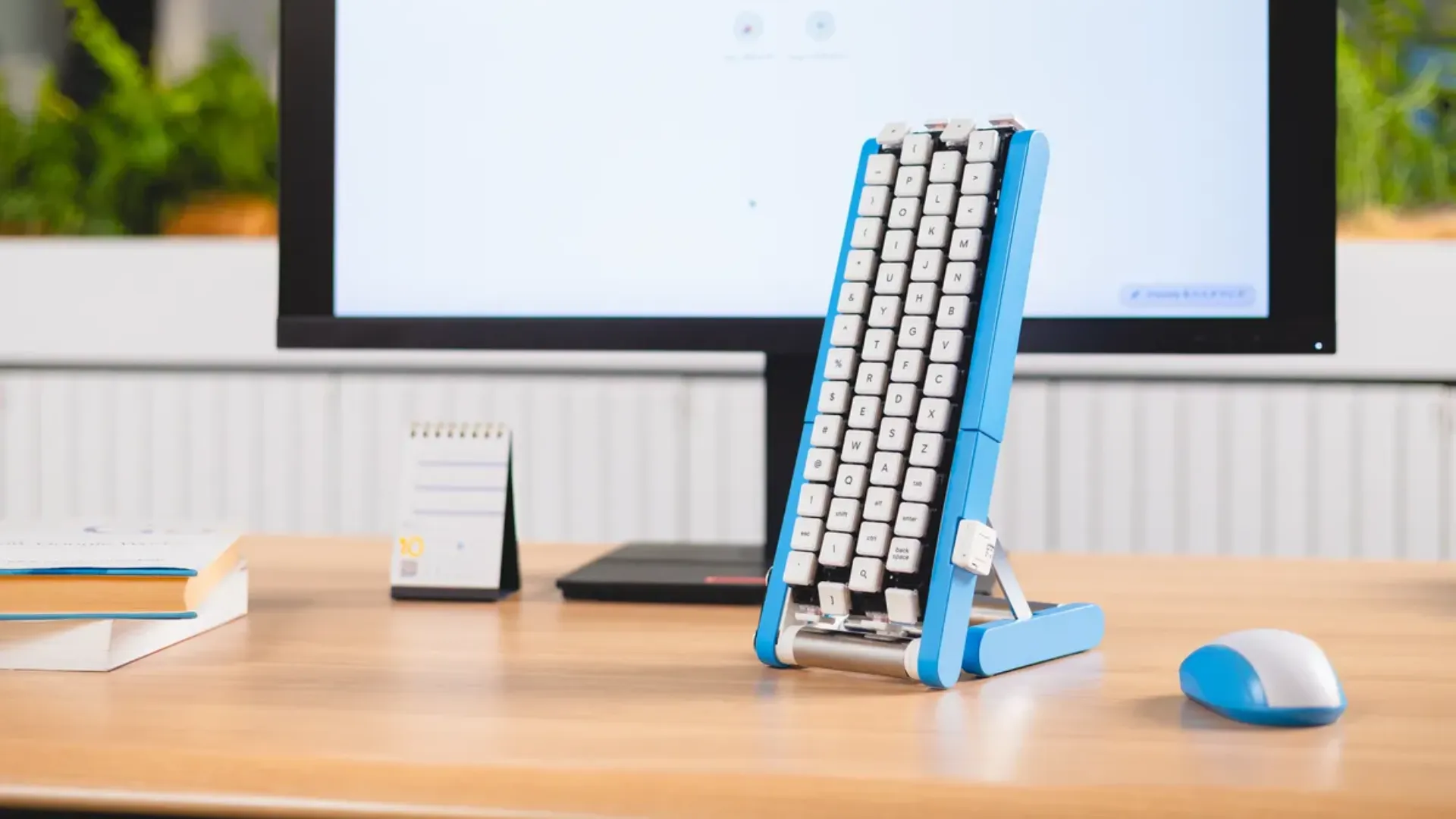
In a world of sleek, minimalist keyboards, Google Japan is proving that sometimes, the best way to make typing easier is to introduce delightful absurdity. The company has unveiled the Gboard Conveyor Belt Version, a device that ditches the traditional flat layout for a system where keys actually flow to your hand. Forget traditional pressing; this innovative design uses a conveyor belt system to move keys directly to your fingers, promising a dramatically less strenuous typing experience.
This isn’t just a gimmick; it’s a bold experiment in human-computer interaction. The system works by utilizing four separate belts, each holding 29 keys, which allows the keys to flow smoothly toward the user. For users typing with a single hand, this mechanic significantly reduces the need for extensive arm and finger movement, turning the act of input into a more fluid, almost effortless glide.
The novelty of this design fits perfectly into Google Japan’s annual tradition of releasing unique hardware every October 1st. This tradition has cultivated a playful reputation for hardware that challenges conventional design, leading to a history filled with delightfully bizarre peripherals.
Prior releases have ranged from the Gboard Dial Edition, which brought the nostalgic feel of 1960s rotary phones to the modern device, to the Double-Sided Gboard, designed to remain perfectly oriented regardless of user angle, and the Gboard bar version, which consolidated keys onto a single row for easier character finding. These earlier models were pure expressions of the software team’s desire to push the boundaries of physical design.
While many of these eccentric designs might not make the definitive lists for practical keyboards, they serve as wonderful artifacts of creativity. They exist more as unique display pieces than purely practical tools, celebrating the freedom of unconventional design.
The Gboard Conveyor Belt Version continues this trend by blending whimsical design with genuine engineering potential. For those interested in the mechanics behind this unique invention, the plans are not locked away. The schematics, KiCad layouts, PCB designs, and firmware source code are available directly on GitHub, allowing enthusiasts and designers to explore the technical blueprints and even build their own working copies.
This open-source approach ensures that the fun is not just for display, but for exploration. It invites the community to engage with the project, turn these eccentric concepts into tangible reality, and see how the future of typing might look when constraints are tossed out the window.
Buy on Amazon
Credit
