Googlebooks suffer the fate of Steam Machine
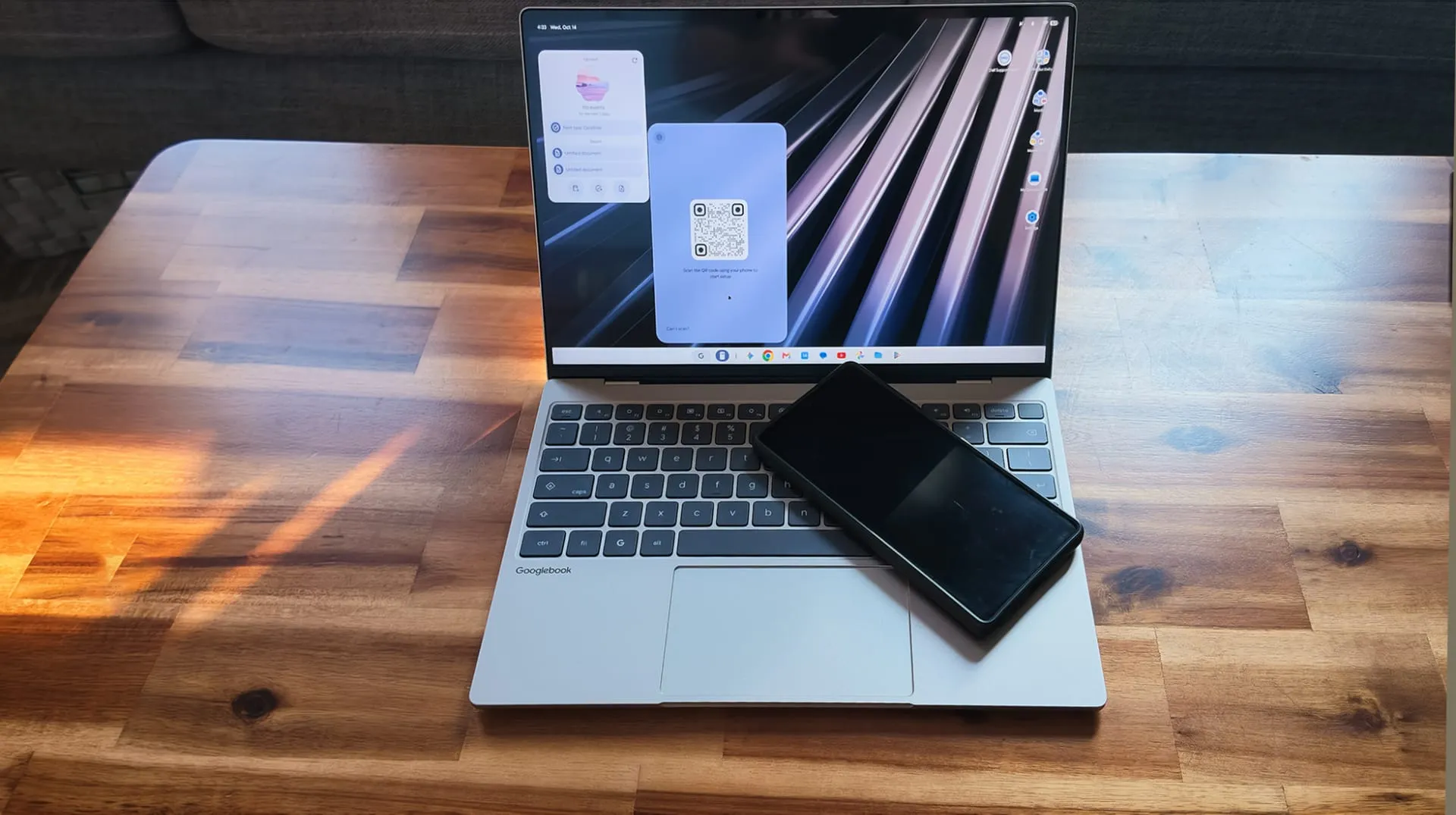
The laptop world is currently navigating a fascinating collision of high-powered ambition and harsh economic reality. While cutting-edge AI development demands more processing power, the consumer market is wrestling with crippling component costs and supply chain bottlenecks, creating a paradoxical environment for innovation.
The recent market shift has been largely catalyzed by the dramatic five-fold increase in RAM costs over the last year, driven primarily by the insatiable demand from AI hyperscalers. This escalating pressure has forced major players to rethink their hardware strategies. Microsoft, for instance, has made concessions, dropping its original 16GB requirement for AI PCs and pushing toward new 8GB Wildcat Lake options to keep devices affordable. Simultaneously, the pressure is visible elsewhere: while Apple continues to innovate, Windows partners are embracing lower-memory solutions, acknowledging the need to keep devices accessible.
This market tension extended beyond operating systems and into the realm of gaming hardware. When Valve delayed the launch of the Steam Machine, forcing a price increase that pushed it above $1,000, it temporarily negated the value proposition that made the Steam Deck such a massive success. This highlighted how quickly market forces can redefine a product’s perceived value when component shortages and costs take precedence.
Google is now attempting to re-enter the premium space with the Googlebook laptop platform, an AI-focused reimagining of its successful Chromebook lineage. Priced starting around $999, these new machines demand 16GB of RAM and compete with high-end models from Lenovo and Asus. Yet, Google’s previous success hinged on affordability, with many of its popular Chromebooks launching under $500. This transition—moving upmarket—feels jarring given the current climate.
The integration of this new platform relies heavily on ecosystem connectivity, specifically requiring an Android phone running a very recent version, which is not yet widely available. This requirement further complicates the user experience and ignores the reality of the Android phone market, where most devices remain budget-focused, reflecting the current economic squeeze.
Meanwhile, the high-end AI graphics sector, led by Nvidia, is also seeing unique pressures. While Nvidia’s RTX Spark laptops are available at premium price points, starting around $2,599 and climbing to $5,899 or even $6,999 for high-spec models, these devices target AI coders rather than the average consumer. Nvidia’s focus on the massive data center market has led to supply constraints for flagship GPUs, with reports suggesting a halt on the production of the RTX 5090 to prioritize AI hardware.
Ultimately, Google’s hardware division faces a unique dilemma: attempting to go upmarket and launch a new platform when overall PC shipments are already struggling and component costs are predicted to continue climbing. This launch is a testament to the desire for premium AI experiences, but it arrives at a moment when both Apple and Microsoft are offering competitive, sub-$700 alternatives, making the timing feel less than ideal for a high-end debut.
Buy on Amazon
Credit
