Grinding shapeless flesh revealed the lie of capitalism
We all chase productivity, don’t we? We strive for ultimate efficiency, subdividing our time into infinitesimal units, aiming to achieve the kind of efficiency only a stakhanovite would recognize. My personal philosophy has always been that every second must be utilized, every action accounted for, leaving no room for wasted motion.
This mindset, however, often clashes spectacularly with reality. While I spend my working hours staring at blank documents, wondering if I am a genius or just a moron, I also find myself mucking about with some extremely dedicated labour simulators. One such experience is Flesh Grinding.
This game isn’t just some lighthearted diversion; it’s a deep dive into the mechanics of industrial work—specifically, working with flesh. The gameplay loop is intensely focused: you must collect distended chunks of material, transport them to your grinders, and relentlessly process them until your fluid supply runs dry. Then, you must return home to upgrade yourself, using the meager blood you scrounged for improvements.
As you achieve new milestones, such as accumulating kilos of meat, entirely new machinery unlock, offering fresh, complex ways to manage the factory floor. The challenge shifts from simply running quickly to strategizing: figuring out the perfect sequence of operations, finding the optimal loop that minimizes every single moment spent on the factory floor. It’s a masterclass in time management, filtered through a distinctly gruesome lens.
The eerie appeal of Fleshgrinder lies in its ability to condense this intense experience into a sickly, yet strangely compelling, gameplay loop. It’s a labor simulator that manages to be both horrific and incredibly, morbidly satisfying.
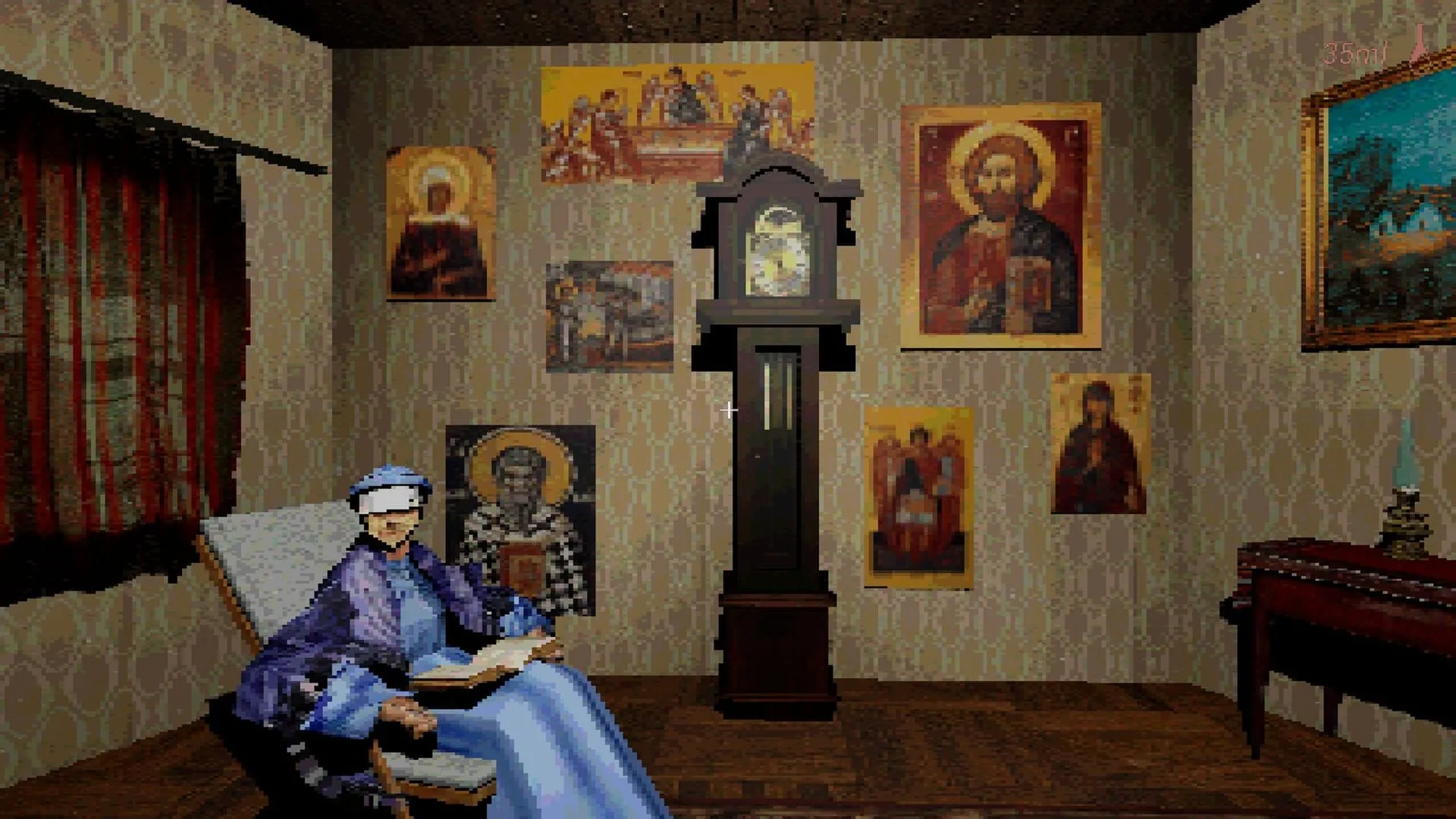
What truly makes the experience unsettling is not just the gore, the strange ethereal figures, or the religious icons that populate the environment. It’s the underlying realization that the trade we make for living is an exhausting one. We spend countless hours grinding, optimizing, and calculating, all in the desperate hope of maximizing the return on our time. It becomes a stark reflection of the psychic cost of that relentless grind.
We are essentially playing a cruel game with ourselves, constantly trying to compute how to be more efficient, how to squeeze more out of the inevitable wear on our bodies and minds. It’s a horrifying reminder of the exhausting cycle we have set for ourselves. And in that realization, perhaps, lies the true, deeply disturbing horror of the modern grind.
Buy on Amazon
Credit
