Groq engineers sue board over $20B Nvidia deal
The $20 Billion Question: When AI Hardware Meets Corporate Lawsuits
A massive legal battle is unfolding at the intersection of artificial intelligence and corporate finance, pitting former Groq employees against the company’s leadership and board. Two former engineers are suing Groq’s former board and CEO Jonathan Ross, alleging that the organization facilitated a landmark twenty-billion-dollar deal that effectively handed over Groq’s technology and workforce to Nvidia.
The lawsuit, filed in Delaware’s Court of Chancery, claims the transaction, which included a seventeen-billion-dollar license fee for backers and a separate three-billion-dollar Nvidia stock pool for the engineers who transferred, ignored potential upside and synergies for shareholders. The core contention is that the board failed to secure the best terms for investors and allowed key personnel to profit handsomely from the technology’s ascent.
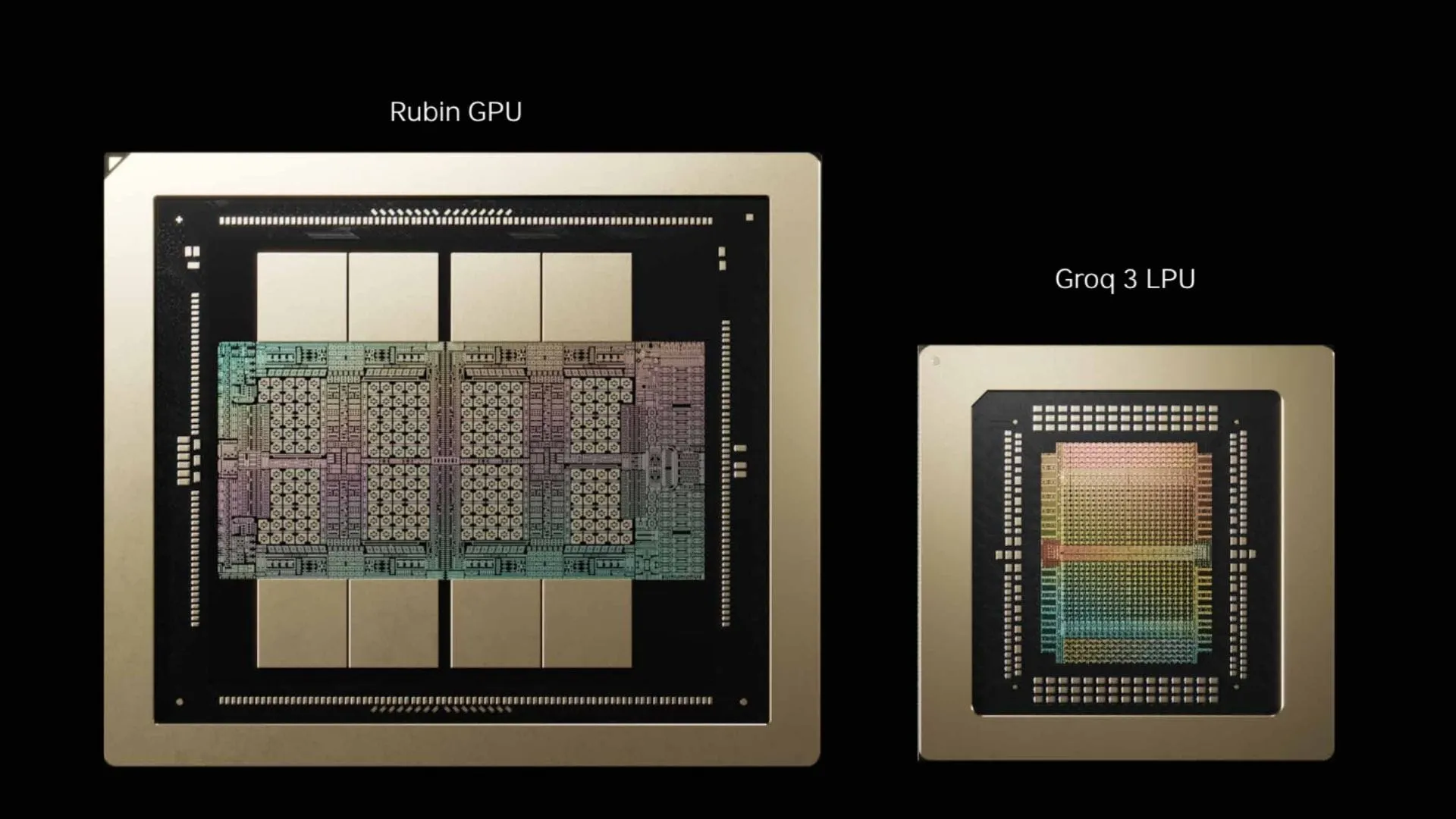
At the heart of the dispute is the highly advanced Groq LPU technology, which forms the foundation for next-generation AI processing. The transaction involved not just the people who built the technology, but the intellectual property itself. Nvidia booked fourteen-point-four billion dollars in goodwill, primarily attributed to the licensed workforce and future development, plus two-point-five billion dollars for the technology itself. This deal solidified Nvidia’s position in the AI hardware landscape.
The technology in question, the LPU, is built on Samsung’s 4nm process technology and boasts incredible performance metrics. The processor is engineered for high throughput, offering one hundred fifty terabytes per second of bandwidth and features up to one point two three floating-point PFLOPS. This hardware, which was being developed by Groq, is now being integrated into Nvidia’s larger roadmap, setting the stage for future AI infrastructure.
Despite the legal challenge, the technology itself is already seeing real-world deployment. Nvidia’s Groq 3 LPX architecture, built on this licensed foundation, is being deployed across data centers, demonstrating the practical application of the hardware. This collaboration highlights how specialized hardware innovation translates into massive corporate acquisitions and strategic partnerships.
Groq maintained that the deal delivered exceptional value for its employees and investors, asserting that it continued to operate as an independent entity while joining the Nvidia Cloud Partner program. However, the case remains an open legal question regarding the valuation, the terms of the transfer, and the accountability of the board.
Buy on Amazon
Credit
