GTA 6 stunt links to Miami Heat editors never heard of
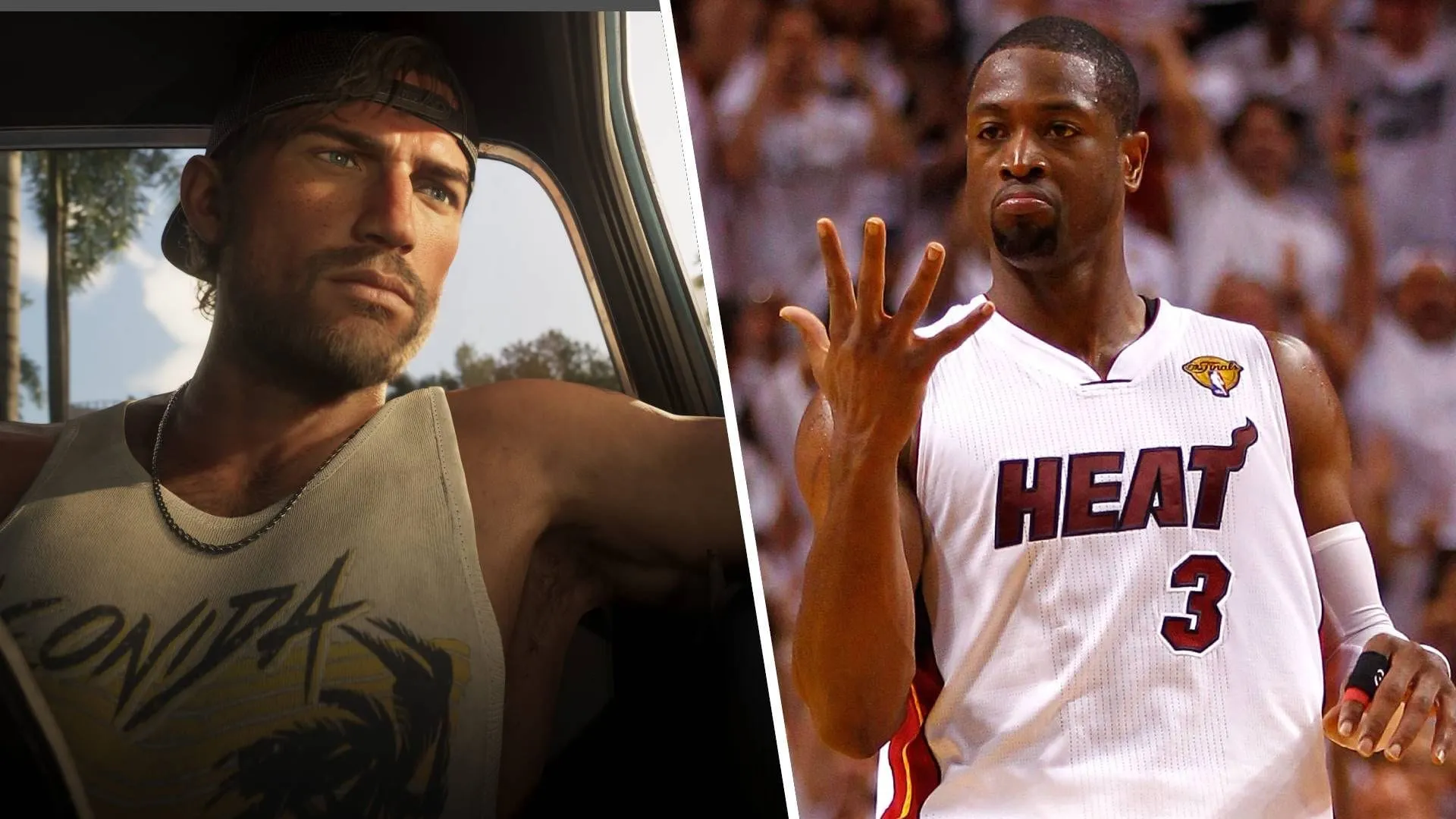
When global gaming giants collide with major sports franchises, the resulting marketing stunts often spark more debate than excitement. The recent cross-promotion between the Miami Heat and Rockstar Games, centered around the upcoming release of GTA 6, was no exception. The team temporarily rebranded, embracing a theme that aimed to pull in a wider audience, but the exercise quickly became a fascinating commentary on niche marketing, global recognition, and how easily we—especially those outside the sports sphere—can miss the mark.
The initial rollout, designed to be a flashy move, immediately drew skepticism. For some observers, the effort felt overly localized. One prominent voice noted that the stunt seemed excessively niche, questioning the marketing value of featuring a single local team, especially when compared to massive global media campaigns. The argument was simple: why focus on the Miami Heat when the cultural footprint of the NBA is already enormous?
This skepticism wasn’t just about branding; it quickly spiraled into a broader cultural observation. The discussion led to a surprisingly profound realization about the geography of fame. As the conversation unfolded, it became clear that the relative obscurity of the local team highlighted how little an audience understands the actual scope of American sports. One editor mused that the focus on a single local team made the entire endeavor feel narrow, asking pointedly, “Who the hell doesn’t know GTA is coming?”
The debate deepened when participants considered the wider context of American cultural hegemony. While discussing the Miami Heat, the conversation subtly shifted toward the wider sphere of American recognition—from the NBA to other cultural touchstones. This led to a wry observation that while the local team might feel niche, the larger context of American sports franchises operates on a completely different scale, emphasizing that the real story isn’t the single team, but the massive, interconnected network of global sports appeal.
Ultimately, the exchange turned into a humorous exercise in cultural relativity. Whether you are a dedicated sports fanatic or simply an observer, the exercise revealed a surprising lack of awareness regarding regional sports teams. This shared experience brought to light a collective realization: the marketing spectacle might be niche in its execution, but the underlying cultural weight of the global sports landscape is undeniably massive. It proved that recognizing the true scale of global appeal often requires looking beyond the local borders, finding that even the most localized events can resonate on a much larger, more interconnected level.
Buy on Amazon
Credit
