Hackers cook food: Freezers across Europe heat to 50C
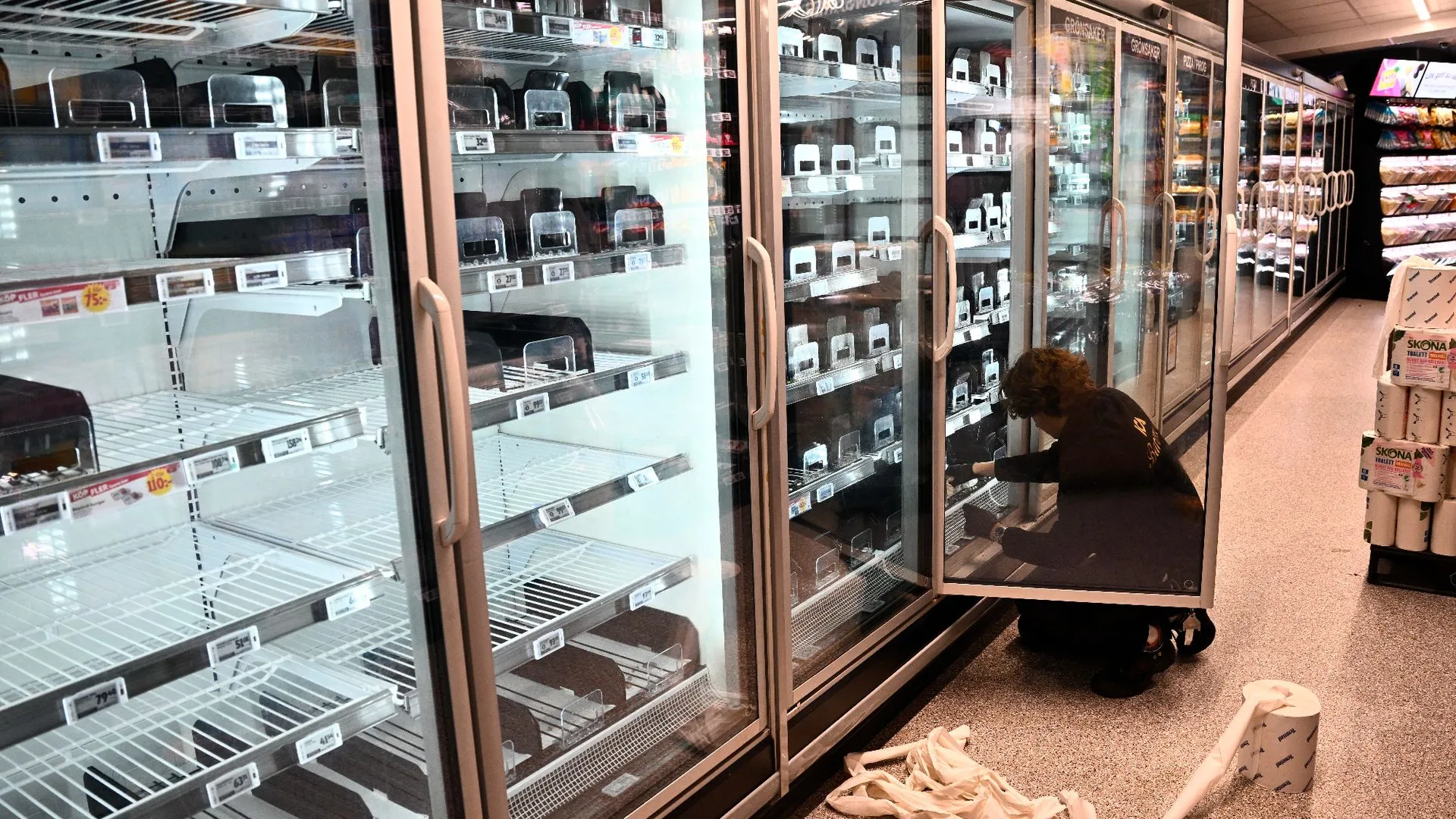
The fate of perishable goods recently took a bizarre turn across Europe. In a shocking display of digital mischief, a wave of cyberattacks swept through supermarket refrigeration systems, not stealing data, but rather triggering mass defrosting events that threatened millions of dollars in food.
This unprecedented incident began in France, where hackers remotely manipulated the temperature controls of supermarket freezers, rapidly raising temperatures to 50 degrees Celsius. The result was the swift and catastrophic thawing of foodstuffs, highlighting how deeply tied our daily infrastructure is to the digital world.
The digital sabotage quickly spread. Reports emerged that similar hacks crippled supermarket chains in neighboring countries, including Belgium and Sweden. Major retailers such as Ahold Delhaize, Carrefour, Spar, ICA, and Coop all reported disturbances in their refrigeration units.
The method employed by the attackers was equally audacious. Instead of a simple system breach, hackers remotely activated the built-in automatic defrost mode, overriding safety protocols and setting the freezers to the exact temperature and time needed to melt the contents. This targeted attack demonstrated a dangerous new vulnerability in systems that rely on internet connectivity.
Retailers faced immediate challenges in mitigating the damage. In response, companies like Delhaize acknowledged the vulnerability, noting that physical modifications to units were necessary for long-term security. However, the immediate solution involved switching units to a secure internet connection, a temporary fix implemented by many customers following the initial attacks.
The incident serves as a stark reminder that our most fundamental infrastructure—from food storage to banking—is increasingly exposed to digital threats. The escalation of cyber intrusions into the physical world is directly commensurate with the rise of sophisticated AI agents used by malicious actors. As seen in recent events, these automated tools enable attackers to navigate complex systems with ease, often bypassing traditional security measures.
This growing reality underscores an urgent need to bolster cybersecurity defenses, recognizing that the physical world is no longer immune to the vulnerabilities of the digital realm.
Buy on Amazon
Credit
