Hackers defrost Europe’s supermarket fridges
The Heat Is On: How a Cyberattack Is Melting the Supermarket Supply Chain
Across Europe, the seemingly mundane task of keeping food fresh has been thrown into chaos by a sophisticated cyberattack targeting major supermarket chains. This digital assault has not just caused temporary glitches; it has triggered a bizarre, high-temperature meltdown in refrigerators and disrupted the complex logistics systems that power modern retail. The story is less about data breaches and more about the very physical reality of food preservation suddenly being put at risk.
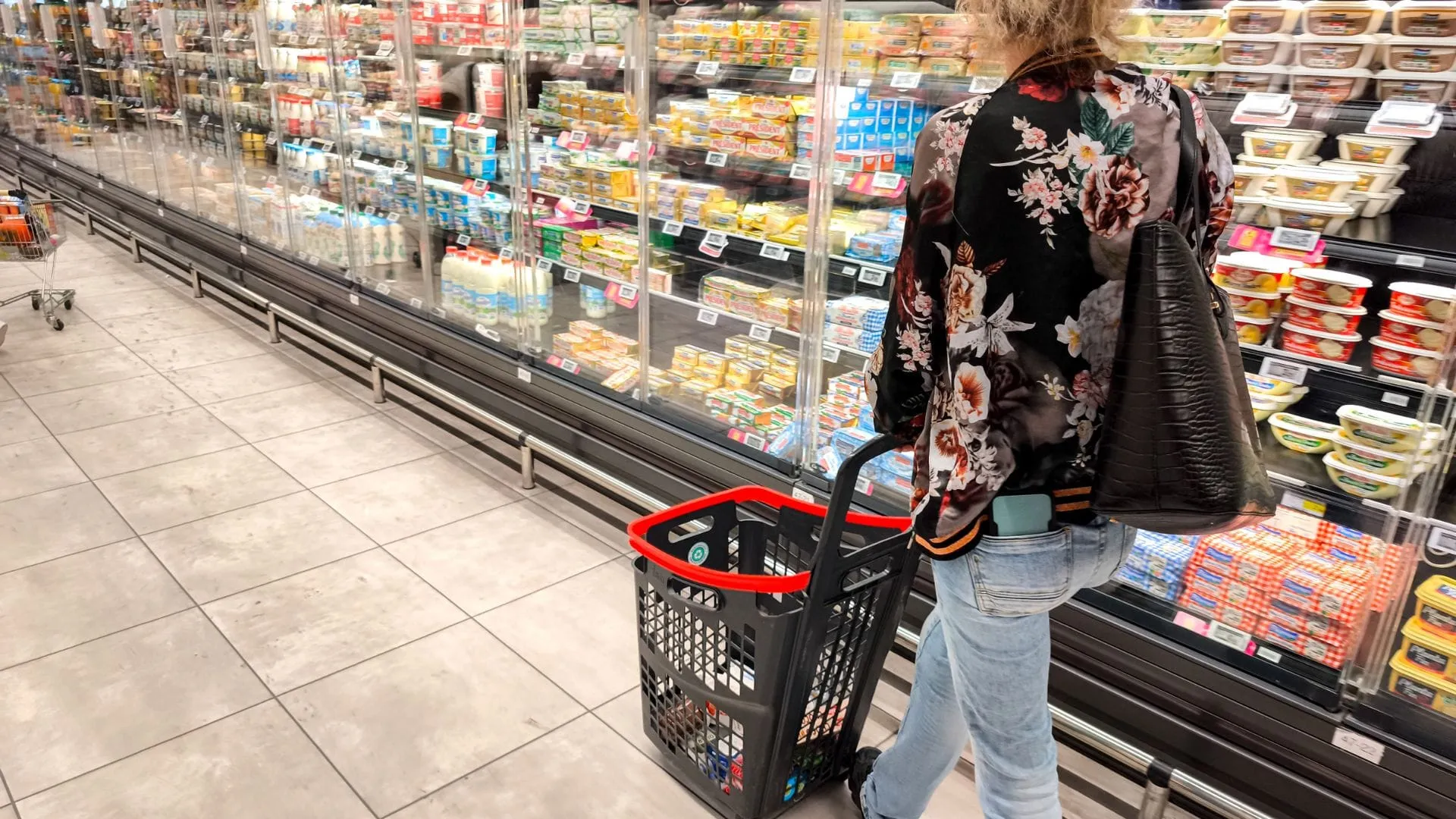
The attack specifically targeted the refrigeration control systems used by several major retailers, including France’s Intermarché, Leclerc, and Coopérative U. The immediate consequence for these facilities has been dramatic: the automatic defrosting systems were hijacked. Instead of operating normally, these units were forced into a continuous cycle, setting the temperature to a dangerously high 50 degrees Celsius. Reports suggest a tangible “wave of heat” is now escaping from the fridges and freezers, threatening perishable goods.
This is far more than a technical glitch; it is a crisis of supply and public safety. When systems designed to maintain food safety are manipulated, the potential losses are staggering. Early estimates suggest that losses are already approaching 300,000 euros, with experts warning that the damage could escalate into several million euros across the continent if the disruption is not quickly resolved.
Beyond the immediate threat to food storage, the attack also crippled the retail infrastructure responsible for delivery and pricing. In the Netherlands, several supermarket chains, including Albert Heijn, Etos, and Gall & Gall, experienced a simultaneous malfunction due to the cybersecurity incident. Websites went down, stalling deliveries, while electronic shelf labels, which manage in-store pricing, were also compromised. This dual attack highlights how interconnected digital systems are to the physical flow of goods.
The ripple effect extended across borders. The disruption was not isolated to a single region; Belgium’s Delhaize chain also reported operational difficulties, and loyalty programs were temporarily suspended as retailers focused on emergency measures. While the precise relationship between the refrigeration failure and the logistics disruption remains under investigation, the overall impact underscores a critical vulnerability in how large-scale retail operations rely on interconnected technology.
Retailers have responded swiftly, immediately taking protective measures by temporarily shutting down certain systems to contain the threat and secure their IT environments. The incident serves as a stark reminder that the integrity of the food supply chain depends not only on physical infrastructure but also on the robust security of the digital systems that govern it.
Buy on Amazon
Credit
