Hackers extract 1.6 million images from stolen Flock cameras in 21 days
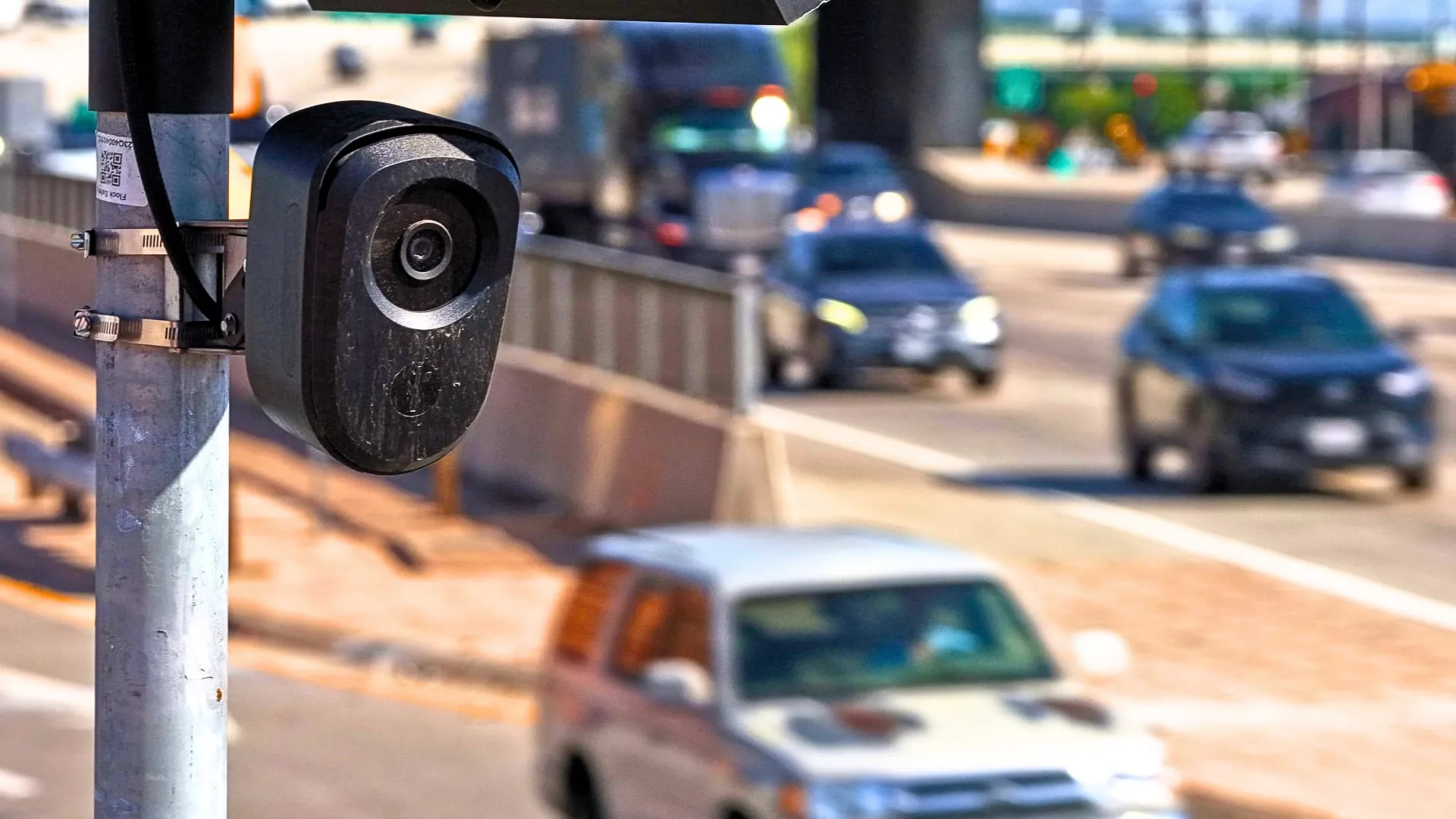
The promise of smart city surveillance often comes bundled with an unspoken concern about privacy. Flock cameras, deployed across roadways and public spaces, were sold as a solution to enhance safety, but a recent investigation has unearthed complex vulnerabilities and serious ethical questions about how this sophisticated technology is deployed and utilized.
Flock asserts that its camera systems are protected by on-device encryption. The company maintains that physical access is still required to exploit any potential flaws, and that images are only briefly retained on the device before being forwarded to the cloud. However, this narrative of impenetrable security faced a serious challenge when a hacking group discovered ways to access the system’s underlying structure.
The intrusion revealed that while the core data remained secure, the software contained exploitable pathways. By examining a camera positioned over a roadway, the group stegan0gram managed to access the Android operating system and identify two storage partitions: vendor and media. Crucially, the media partition contained an encryption key that successfully unlocked another partition, revealing all the stored media files from the camera.
This single camera provided a staggering amount of data: approximately 1.6 million images were captured over 21 days, along with 27,321 short video clips, each lasting only a second or two. The system’s internal capabilities also included edge AI functions designed to detect people, vehicles, bicycles, and license plate-like shapes, which were cropped and sent to the company servers alongside the original images.
The implications of this data collection extend far beyond the technical breach. The technology, designed for passive monitoring, has become entangled in real-world controversies regarding privacy and misuse. Several police officers have faced legal issues for using the system to track romantic partners, and other incidents have arisen over mistaken tracking, such as one involving a car reviewer and an unnecessary police ambush.
These real-world applications have sparked a public backlash. Consequently, some towns and cities have terminated contracts with Flock, and members of the public are taking proactive measures, such as 3D printing devices designed to blind the controversial cameras installed on streetlights and traffic poles.
When facing the deployment of pervasive surveillance, the debate shifts to responsibility. Some critics argue that those opposed to these systems should refrain from sabotaging the devices, suggesting that such vigilantism only serves to solidify the state’s belief that surveillance tools are necessary. As former police officer Noel Pichardo noted, ignoring public concerns will only ensure that the police and the state crystallize their belief that this tool is essential.
Buy on Amazon
Credit
