Hacking Nvidia GPUs to remove the AI throttle
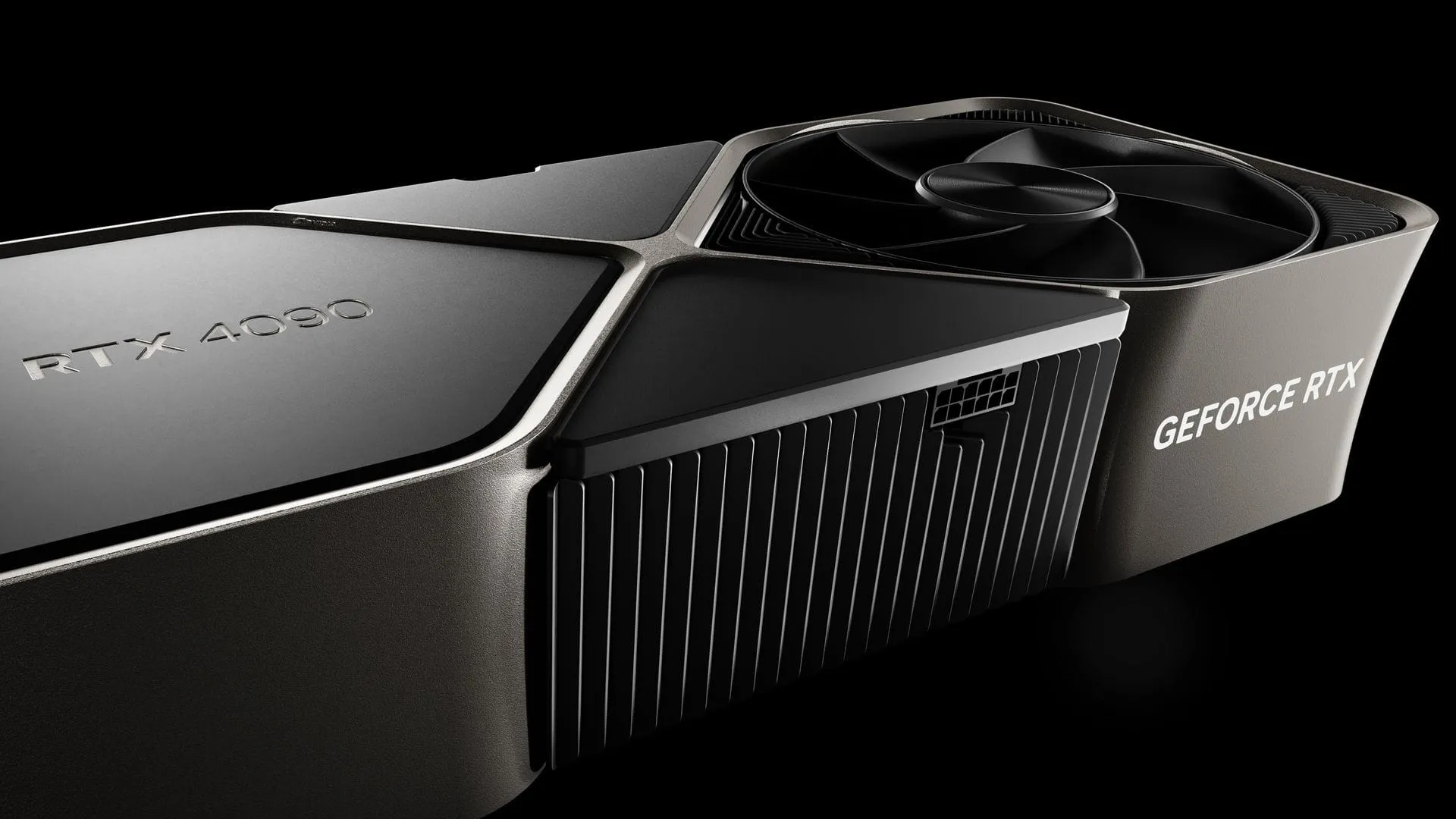
Unlocking the GPU Superpower: Modders Bypass Nvidia’s AI Speed Limits
For years, high-end Nvidia GPUs, including the powerful RTX 20, 30, and 40 series, operated under an imposed performance ceiling. This limitation restricted how much tensor rate and matrix math the cards could actually deliver, creating a frustrating bottleneck for developers and AI enthusiasts looking to push the boundaries of deep learning and image generation.
Recently, a team of modders has managed to crack this restriction, discovering a firmware exploit that allows users to bypass these limitations. The result? A significant boost in raw computational performance, potentially doubling tensor throughput on cards like the RTX 4090 and dramatically accelerating complex matrix calculations.
The core issue stemmed from Nvidia’s own specifications, which limited FP32-accumulate math to only half of the FP16-accumulate rate across these generations. While this was done to manage performance, it meant that the full potential of the hardware was being left untapped.
By unlocking these hidden settings, users gain direct access to the native matrix-math throughput of their cards, which directly translates to faster prompt processing and accelerated image generation. The potential gains are substantial; for instance, benchmarks suggest improvements ranging from 12% to over 80% in matrix-multiply performance depending on the specific card and configuration.
The breakthrough is achieved through several independent projects, each tackling different GPU generations with custom Linux modules and experimental Windows builds. Projects like gpu-unlock and gpu-unlock-ada have developed distinct methods for achieving this performance unlock, demonstrating the power of open-source innovation in the hardware space.
The performance gains are not uniform across the board, depending heavily on the GPU architecture and the specific benchmark. While some tests show massive leaps, others indicate that factors like power limits can play a role in the final outcome. For example, some users have reported gains of up to 80% in matrix-multiply tests, while others have seen increases in the range of 25% to 67% for BF16 calculations.
This development highlights a fascinating dynamic: while proprietary limitations exist, the community is actively finding ways to reclaim the full computational power of their hardware. However, navigating this new territory requires caution. The exploit involves manipulating low-level firmware, and the developers caution that while the goal is performance, risks remain regarding potential hardware damage or system instability.
The current efforts are focused on making these unlocks safer and more stable, with ongoing work being done to verify compatibility across different series, ensuring that enthusiasts can safely explore the full potential of their powerful AI hardware.
Buy on Amazon
Credit
