Hale & Meer mourn BioWare ownership insight
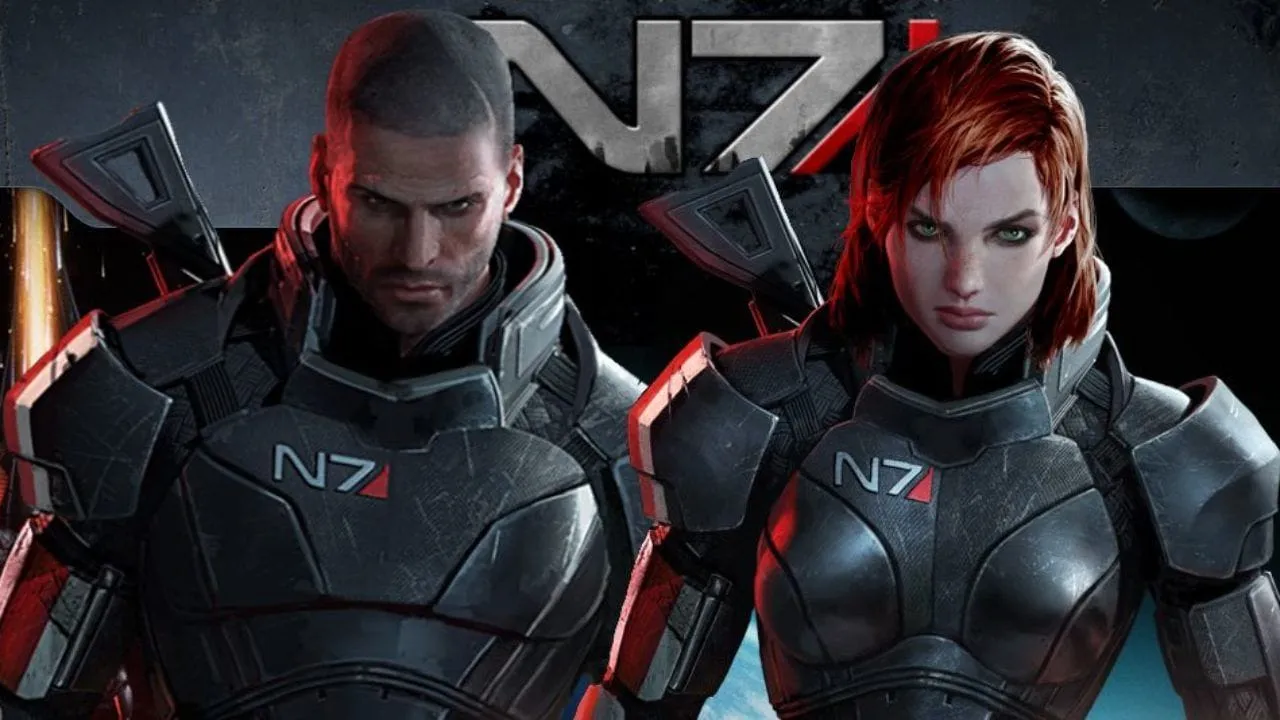
The ghosts of epic space operas are speaking. Veteran voice actors Jennifer Hale and Mark Meer recently opened up to fans, reflecting not just on their legendary roles in the Mass Effect saga, but on the heartbreaking fate of the studio that brought those worlds to life: BioWare.
During a recent Instagram Live session, the two titans of voice acting addressed the community, sharing a candid look at the industry’s current struggles and commiserating over the trajectory of their beloved franchise. Their reactions were a powerful reminder of what audiences truly cherish: the collective joy and profound meaning that creative endeavors can bring.
Hale, known for her work across the realm of video game voices, spoke about the challenges facing game development and the current economic landscape. Meer, who has a deep background in theater and improvisation, focused on the tangible impact of these challenges on the cities and communities they call home.
Both actors pointed toward a fundamental truth: the value of BioWare’s creative output is undeniable. They underscored that the sense of community and artistic legacy built by the studio is something that should not be discarded simply because of financial pressures.
When discussing the future of intellectual property, Hale maintained an optimistic outlook regarding the franchise’s potential, invoking the spirit of creative advocacy. She suggested that while crowdfunding efforts exist, major IP development often requires substantial, traditional investment to reach the necessary scale.
The broader conversation shifted to the mechanisms of power within the gaming industry. They noted that the pursuit of profit, particularly through private equity acquisitions, often overshadows artistic integrity. They questioned why the collective joy found in games is treated as merely a commodity, especially when successful projects like Pillars of Eternity and Wasteland 2 still require further investment to achieve true financial independence.
Looking back at history provided stark context for their concerns. They pointed to the often-neglected legacy of foundational franchises, noting that past poor stewardship by large corporations allowed landmark series, such as the foundational work of the Ultimate Alliance, to fade from collective memory.
Ultimately, the conversation evolved into a powerful appeal for intervention. The actors pondered who has the power to steer the course of major creative enterprises. They suggested that the responsibility to save these legacies rests with those who possess the means—be it powerful state institutions or extraordinarily wealthy figures.
While the prospect of nationalization felt like a distant pipe dream, the actors seemed to gravitate toward a more whimsical, yet effective, solution. They mused on the idea of a benevolent, eccentric benefactor stepping in to save the day, someone unburdened by purely profit-driven calculations.
The message delivered by Hale and Meer remains a resonant call: that the true value of gaming lies not just in the balance sheets, but in the enduring stories and worlds that creators build. It is a reminder that history and art deserve protection, regardless of the financial winds blowing through the industry.
Buy on Amazon
Credit
