Halo’s fall inspires hope with Activision’s takeover
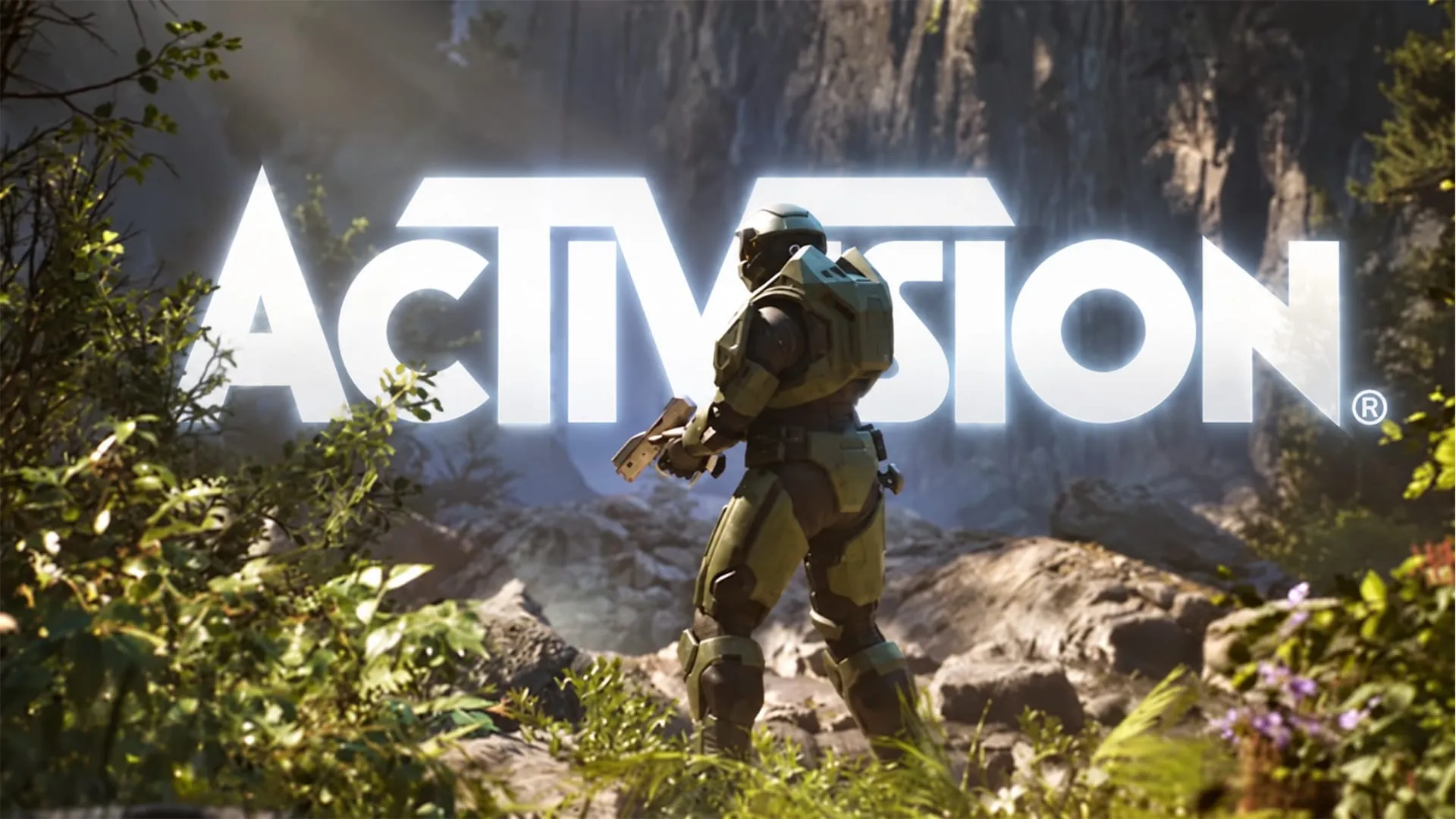
The gaming landscape just experienced a significant shakeup, as the Halo franchise and its development studio, Halo Studios, have undergone a major organizational transition. The news involves substantial workforce reductions, with the franchise being folded under the umbrella of Activision, prompting a serious conversation about the future direction of one of gaming’s most beloved series.
While the immediate impact is felt by the employees affected—more than two hundred people are now out of work—the conversation quickly shifts to the creative core of the franchise. For many long-time fans, this move is a painful reminder of the challenges faced by the studio in capturing the unique magic of Halo across its history. The narrative surrounding the franchise, especially concerning its execution in recent titles, has been a point of contention.
There is an ongoing debate about accountability. Critics point out that the development of the franchise, particularly the first major entry, Halo: Campaign Evolved, faced issues related to outsourcing and pacing that arguably hampered the experience for fans. Questions arose about where the responsibility lies for the narrative quality and overall execution of the games that have defined the Halo experience over the last fifteen years.
Looking ahead, the focus shifts to what the future holds. Some observers wonder if the move to Activision is the right strategic decision for the franchise. While concerns exist about the direction of the larger company, the sheer operational scale of Activision provides a compelling argument for stability. This is particularly relevant given the past struggles of Halo Studios in managing large-scale projects.
Halo’s history has seen shifts in creative direction, from the grand scope of the original games to the attempted reinventions like Halo Infinite. Fans have expressed a desire for a cohesive, fully realized experience—a game that offers deep campaign scoring, robust co-op modes, and a complete multiplayer suite that feels integrated from day one. The desire is less for another massive reinvention, and more for consistency and fulfillment of those long-held creative ambitions.
The next phase of development hinges on finding a creative team that can harmonize the franchise’s legacy with modern expectations. Reports indicate that a completely new team is being formed to lead Halo projects, a move that carries significant potential. There is hope that this new leadership can leverage the existing infrastructure and bring in familiar creative forces, such as Marcus Lehto, who has expressed a strong desire to contribute to the franchise’s future.
This organizational shift could offer a unique advantage. By integrating Halo into a structure capable of handling massive, annual releases—like those seen in the Call of Duty ecosystem—the franchise might finally achieve the development stability it has long sought. This structure allows for the possibility of focusing on the core elements that make Halo special, rather than being dictated by the demands of a single, monolithic vision.
Ultimately, the future of Halo depends on building upon its legacy while addressing the creative gaps that have existed. The opportunity now is to leverage the vast resources available to ensure that the next chapter of the Halo saga delivers a cohesive, deeply satisfying experience that honors its history and excites its dedicated fanbase.
Buy on Amazon
Credit
