Hands-on with IdeaPad Vibe vs MacBook Neo
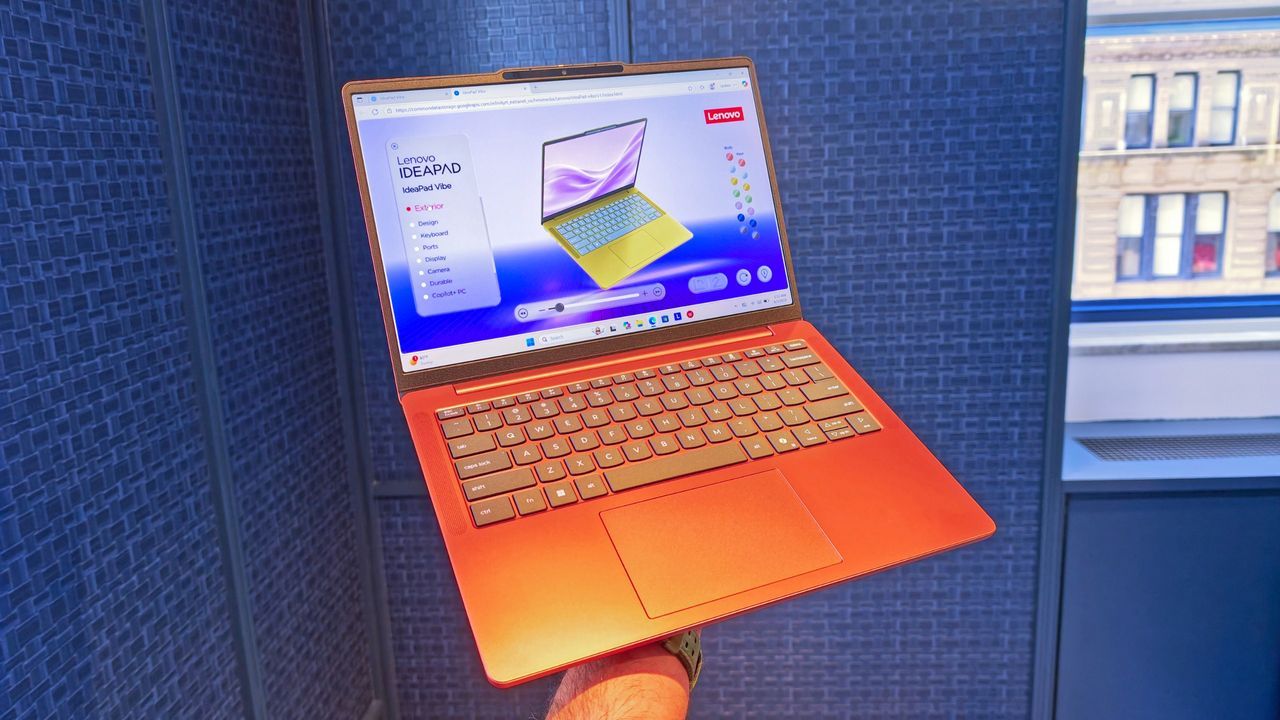
The battle for the mainstream laptop market is heating up, and this time, the fight isn’t just about processing power or battery life—it’s about personality. While competitors are still debating shades of gray, a new contender is offering a radical departure, challenging the industry to stop treating color as an afterthought and start making it the main event.
Lenovo is stepping into this fray with the IdeaPad Vibe lineup, a collection of laptops designed not just to be functional, but to be expressive. What immediately sets this new lineup apart is the deep level of customization available, transforming the experience from a simple purchase into a creative endeavor.
The hardware is infused with flair, offering users seven Pantone-developed colors, including Chill Blue, Zen Green, Spicy Gold, Radiant Coral, Dreamy Violet, Lowkey Grey, and Moody Blue. This isn’t just surface decoration; the colors are curated to reflect different moods and lifestyles, allowing users to truly express their individuality.
But the personalization doesn’t stop at the chassis. Lenovo allows users to mix and match not only the shell colors but also the keyboard colors, and they have introduced swappable custom keycaps. The result is a configurator demo that feels less like ordering a machine and more like building a custom character in a video game, giving users unprecedented control over their final product.
Beyond the aesthetic appeal, the IdeaPad Vibe manages to package serious performance under the hood. Available in both 14-inch and 15-inch sizes, the base model starts at just 1.3kg (2.87 pounds). Users have the choice between premium OLED displays offering up to 100% DCI-P3 color coverage, or high-refresh-rate IPS panels up to 120Hz.
The functional specifications are equally robust. The laptops feature practical necessities like dual SSD slots, Wi-Fi 7 connectivity, a suite of ports including USB-A, USB-C, and HDMI, a microSD card reader, and a 5MP IR webcam complete with a privacy shutter. This attention to practical detail ensures that the personalization doesn’t come at the expense of utility.
When it comes to the engine, Lenovo offers a compelling choice for the modern user. Buyers can select between AMD Ryzen AI 400 series configurations and Qualcomm Snapdragon X models, with Intel-based versions slated for a later release. The AMD options offer flexibility, supporting memory upgrades up to 32GB and optional battery configurations, appealing to enthusiasts who demand control.
The Snapdragon X options lean into the efficiency of the mobile ecosystem, delivering excellent everyday performance and industry-leading battery life—a combination that many find particularly appealing for a lightweight, Copilot+ PC experience. Whether you lean toward the flexibility of AMD or the efficiency of Qualcomm, the system is built for performance.
Ultimately, the success of the IdeaPad Vibe lies in its cohesion. It doesn’t position itself as a niche accessory; it positions itself as a mainstream Windows laptop that finally understands that technology can be personal, and that making your machine reflect your personality is just as important as its specifications.
Buy on Amazon
Credit
