Haystack Slop is the New Trend After Steam Week
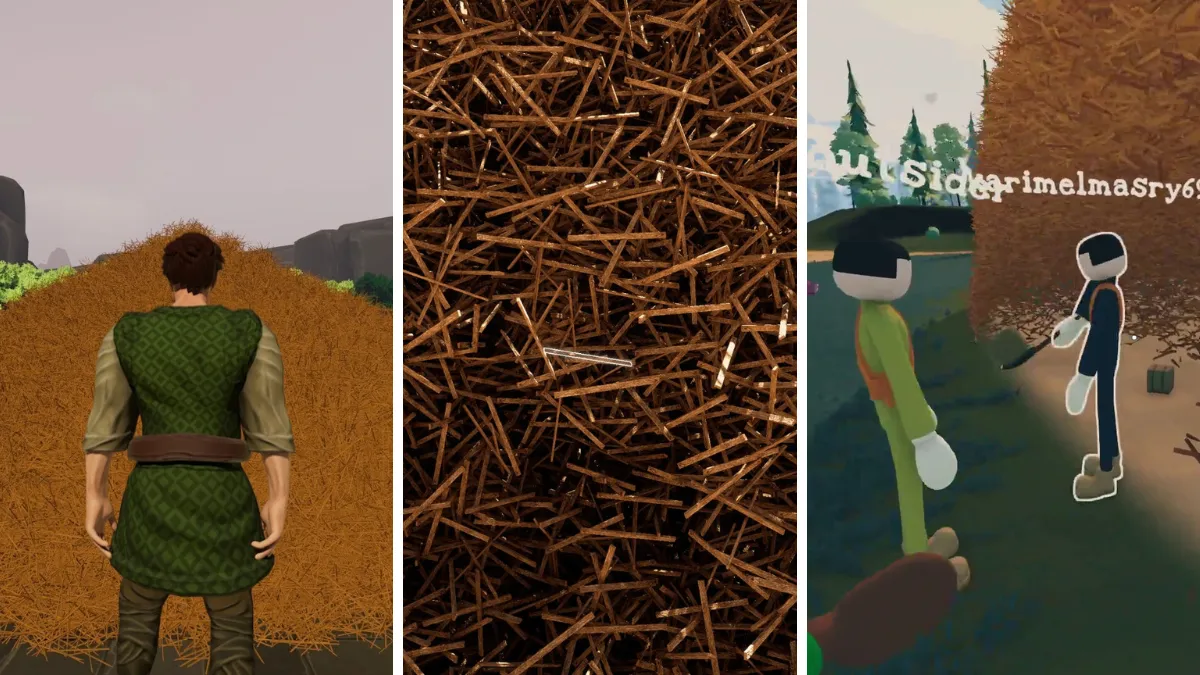
In the ever-evolving landscape of Steam, where creativity often brushes up against pure market mechanics, a bizarre trend is emerging: the reign of the pointless. Games about meaningless labor, seemingly designed for maximum tedium, are finding a surprisingly devoted audience, manifesting in a recent surge of “haystack” games.
The phenomenon is rooted in the market’s appetite for incremental gameplay. Games like sorting games and those focused on repetitive tasks prove that players are ready to engage with systems that reward meticulous, if utterly mundane, effort. This trend is perhaps best exemplified by the recent buzz surrounding Needle In A Haystack Simulator.
The initial interest in this particular simulation was startling. A playtest in August alone attracted around 23,000 players, demonstrating a significant appetite for games centered around finding a needle in a haystack. The core mechanic involves manually sifting through hay, but the fun escalates when players realize they can sort items for profit, encouraging investment into more efficient sorting technology. It sounds painfully tedious, but the market for this kind of digital drudgery is undeniably robust.
This trend is not confined to one title. The influx of these shovelware experiences has sparked an immediate flood of imitators, leading to a veritable cascade of “haystack” games vying for attention. Titles like Needle In A Haystack – A Time For Goats and A Needle In A Haystack: Sorting Game have already emerged, along with spin-offs like Story of The Needle In a Haystack and the competitive CO-OP Needle Hunt: A Needle in a Haystack Challenge.
The rapid proliferation of these clones highlights a crucial point about virality in the indie space: if a game captures attention, the temptation for others to mimic the formula for potential profit is immense. While the original creator of the simulator, Nas, offered an apology for the “slop” phenomenon, noting they were aware of the sudden wave, the game world has quickly diversified, introducing experimental features like first-person shooter endgames to differentiate itself from its competitors.
Meanwhile, the broader Steam ecosystem continues its relentless churn. The platform’s top performers remain dominated by heavy hitters like Wardogs, which has sold three million copies since its launch, and the football giants EA Sports FC 27 and Counter-Strike 2. Even in the deep cuts, titles like Slow Roads offer a different kind of relaxation, proving that whether a game is deeply tedious or purely zen, players are always searching for something to occupy their time.
The takeaway is clear: the modern gaming market rewards both the deeply niche and the ridiculously repetitive. Whether you are chasing the perfect needle in the haystack or simply enjoying a chill drive on procedurally generated roads, the demand for digital experiences, no matter how absurd, continues to surge.
Buy on Amazon
Credit
