Hellraiser Revival: Visuals of Pain
Clive Barker’s Hellraiser: Revival Delivers Gore, But Struggles with Action
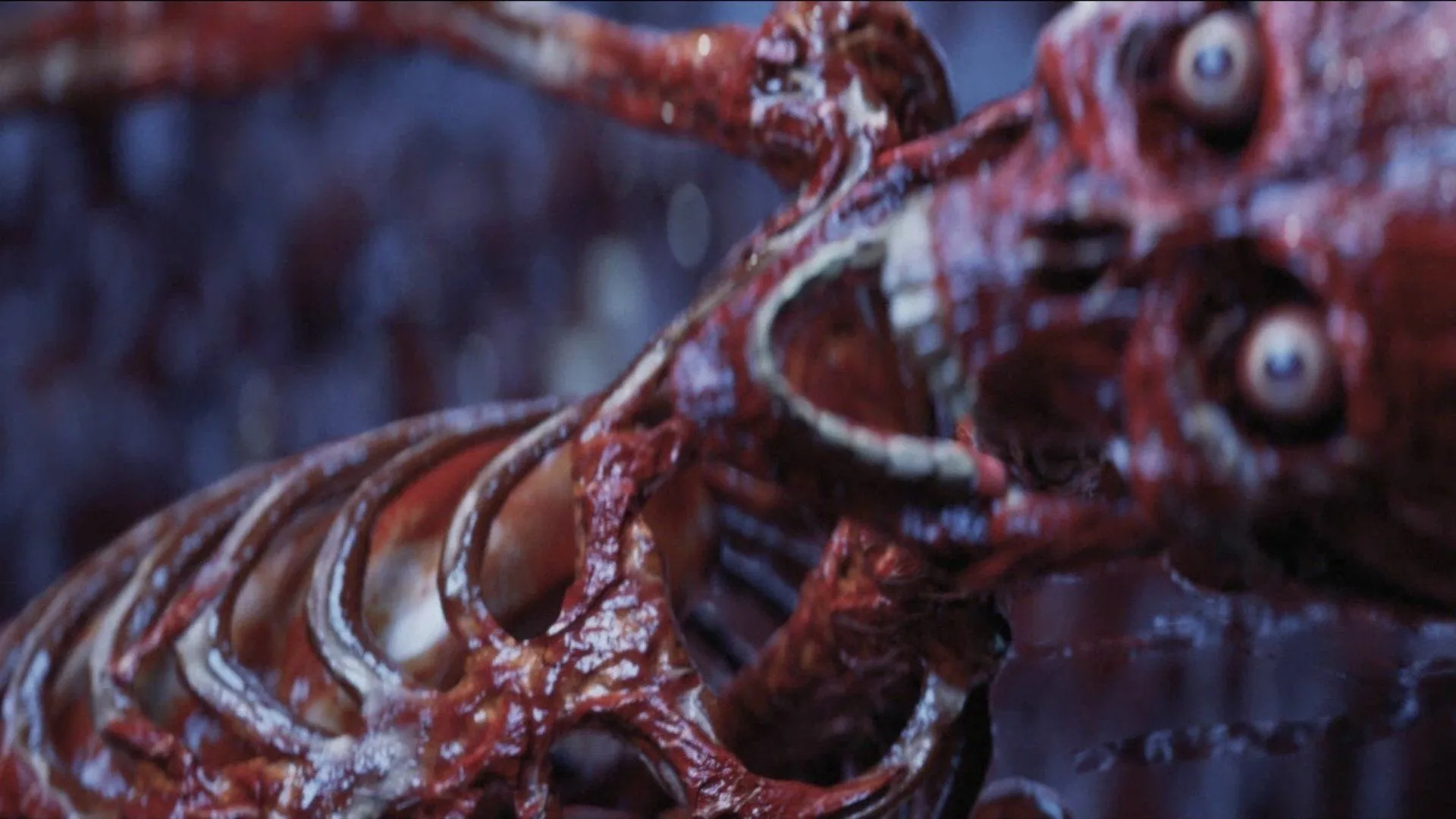
When you step into the realm of body horror, you expect visceral thrills. That’s exactly what Clive Barker’s Hellraiser: Revival delivers in terms of visual spectacle. Featuring grotesque monsters and unflinching gore, the game is undeniably a feast for the eyes, setting a high bar for atmosphere and aesthetic design. Yet, beneath the slick surfaces of blood and sinew, the core gameplay experience offers a more complicated, sometimes frustrating, narrative.
The game’s visual design is, without question, top-tier. The monstrous creations are brilliantly realized, offering a truly unsettling experience that leaves a lasting impression. However, this aesthetic brilliance often clashes with the mechanics designed to propel the player through the labyrinthine setting. While the body horror elements are fantastic, the action sequences and puzzle design introduce inconsistencies that pull the player out of the deep, horrifying immersion.
Action in Hellraiser: Revival feels notably inconsistent. Players navigate fights where their actions often seem to matter less than the carefully scripted cinematic moments. For instance, epic confrontations, such as the final encounter with the stake-wielding monster, often boil down to repetitive sequences where the outcome is predetermined. This lack of dynamic, consequential combat makes the thrill of the chase feel less earned.
While the puzzles themselves offered a rewarding challenge, the method of interaction often felt more intuitive than engaging. Tools like the genesis configuration box, which allows for telekinetic manipulation, proved satisfying when solving environmental conundrums. However, the reliance on standard firearm combat often dominated the action, diminishing the potential of the game’s unique mechanics.
The horror element, while visually compelling, doesn’t always translate into genuine dread. Jumpscares, intended to elicit fear, frequently felt predictable, revealing themselves as mere theatrical gestures rather than true scares. The monsters, despite their gruesome appearance, often felt less menacing than the atmospheric dread established by the environment, leading to a somewhat numb reaction to the scares.
Ultimately, the game feels like a great aesthetic package struggling with uneven execution. It excels in its grotesque artistry, providing memorable and awful imagery. But when measured against the titans of the action horror genre—like Resident Evil 4 or The Last of Us—the gameplay struggles to deliver the massive satisfaction its setting implies. The narrative goals feel secondary to the spectacle, leaving the player with a visual masterpiece that remains slightly underwhelming in its interactive execution.
Buy on Amazon
Credit
