How I purged a lunatic ruler in Crusader Kings 3
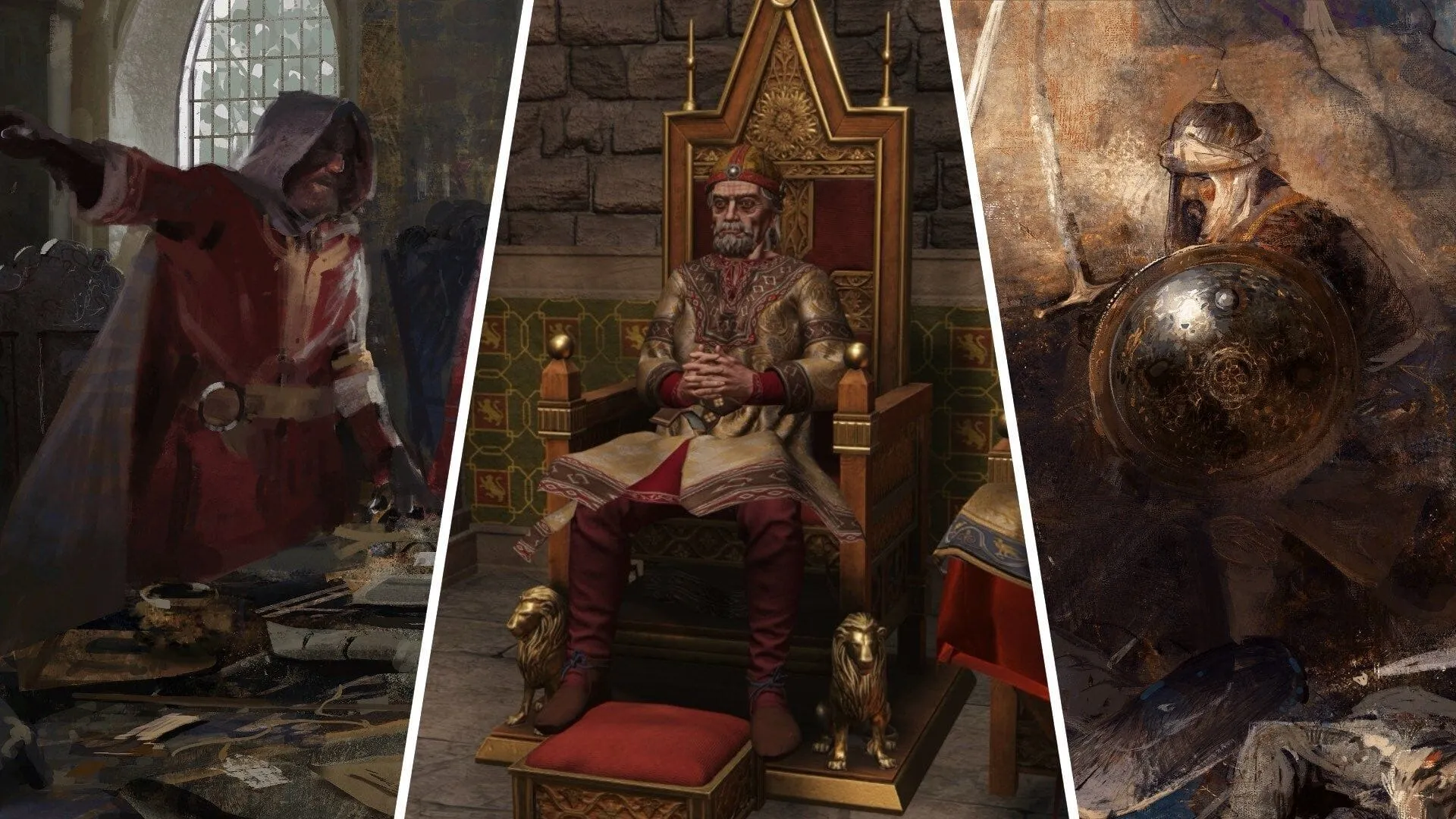
The world is currently buzzing with election fever, yet some find the most efficient way to understand the mechanisms of power isn’t through polling data, but through simulation. For some, the best political education comes from diving into the complex, chaotic worlds of strategy games, turning digital mechanics into a high-stakes laboratory for real-world politics.
One approach involves using deep simulation games to practice the art of regime change. By stepping into a historical context—perhaps a 11th-century Holy Roman Empire—players can test theories on how leaders are removed and how power flows. The goal isn’t just to win an election, but to understand the vulnerabilities of centralized authority, using the game as a tool to ascertain the most effective political strategies.
In one such simulation, the challenge was to overturn a deeply entrenched leader. This required more than just military might; it demanded a nuanced understanding of human nature and the subtle art of influence. Initially, the strategy focused on the soft power approach: cultivating flattery and offering gifts to powerful vassals. It seemed a surprisingly effective way to manage resistance, suggesting that sometimes the path to power is paved with niceness.
However, relying on diplomacy proved insufficient. When direct influence failed, the simulation quickly escalated into a clash of armies. The pivot shifted from subtle manipulation to outright conflict, testing the brutal reality of war as a means of political execution. This process revealed a stark lesson: the tender feelings of powerful people are rarely a reliable source of political salvation; they are far more likely to pursue their own interests, often to the detriment of those around them.
The true test of strategy, however, came not from political maneuvering, but from the unpredictable chaos of life itself. Even the most carefully laid plans can be derailed by forces entirely outside the realm of governance. In one scenario, a devastating plague swept through the realm, affecting not just the leader but his entire family. This unforeseen catastrophe introduced an element of sheer, brutal randomness that superseded all political calculation.
Amidst the fear of biological ruin, the focus shifted to personal survival and management. Amidst the spread of disease, the goal became securing relief and stability, even as the political landscape fractured around you. The experience underscored a profound truth: political outcomes are rarely clean or predictable, especially when biological and personal tragedies are introduced into the equation.
Ultimately, the story of power, whether played out on a digital chessboard or in the harsh realities of life, suggests a simple lesson. Whether dealing with the complexities of modern elections or the harsh realities of medieval feudalism, true power and survival depend less on calculated political moves and more on navigating the unpredictable storms of human existence.
Buy on Amazon
Credit
