How much internal sound card does a modern PC need
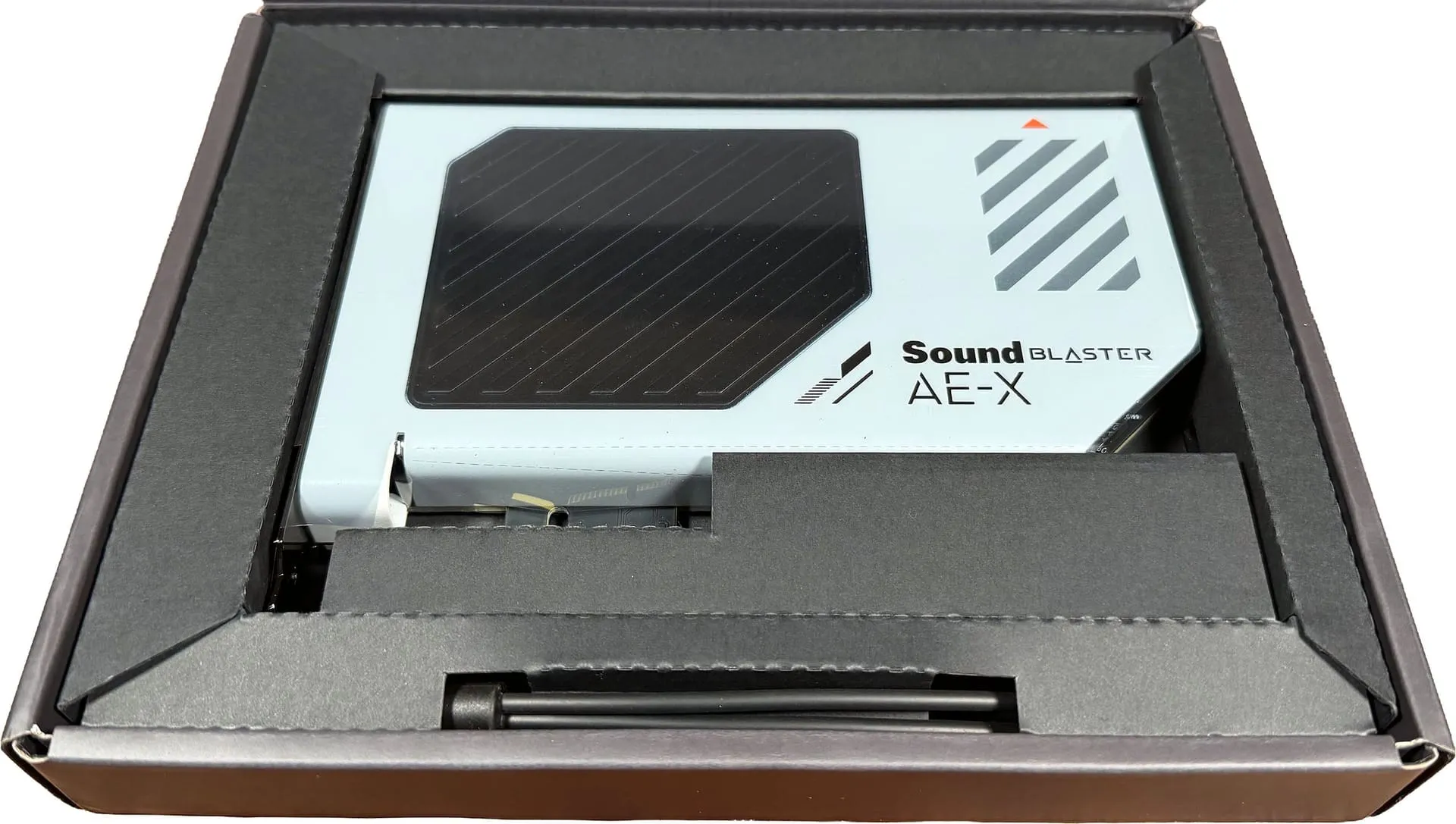
Before high-definition streaming and integrated sound chips dominated the modern computing landscape, the sound of the personal computer was a special event. There was an era when a Sound Blaster card wasn’t just an add-on; it was nearly an essential component of any serious setup.
Creative didn’t just make sound cards; they helped define the auditory experience of the early PC revolution. The company played a major role in shaping that era, evolving audio technology as the systems themselves grew more powerful.
This evolution was tangible. From the clunky beginnings of early ISA cards and the expansive PCI generations, Creative continuously pushed boundaries. They transformed basic sound output into a complex system capable of handling real audio processing.
What made these devices so compelling was the suite of features they offered. Back then, enthusiasts weren’t just buying speakers; they were investing in dedicated audio processors, advanced hardware acceleration, and the most comprehensive range of connections available to the hobbyist.
These dedicated processors and hardware acceleration features were not just technical specifications; they were tangible selling points that gave users access to a richer, more immersive sound experience than standard onboard chips could provide.
The Sound Blaster line represented a pivotal moment where PC audio moved from a simple background function to a sophisticated, controllable element of the computer experience. It was a time when the hardware itself defined the quality of the digital sound.
Buy on Amazon
Credit
