How WoW captures the true spirit of the MMO
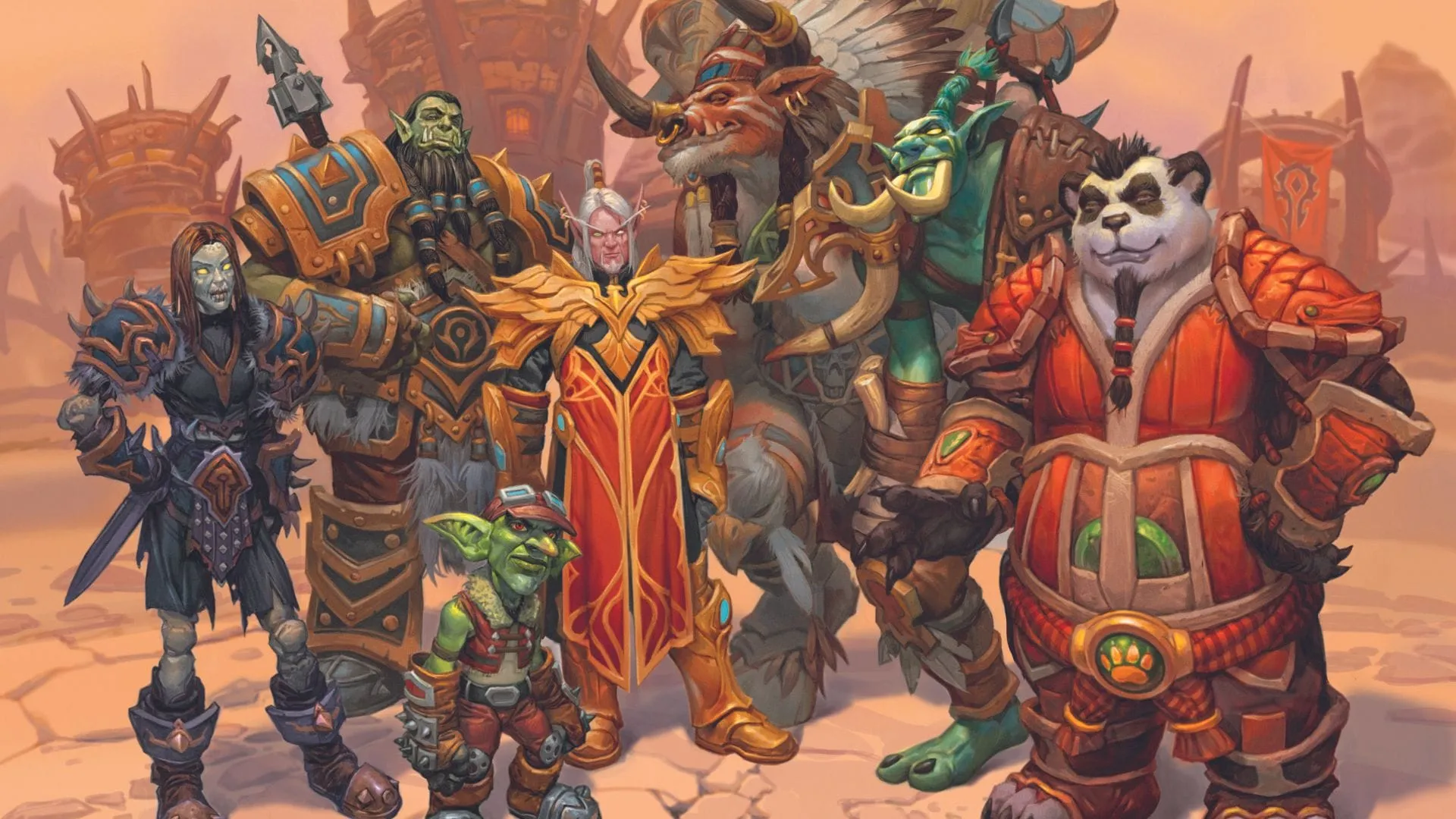
When you think about combining the epic scope of Dungeons & Dragons with the sprawling world of World of Warcraft, it’s easy to assume a simple 1:1 translation. But the team behind the upcoming collaboration knows a fundamental truth: you simply cannot replicate the complexities of an MMO onto a tabletop experience. The relentless grind and repetitive boss fights that define the MMO experience are simply not built for a session at the table.
Instead of trying to emulate the mechanics of Azeroth directly, the project focuses on paraphrasing the MMO within the familiar framework of tabletop play. The goal is to capture the spirit of exploring the vast world and reliving iconic moments, rather than demanding players endure the tedious trial-and-error of online combat.
The resulting rulebook takes the world of Azeroth, including all of its expansions up to Midnight, and adapts it for adventurers. Popular dungeons from WoW, such as the Deadmines, are largely intact, offering players the adventure of deep caverns and ancient cities. These dungeons serve as a fantastic “toolbox” for Dungeon Masters, allowing them to tell tales of the MMO’s world without the anxiety of deciding which loot drops belong to whom or the tension of endless combat.
The design allows for player freedom. Adventures through these locations are curated, and there are no restrictions on taking a rest or moving between areas—though the inherent dangers of the world ensure that exploration remains a thrilling challenge.
Climactic confrontations with WoW’s biggest names are a highlight, featuring legendary figures like the Lich King, Illidan, and Jaina Proudmoore. The team has adapted these encounters to feel dynamic and tabletop-appropriate. For instance, Jaina’s encounter is reimagined not as a gradual chill, but as a dramatic challenge where players must quickly find a way to thaw their frozen comrade using fire, or risk a frosty strike.
The rules also seamlessly integrate core MMO systems. Players can prepare for exploration by utilizing gathering and crafting professions. D&D’s crafting rules are flexible enough to accommodate this, allowing players to make wisdom checks for acquiring supplies or ore while mining. This system incentivizes skill improvement, as powerful items, such as armor, are gated by a player’s proficiency bonus.
Furthermore, the renown system mirrors WoW’s faction reputation. Players earn rewards as they climb the ranks of trust, with progress tied to achieving status with powerful factions like the dragons. Becoming exalted with the Earthen Ring can unlock powerful abilities, such as summoning Elemental minions or teleporting across the world, while rival factions introduce compelling elements of political tension.
This approach succeeds because it recognizes the deep overlap between the two worlds while making intentional choices about what to keep and what to adapt. It is a smart way to handle a collaboration, creating a new experience that feels both familiar and uniquely adventurous. Details regarding how WoW classes will map onto the tabletop format, and plans for potential follow-up content, will be revealed as the book approaches its release in November.
Buy on Amazon
Credit
