HP Abandoned PC Can This Windows AIO Make a Comeback
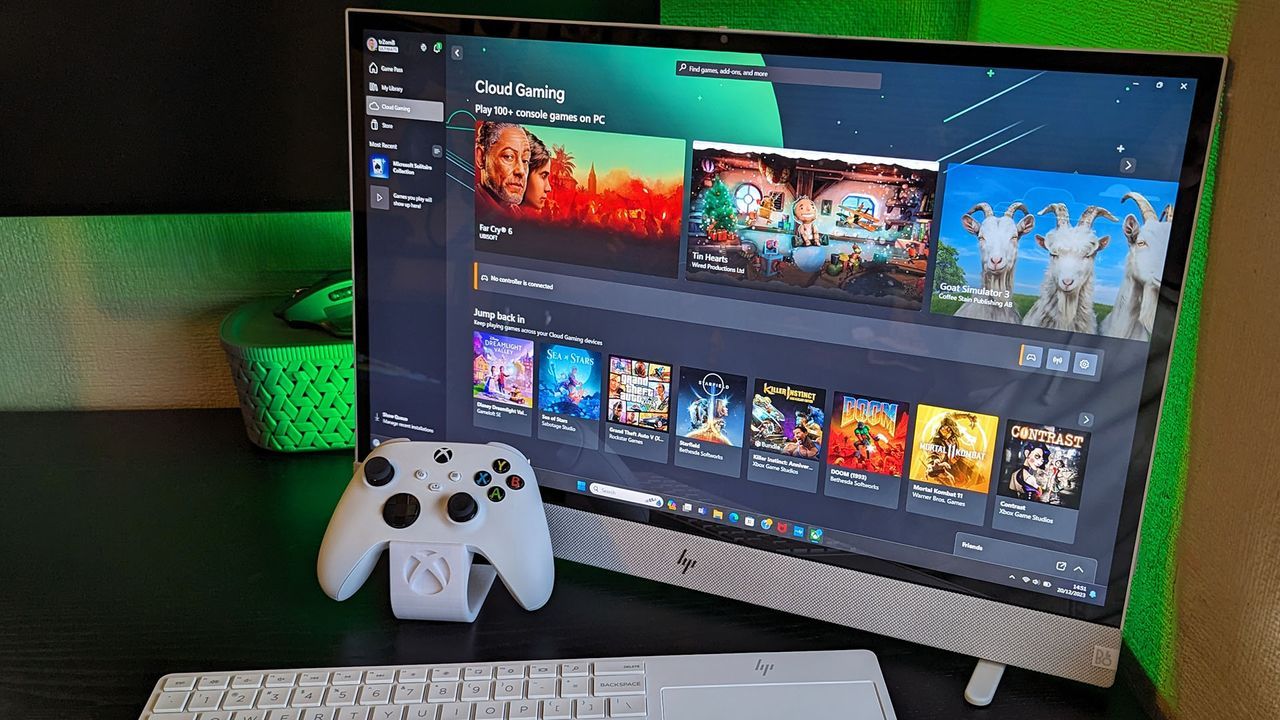
In 2023, HP released a device that dared to rethink the boundaries of personal computing: the Envy Move. This all-in-one (AIO) PC wasn’t just about combining components; it was about redefining portability. It possessed a genuinely clever quirk: the ability to run wirelessly on battery power, offering enough runtime to stream a movie or join a video call, powered by its interactive touchscreen.
But the brilliance of the Envy Move went beyond simple portability. HP packed the design with ingenuity, including a built-in handle attached to a flexible loop, pop-out feet for stability, and a rear pouch that cleverly housed a keyboard and touchpad. It was a mobile workstation engineered to move wherever life took you, featuring great speakers and a design that prioritized collaboration and ease of transport.
Designers and reviewers were quick to laud the concept, awarding the product a perfect score. It was hailed as a remarkable sample—a unique fusion of desktop power and laptop flexibility. Yet, despite its undeniable novelty, the market proved hesitant. It quickly became apparent that while the Envy Move was technically impressive, consumers weren’t eager to choose it over the established options of traditional laptops or self-built desktops.
The story of the Envy Move ultimately highlights a common tension in the tech world: the gap between innovative design and commercial demand. Following its initial introduction, HP made a shift in its product portfolio, dropping the Envy line and rebranding to focus on ‘Omni‘ and ‘Elite‘ PCs. While higher-end AIOs like the OmniStudio X continue to dominate the market, the Envy Move never found its place in the official store.
Even when it remained in circulation, the machine felt like a footnote. It featured a modest Core i7-1355U processor from Intel’s 13th generation, a chip that, while functional, wasn’t intended for high-performance demands. This juxtaposition—premium aesthetics paired with more modest internal components—underscored the fact that the hardware itself wasn’t the primary selling point.
Despite its commercial fate, the Envy Move’s spirit didn’t disappear. It lived on in personal memories, transforming family gatherings and casual outings into moments of fun. It became an object that could be turned into an arcade machine for family parties, proving that its appeal wasn’t just professional, but deeply experiential.
Perhaps the real lasting impact of the Envy Move is not in its sales figures, but in the fact that it sparked a conversation about what technology could look like. The machine proved that if you mix great design with clever functionality, you can create something truly memorable. And today, we see that spark reignited, with bizarre knockoffs and positive buzz across social media, proving that the concept—the fusion of form and function—is still deeply appealing.
Buy on Amazon
Credit
