HP enters the MacBook Neo race
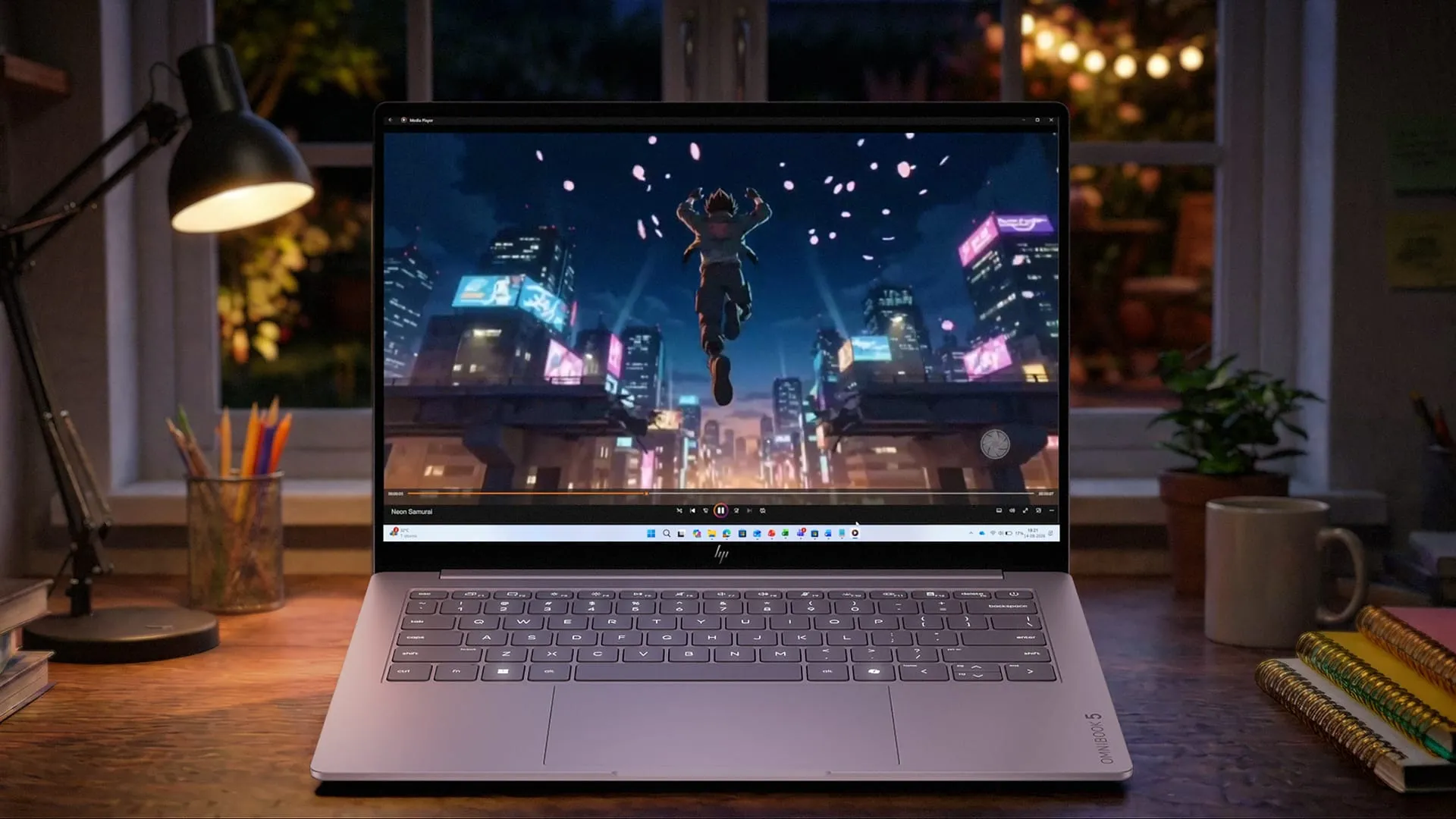
In a market increasingly defined by sleek design and cutting-edge displays, HP has stepped into the arena, challenging the giants with the arrival of the OmniBook 5. This new line of laptops isn’t just about performance; it’s a bold statement about integrating premium visuals and striking aesthetics into everyday computing.
Positioned directly against competitors like the MacBook Neo and Dell’s innovative 14S, the OmniBook 5 aims to deliver a compelling alternative. What immediately sets HP apart is their unwavering commitment to OLED technology across the entire lineup, offering a vibrant, deep contrast experience that appeals directly to visual creators and multitaskers alike.
HP has brought the color palette to the forefront, offering a range of finishes that elevate the laptop from a piece of hardware to a statement piece of design. Available in peony pink, starlit blue, smoke silver, and soft honeydew, these options allow users to personalize their tech experience with an undeniable flair.
The specifications for the OmniBook 5 reveal a strong foundation. Starting at an accessible price point of $699.99, the machine is powered by Intel’s Wildcat Lake chips, offering solid performance right out of the gate. Performance is balanced with portability, weighing in at just 2.56 pounds, making it lighter than several direct rivals.
Beyond the impressive physical attributes, the focus on the display is where the OmniBook 5 truly shines. Featuring a 14-inch, 1920 x 1200 OLED touchscreen, the laptop promises clarity and immersion. While HP promises up to 42 hours of battery life when running local video playback, users should note that this benchmark is based on specific viewing conditions.
While the initial launch features deliver on the visual promise, there is a technical nuance to consider. The initial 1920 x 1200 models are rated at 300 nits of brightness. Although OLED panels benefit immensely from high brightness, this level is noted as fairly dim, suggesting that future iterations will push the boundaries of visual quality even further.
HP is also clearly responding to the evolving demands of the component market by offering flexible configurations. Options for memory and storage are available now, though future updates are planned. Specifically, while 8GB and 16GB RAM configurations are available at launch, a 12GB option is slated for release in November 2026, and the 1TB storage option will be available later in 2026.
Looking ahead, HP continues to invest in display technology. The company is planning to introduce a higher-end OLED panel, a 2560 x 1600 touchscreen rated for 620 nits, scheduled for release in March of next year, signaling a clear trajectory toward premium visual specifications.
Buy on Amazon
Credit
