HPE runs first supercomputer benchmarks on the Moon
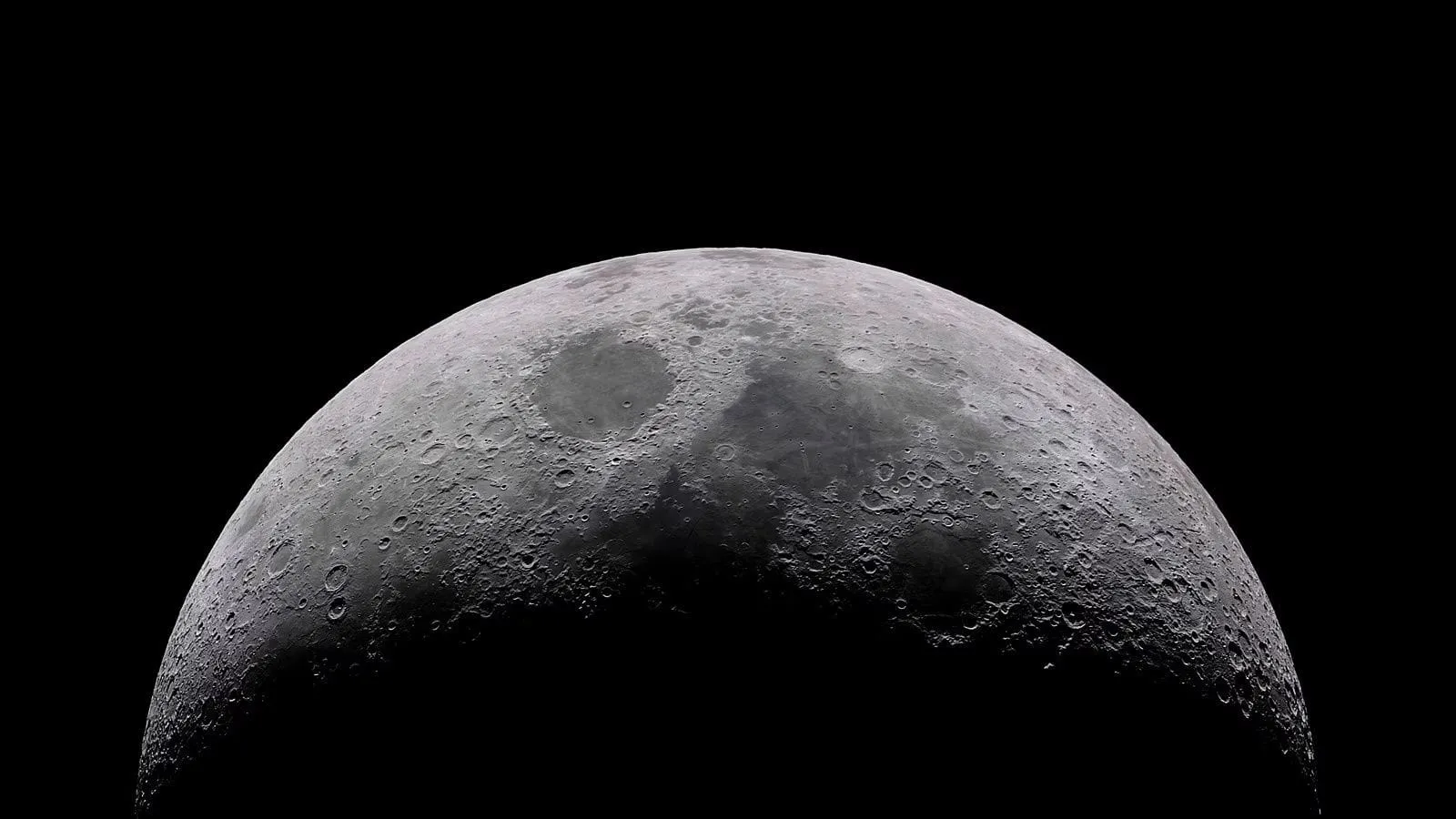
The next frontier of computing isn’t just on Earth; it’s heading for the Moon. Hewlett Packard Enterprise (HPE) is leading the charge, preparing to send a groundbreaking fanless compute module to the lunar surface to redefine what high-performance computing and artificial intelligence can achieve in the deep space environment.
This ambitious mission involves deploying the Spaceborne Computer-4, a lightweight, self-contained module designed specifically for the harsh environment of space. It will ride on an Astrolab FLIP rover to the lunar south pole, partnering with NASA’s Commercial Lunar Payload Services initiative and a Voyager Technologies Griffin-1 lander. The launch is slated for late 2026, marking a significant step in expanding human capability beyond Earth.
The true excitement lies in the intended use of this advanced hardware. HPE aims to run what they call “the first high performance computing (HPC) benchmarks on the surface of the Moon.” This isn’t just about crunching numbers; it’s about pushing the limits of data processing in an unprecedented location. The benchmarks will include High Performance Conjugate Gradients (HPCG), a metric that complements traditional supercomputing benchmarks like High Performance LINPACK (HPL).
But the mission goes far beyond traditional computing. The hardware is specifically engineered to bring AI and HPC capabilities “to the lunar edge.” It features a unique design: a lightweight, fanless module roughly the size of a typical graphics card, built from two component cards, and designed to efficiently dissipate heat into the rover plate rather than relying on conventional cooling systems. Inside, the module houses 1TB of Kioxia storage, a low-power CPU, and a small GPU, making it perfectly suited for extended missions.
The focus shifts from raw processing power to intelligent data discovery. The compute module is intended for rigorous AI testing, including large language model (LLM) retrieval-augmented generation, vision inference, and advanced LiDAR processing. These capabilities will be used for critical lunar tasks, such as detailed mapping, autonomous navigation, terrain analysis, and infrastructure development.
The anticipated results are poised to deliver profound insights. The team plans to use the hardware to run NASA’s Federated Learning for Unbounded and Intelligent Decentralization (FLUID) AI neural network, coordinating data from Earth, the Moon, and the ISS across three distinct models. Furthermore, Deloitte will test its Silent Shield system, a new predictive analytics tool designed to detect cyber intrusions with near-real-time accuracy. Testing will ideally occur onboard, maximizing the utility of limited bandwidth.
As HPE’s vice president, fellow, and global sales chief technologist noted, the next chapter of lunar exploration depends on the ability to turn data into actionable insights at the point of discovery. This lunar endeavor positions the Moon not just as a destination, but as a vital, high-performance computing laboratory for future deep-space exploration and advanced AI development.
Credit
