Huang: AI development is my problem not society’s
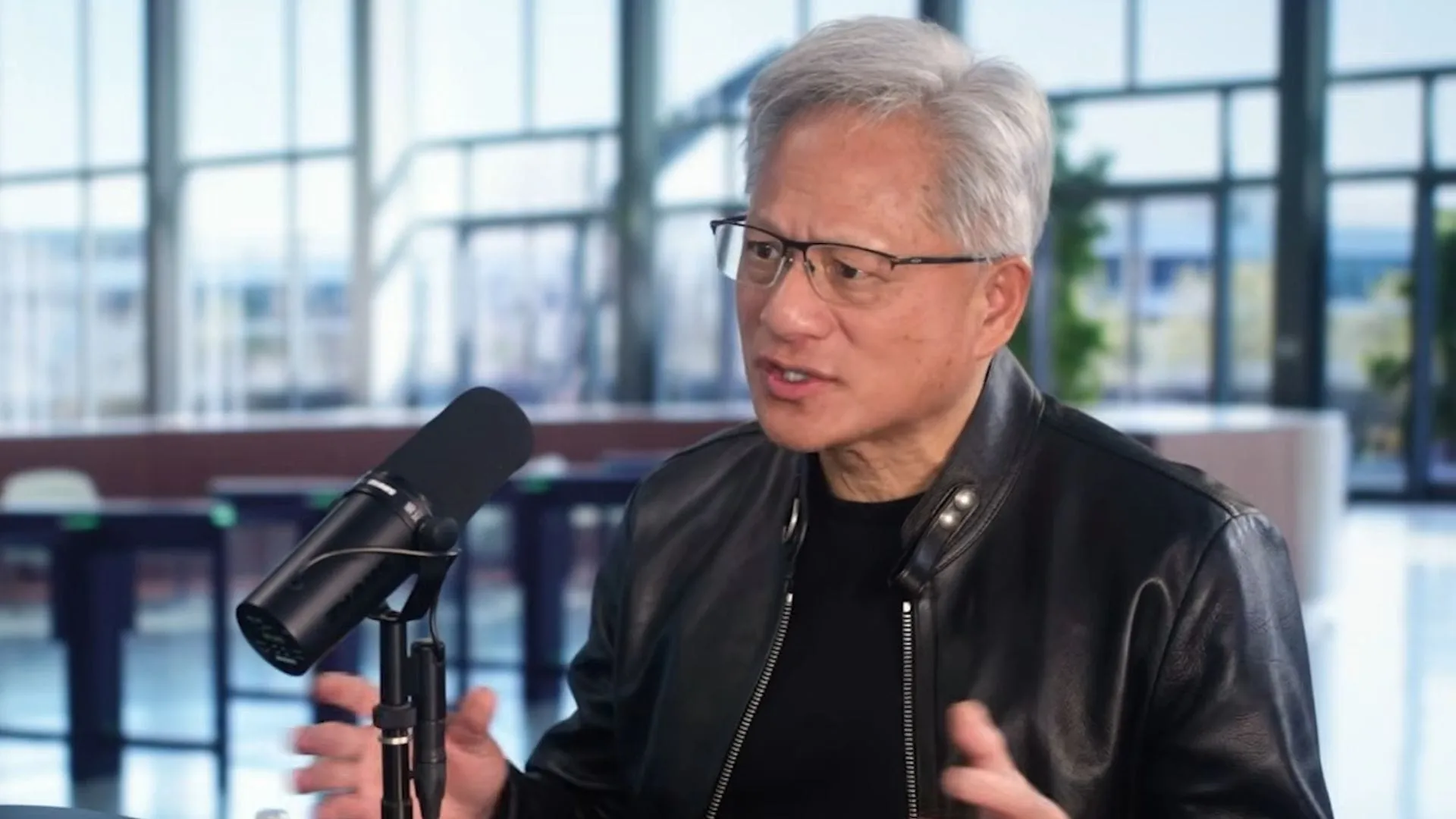
The Responsible Optimist: Nvidia CEO on the AI Revolution and the Future of Work
As the artificial intelligence revolution accelerates, the conversation shifts from the sheer capability of the technology to the profound human implications. At the heart of this discussion is the tension between anxiety over potential job displacement and the exhilarating promise of unprecedented innovation. When Nvidia CEO Jensen Huang steps into the spotlight, he offers a perspective that attempts to balance this duality, framing the rapid advancement of AI not just as a technical challenge, but as a human responsibility.
The current AI debate is often dominated by concerns over potential job losses and cybersecurity risks. But for those driving the frontier of this technology, the focus shifts toward harnessing the speed of development. Huang acknowledges the inherent anxieties, but instead of letting fear paralyze progress, he seeks to channel that worry into constructive action. He suggests that the lessons learned from past technological shifts—such as navigating international labor dynamics—should actually sharpen our focus on the future, rather than deepen our fear.
“I am always worried about the future,” Huang admits. “That’s why I work so hard. I’m, if you will, a responsible optimist.” This position is rooted in the understanding that the most powerful force in the AI age is the human capacity to apply the technology ethically. He emphasizes that the responsibility for the outcome rests with the builders, not solely with society.
The core message revolves around agency. While statistics suggest that a significant portion of the population anticipates job reductions due to AI’s increasing capability, Huang argues that this technological shift is also an opportunity for empowerment. He points out that the very ease with which this powerful technology can be used—allowing people to simply “speak human” commands to computers—is a revolutionary shift in human capability.
“That coin has exactly two sides,” Huang notes. “Because the technology is so capable and because it’s so smart, it is also easier to use. You are empowered by that technology more easily than any technology in human history.” This perspective suggests that the goal should be to use AI to augment human potential, ensuring that the transition benefits people rather than simply impacting them.
Huang argues that the solution to the anxieties surrounding rapid change is not to retreat, but to actively engage with the technology. He calls for focusing on how the technology can inspire people and lead to shared benefit, rather than focusing solely on the potential impact. The emphasis is on using this transition to move forward, ensuring that the benefits of this new industry are widely shared.
Buy on Amazon
Credit
