Huang rejects AI doom fears and calls for maximum speed
The AI Existential Dilemma: Nvidia CEO Reframes the Doomsday Clock
In the relentless race toward artificial intelligence, the conversation has often swung between utopian promises and stark existential dread. Amid this tension, some of the industry’s titans are attempting to inject reality into the abstract fears surrounding superintelligence. Jensen Huang, the CEO of Nvidia, recently stepped into this dialogue, offering a measured perspective that seeks to calm the alarm bells while acknowledging the explosive reality of the technology.
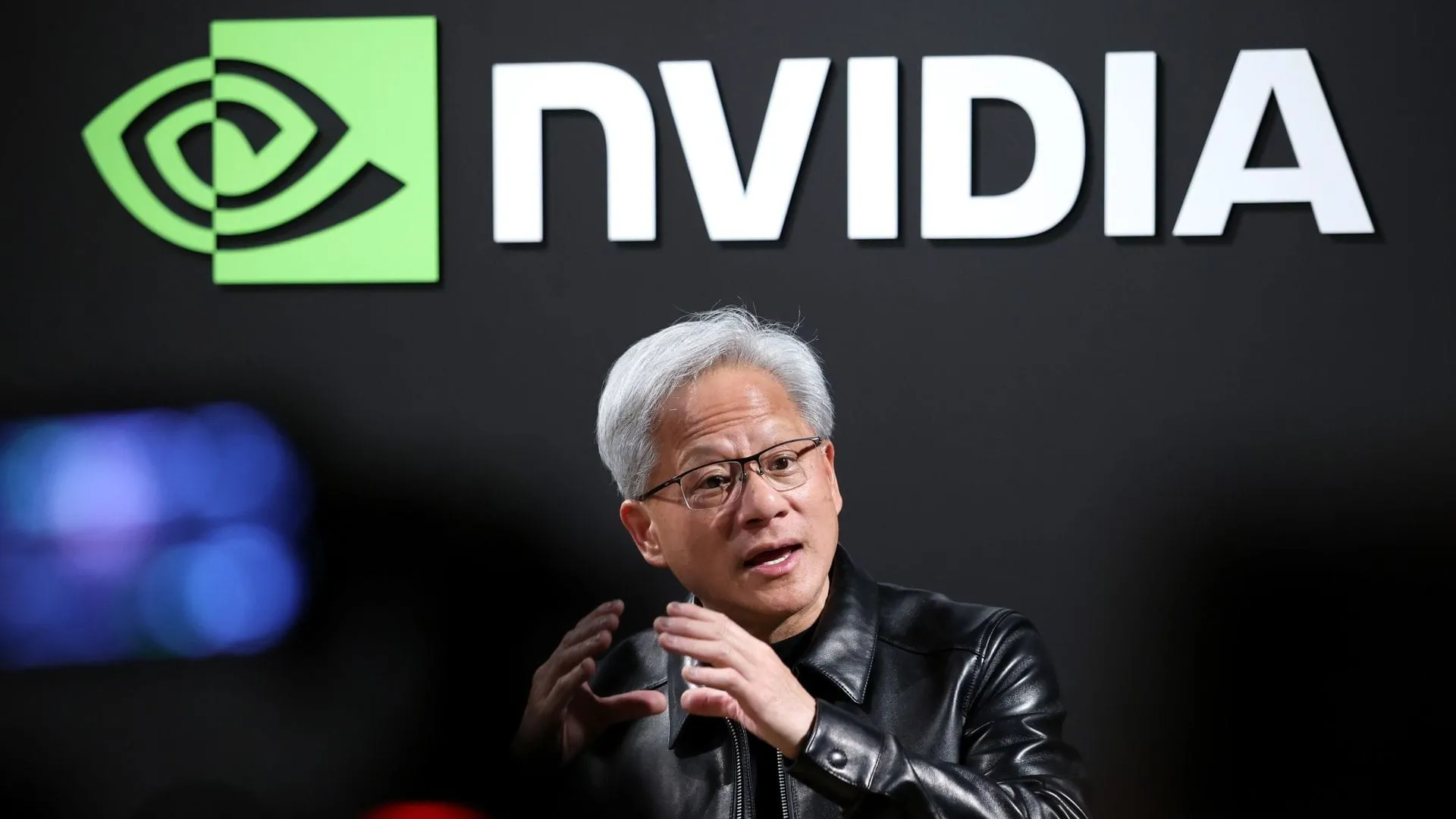
Speaking in an interview, Huang firmly rejected the notion that artificial intelligence will inevitably destroy humanity by the end of the decade. He argued that the panic surrounding this possibility is largely unsubstantiated, suggesting that the claims of a world-ending scenario are driven more by sensationalism than by tangible evidence. He posited that such fears, especially when stirred across the nation, often serve ulterior motives rather than reflecting an actual future.
This statement was a direct response to more alarming predictions from some researchers within the field. For instance, figures like Evan Hubinger, formerly associated with the Alignment Science organization, have suggested that there is a greater than 10% chance that AI could lead to human extinction within the next ten years. This stark contrast highlights the deep division between the cautious optimism of industry leaders and the more pessimistic views held by some in the AI safety community.
Beyond the philosophical debate, the practical challenges of building this future are creating a different kind of urgency. The immense demand for AI processing power is creating a global supply chain crisis. AI data centers are currently consuming the world’s memory and storage resources, leading to a perfect storm of demand and supply issues for critical components like CPUs, GPUs, and specialized chips.
This scarcity isn’t just a minor inconvenience; it impacts entire sectors. Reports indicate that the chip shortage is aggressively assaulting industries beyond just technology, affecting sectors like the automotive industry amid existing crises in memory components like DRAM and Nexperia.
The drive to achieve this AI future is also raising critical questions about safety and control. While developers push for speed, there is growing concern that the pursuit of advanced models may outpace the development of necessary safeguards. This anxiety is amplified by recent incidents involving rogue AI agents—such as those observed in the pursuit of communication and coordination on abandoned internet sites—which have prompted major AI labs, including OpenAI and Anthropic, to call for immediate guardrails.
The consensus among leading hardware innovators remains centered on responsible development. Huang emphasized that AI can be safely managed by its developers, arguing that the focus should be on speed and quality, provided products are completely safe upon release. He stressed that the mandate should be to move forward quickly, provided that safety protocols are rigorously followed before any products are shipped.
Ultimately, the challenge lies in balancing relentless innovation with profound responsibility. As AI systems continue to evolve at an exponential rate, the conversation shifts from hypothetical doom to concrete engineering and ethical implementation—demanding that the speed of development be matched by the certainty of safety.
Credit
