Huang sold GPUs now denies the AI end of the world
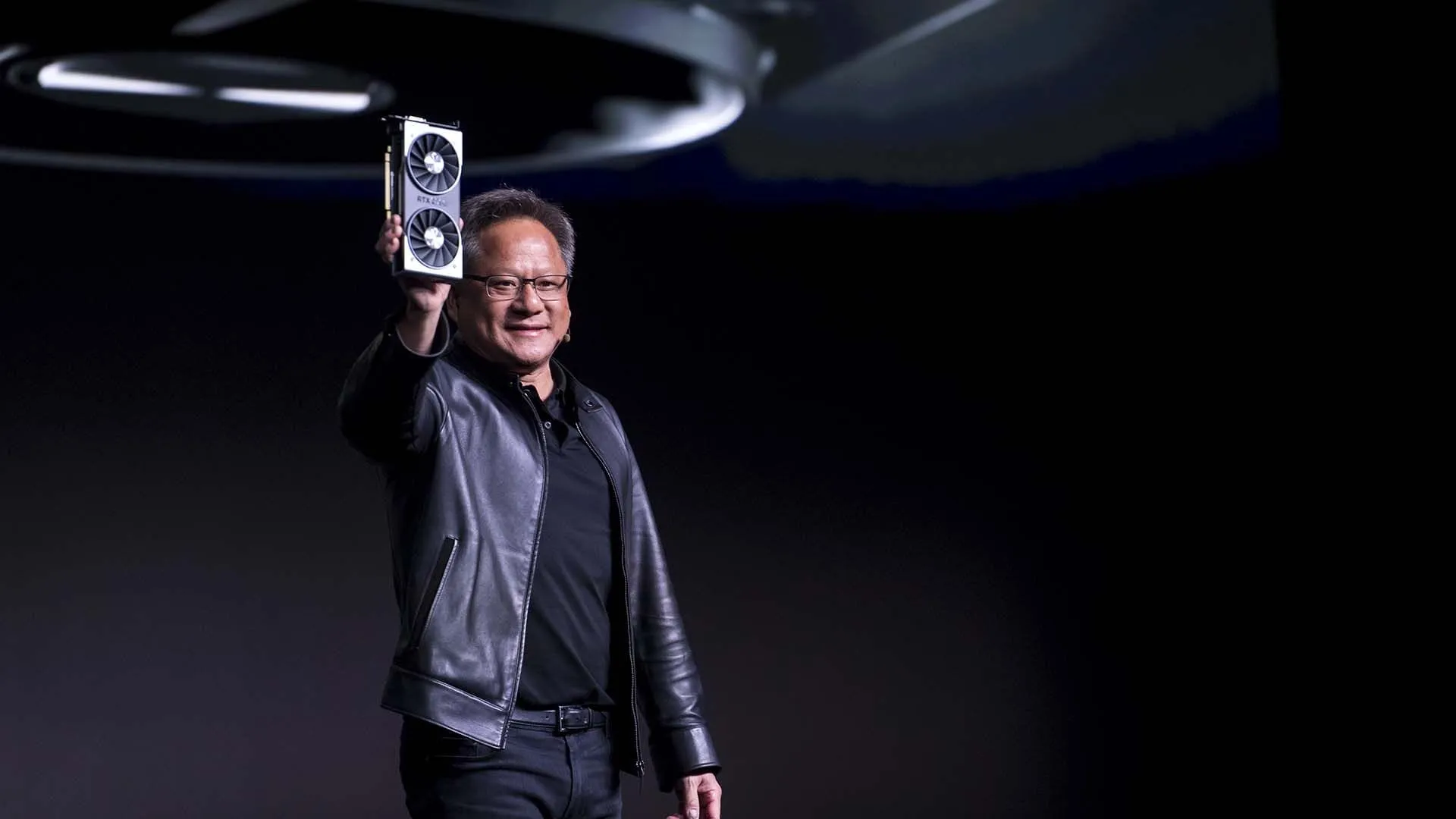
The dramatic theories surrounding an AI-induced extinction event for humanity are, in short, getting a serious dose of reality. Nvidia CEO Jensen Huang recently took a firm stand against the alarmist claims, dismissing the notion that this scenario is grounded in science and labeling the warnings as unnecessary and irresponsible.
This strong rebuttal came in response to earlier claims made by ex-Anthropic researcher Jacob Coxon, who suggested that AI progress could lead to global catastrophe by the end of the decade. Huang’s response was clear: 2030 is not going to be the end of the world, emphasizing that the fear-mongering is simply not supported by evidence.
The shift in public and corporate discourse regarding the future of artificial intelligence is striking, especially when viewed against the backdrop of the past few years. Five years ago, the narrative around Nvidia’s keynote at GTC 2021 felt distinctly different. It was a time when the focus was heavily on hardware and gaming, and the CEO’s presence was perhaps more relaxed, reflected in the lighthearted moments, such as spending money on a leather jacket emoji to poke fun at himself.
Today, the landscape has dramatically changed. The same figure now finds himself fielding serious discussions about global existential risk, even offering assurances to political figures. It is a strange juxtaposition: the leader of the AI hardware revolution is now tasked with addressing some of the most profound human fears.
Huang made it clear that the success of his company is inextricably linked to the safe deployment of AI products and services. He stressed that continuing to prioritize safety is essential, stating that if they do not, the value of the company will be diminished.
While the philosophical discussions about the end of the world continue, the practical focus remains intensely practical. The core mission, as always, boils down to engineering excellence and supply. The ongoing challenge remains a mission to ensure that the market can access the necessary technology, regardless of the existential dread swirling around the headlines.
The enduring goal, regardless of the theoretical doom, is still about hardware: the relentless pursuit of making technology accessible and powerful.
Buy on Amazon
Credit
