Humankind 2 makes smart choices to pick up the 4X torch
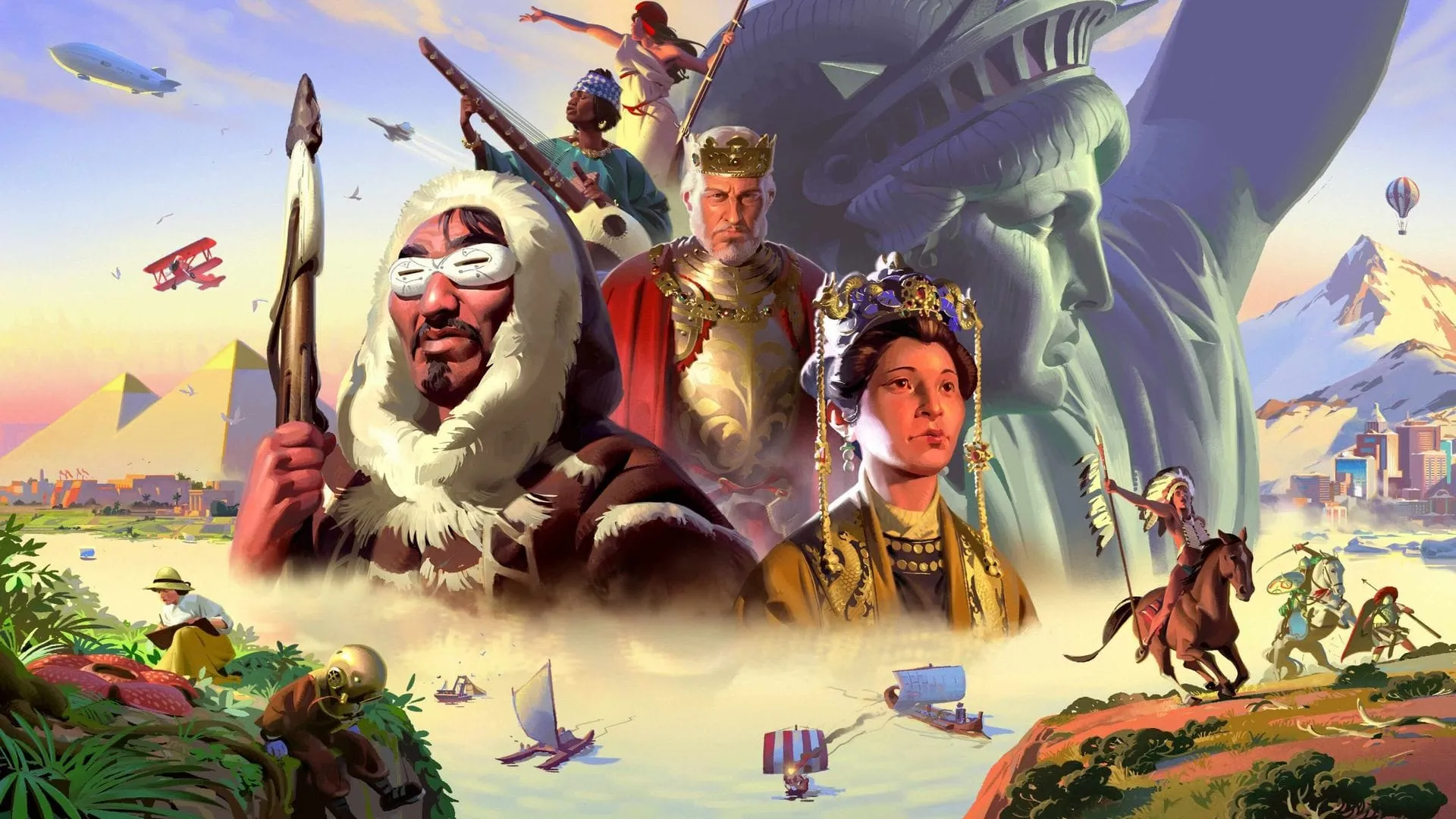
The grand, sprawling narrative of human civilization has always been shaped by more than just conquest and code. But what happens when you introduce the volatile, shifting reality of climate and biome into the very fabric of history itself? This is the core question Amplitude is exploring in Humankind 2, moving beyond simple 4X mechanics to offer a deeply materialist, dialectical view of how societies evolve.
The experience of building a civilization in this new world immediately shifts the focus from pure expansion to environmental negotiation. The game posits a dynamic system where culture is not static; it is intrinsically linked to the biome in which it exists. History becomes a cycle where culture influences the environment, and the environment, in turn, dictates cultural destiny. Climate is not a backdrop; it is a force of nature, subject to natural and unnatural disruptions, mirroring the real world.
At the heart of this dynamic system is the interplay between the physical world and the chosen history. Each starting tribe receives a “First Tale” tied to its territory, which acts as a foundational kernel for their culture. This initial choice grants specific bonuses and changes to the physical tiles, immediately making the player better equipped to exist within their chosen environment. For instance, a tribe starting near the Nile might begin with a “Flood Tamer” mentality, giving them innate skills in managing water resources.
Amplitude demonstrates how this environmental link deepens as players venture into the specifics of adaptation. For example, a civilization in the scorching Egyptian desert can spend culture points unlocking specific adaptations—like developing techniques for heat endurance, heat-resistant building materials, or methods for water scrounging. This allows players to physically adapt to the harsh conditions of the desert, making their success feel earned through genuine environmental mastery.
But the game refuses to let players rest on their laurels. Climate shifts, like the Medieval Warm Period or the Little Ice Age, introduce external pressures that challenge these carefully cultivated adaptations. The narrative vision is thrilling: civilizations can be fundamentally reshaped by geological forces. The demonstration explored scenarios where a desert-adapted civilization could, through extreme shifts, find themselves blanketed in snow, forcing a radical evolution toward warmth and long-term resource preservation. This illustrates that adaptation is possible, even in the face of radical environmental change.
To further encourage uniqueness, Amplitude is moving away from the monolithic cultures of previous titles toward a skill-tree-based system. Cultures now unlock tiered customs and roles, allowing players to tailor their societies in nuanced ways—from unlocking specific religious traditions to setting up unique city aesthetics. As eras pass, civilizations reach “Crossroads” points, offering the freedom to diverge based on shared history, physical land, or foreign contact, unlocking new city roles and unique social structures.
This approach aims to ensure that every session feels genuinely distinct. Instead of simply picking a new aesthetic, players actively shape their civilization’s relationship with its surroundings. Whether marching into a jungle or confronting an arid expanse, the results are not predetermined. The potential for unique outcomes—such as a desert-adapted people attempting to conquer a jungle environment—pushes players to think critically about the consequences of their choices in a way that feels deeply rooted in the physical world.
Beyond the mechanics, the production values add another layer of polish. The new effects and animations, such as wonders assembling themselves dramatically, give the experience a visual grandeur that positions the game as a serious competitor to the 4X genre. Amplitude seems to be leveraging these deep environmental and cultural systems to build a history that is not just played, but truly lived.
Buy on Amazon
Credit
