Hybrid Intelligence breathes new life into Windows 11 NPUs
Microsoft Rebrands AI Hardware: How Hybrid Intelligence is Redefining the Next Generation of PCs
The initial wave of artificial intelligence hardware targeting personal computing—the Copilot+ PC—faced a rocky start. After a challenging 2024 launch, Microsoft made a strategic shift, moving away from the ambitious branding and refocusing its efforts on what truly matters: integrated, flexible AI experiences. This pivot allows the company to introduce a powerful new concept that promises a smarter, more efficient future for personal computing: Hybrid intelligence.
If you were waiting for true on-device AI capabilities, you might have been disappointed by the pace of rollout. Early features like Semantic Search and Click To Do were introduced, but the real potential of local AI processing was still on the horizon. Now, Microsoft is finally delivering on the promise of local intelligence by weaving AI capabilities directly into the Windows 11 operating system, setting the stage for a fundamental change in how PCs interact with the digital world.
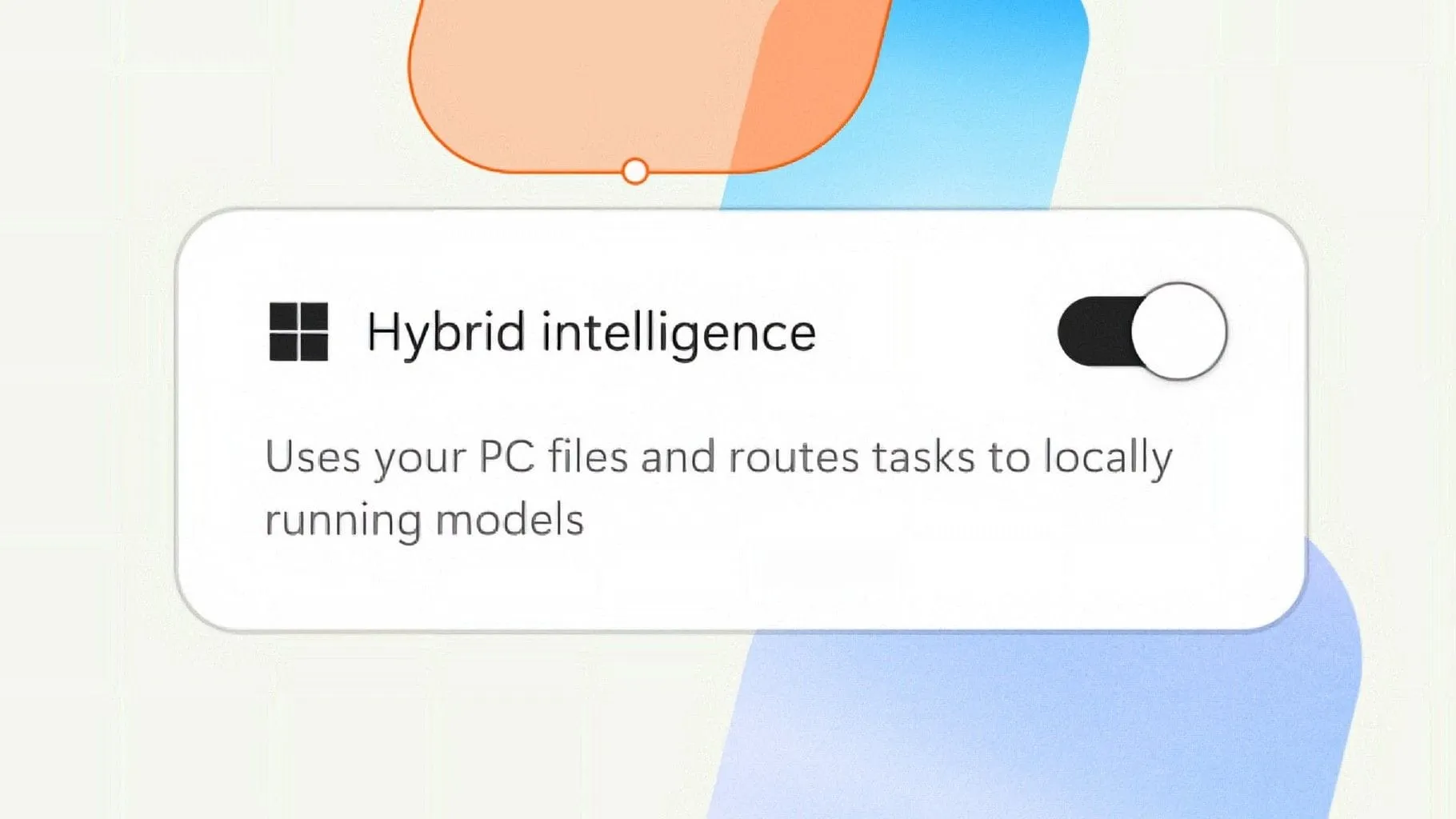
The core of this evolution lies in Hybrid intelligence, which intelligently manages AI tasks by seamlessly routing them between fast on-device processing and powerful cloud computation. This approach acknowledges that not all AI tasks require massive data center power; some can, and should, be handled directly on the machine itself.
What does this hybrid approach mean for the user? It means Copilot is evolving from a simple assistant into an active agent. With permission, Copilot can now access and understand local context—files and recent activity on your PC—bringing essential context into your workflow. Furthermore, it gains the ability to perform local actions, helping you organize files, diagnose device issues, troubleshoot problems, and even write code directly on your machine.
By utilizing local models, the system can handle appropriate tasks instantly, only engaging the cloud when dealing with more complex or heavy workloads. This blend enhances the new Copilot Home, Code, and Autopilot experiences, ensuring that AI is powerful, responsive, and secure.
This shift is also underpinned by a focus on hardware. For these advanced features to function, the hardware must be equipped with dedicated processing capabilities, such as the Neural Processing Unit (NPU), which is crucial for efficient local AI processing. This focus on local compute power is not just about performance; it is a strategic move toward enhancing privacy and security by keeping sensitive data localized.
To further solidify the on-device AI strategy, Microsoft has introduced models like Aion Instruct, which can run directly on the system using the NPU, GPU, or CPU. This capability allows for powerful text generation and instruction following without constant reliance on external services.
Ultimately, the rebranding from the somewhat polarizing Copilot+ PC to the overarching concept of Hybrid intelligence signals a mature understanding of AI integration. It is a clear signal that the future of computing is not just about bigger models, but about smarter, more distributed AI—giving PCs the local intelligence they need to operate autonomously and securely.
Buy on Amazon
Credit
