Inkjet tech fixes OLED brightness limits
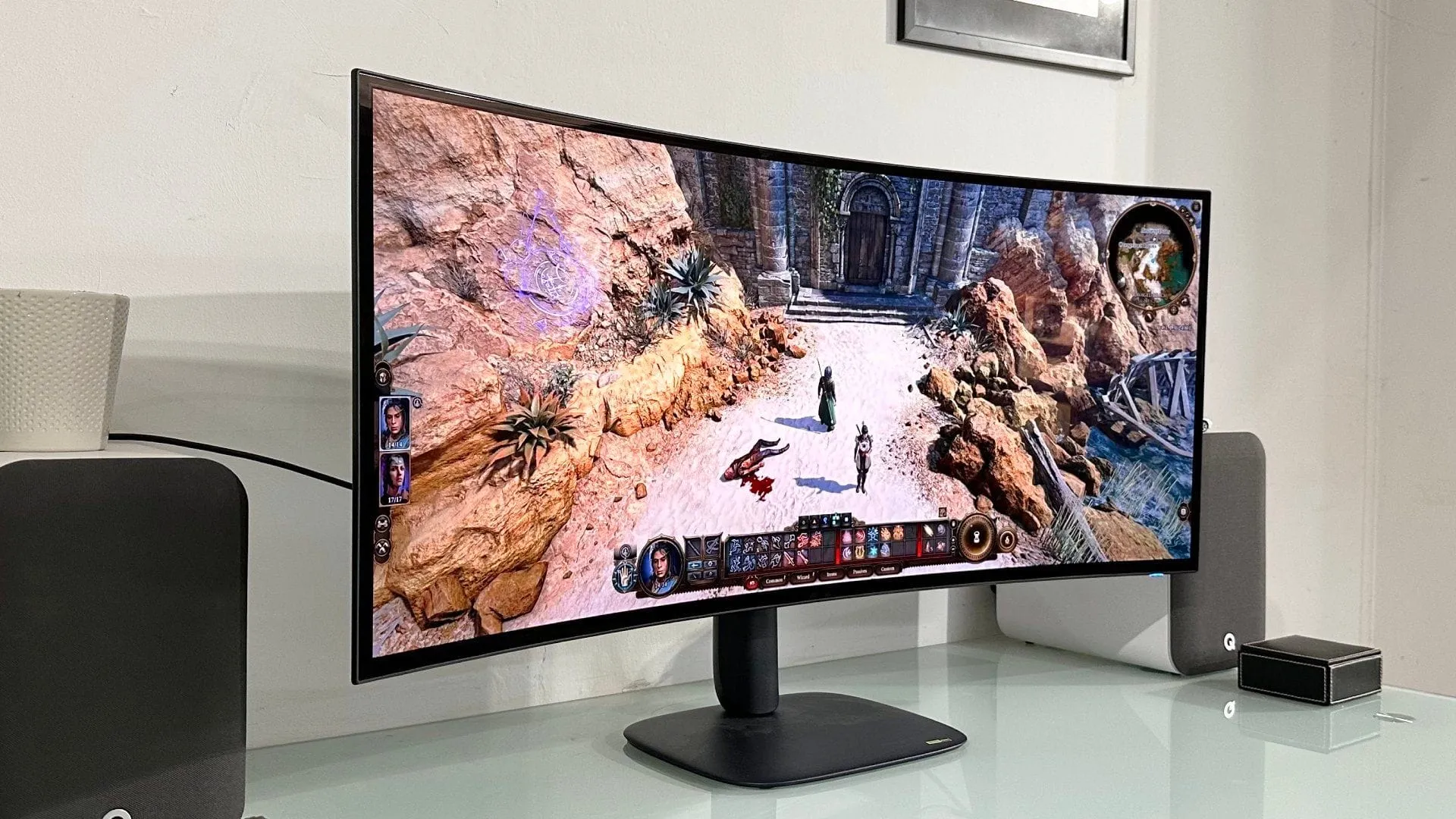
For years, the brilliance of OLED technology has been constrained by a single, stubborn hurdle: full-screen brightness. While OLED panels deliver unparalleled contrast and deep blacks, achieving adequate luminosity across the entire display proved challenging, leaving many users wanting more light, especially in bright environments.
Now, a disruptive new panel technology is poised to shatter that limitation. Heralded by the Chinese manufacturer TCL CSOT, this innovation promises a full-screen capability reaching 500 nits, marking the single greatest leap in OLED full-screen brightness since these displays were first adopted for PC monitors.
This breakthrough is built upon a novel approach known as “inkjet” printing. Unlike the traditional evaporation and metal-mask deposition techniques used by established giants like Samsung and LG, the inkjet method involves printing the OLED material directly onto the display substrate, much like an inkjet printer.
This fundamentally different manufacturing process unlocks significant performance potential. While first-generation inkjet OLED panels have demonstrated impressive performance, the current generation is pushing the boundaries further, offering a unique advantage in color volume.
One of the most intriguing claims of this new technology is its ability to maintain full color volume regardless of brightness. This addresses a long-standing issue where competitors often sacrifice color fidelity when operating at lower brightness levels, something the inkjet approach seems to circumvent.
Beyond raw brightness, the new panel technology maintains high-fidelity specifications. It boasts a DCI-P3 coverage of 99 percent and achieves a true RGB-stripe subpixel structure, promising enhanced clarity and vibrant color depth for every pixel.
Imagine a world where OLED monitors can deliver stunning visual experiences without compromise. This advancement moves the goalposts, suggesting that 500 nits is sufficient for most conventional PC monitor use cases, ensuring a vibrant and comfortable experience day-to-day.
While the journey to mass retail availability is still underway—and there are yet to be any major concerns regarding the long-term burn-in issues that have historically plagued OLEDs—the trajectory is undeniably bright. The future of high-performance displays looks incredibly luminous.
Buy on Amazon
Credit
