Intel boosts XeSS in Proton for faster handheld gaming
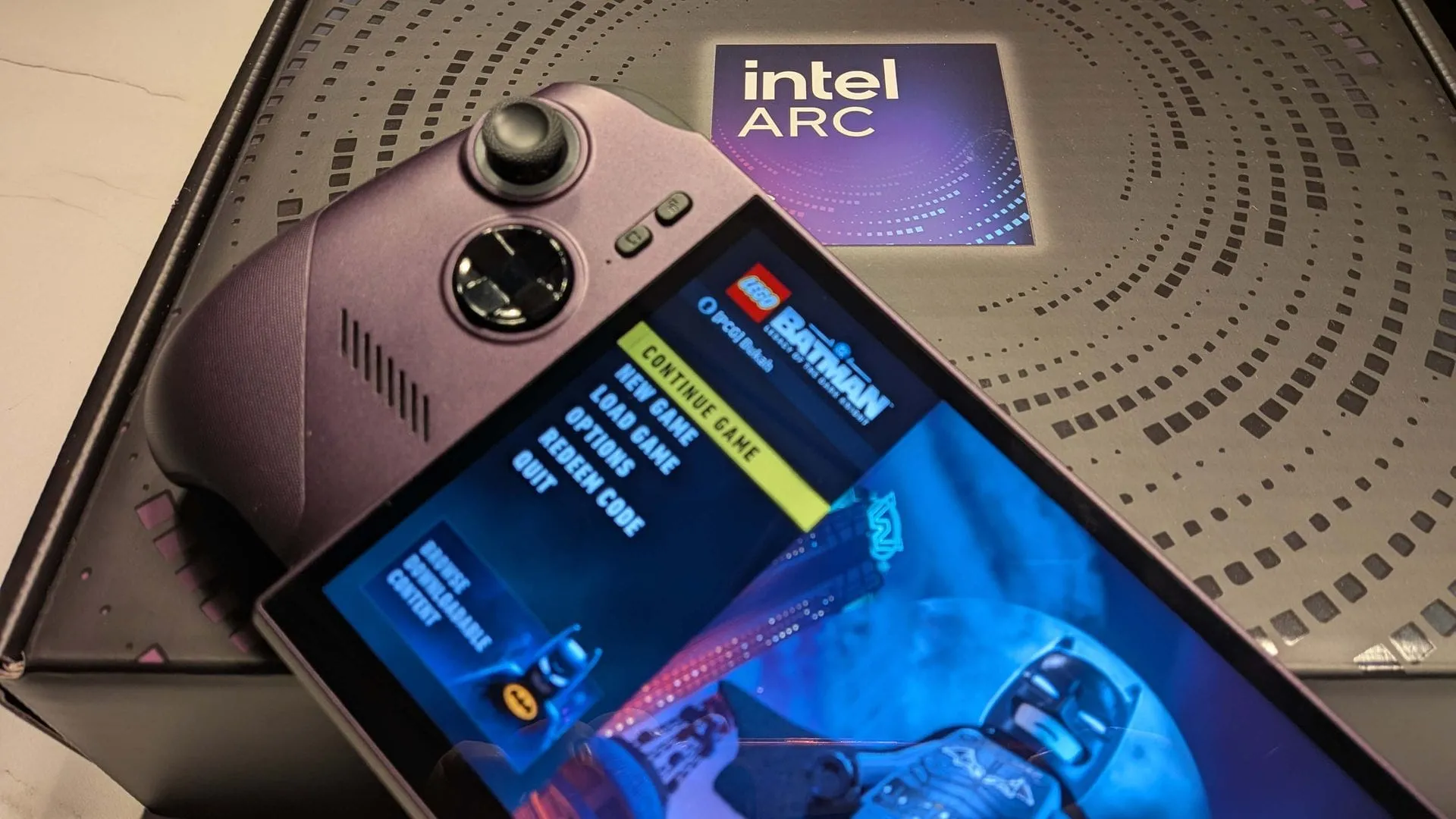
The quest for truly seamless cross-platform gaming is taking a fascinating turn, as hardware giants are pushing for deeper integration between Windows performance and the open world of Linux. Intel is actively opening the doors for its cutting-edge upscaling technology, XeSS, to be woven directly into Proton, Valve’s essential compatibility layer.
This move signals a renewed interest in making Intel mobile gaming chips truly viable on the Linux operating system. For a long time, the gaming ecosystem, particularly through the success of the Steam Deck and SteamOS, has been heavily centered on AMD architecture. However, the landscape is rapidly evolving, and the push for broader hardware support is now putting Intel and Linux side-by-side.
At the heart of this effort is XeSS, Intel’s innovative upscaling technology. XeSS offers a way to render games at higher resolutions efficiently. While XeSS can utilize various techniques, the focus here is on the XMX option, which leverages dedicated XMX cores within Intel GPUs for faster upscaling.
The challenge lies in bridging the gap between Windows-centric gaming drivers and the Linux environment. Proton acts as the crucial compatibility layer, allowing Windows games to run on Linux. For Intel hardware, achieving peak performance requires optimizing how these drivers interact with Linux.
To achieve this integration, Intel engineers have opened pull requests for XeSS support within Proton. The goal is to introduce a built-in libxess.dll that intelligently forwards the XeSS D3D12 calls to the Linux XeSS library, ensuring the fast XMX upscaler can be utilized instead of slower fallback paths.
This technical handshake is aimed at a grand vision: the ability to smoothly transition Windows-based handheld gaming PCs to Linux without any performance compromises. Imagine a future where handheld gaming hardware, powered by Intel, can operate effortlessly across both operating systems.
This push for compatibility is already yielding results. Valve has steadily improved compatibility across both AMD and Intel platforms in recent SteamOS releases, demonstrating a commitment to broad support that extends beyond handhelds into custom Steam Machines and other non-Valve hardware.
As the gaming world continues to expand its horizons, this collaboration between hardware developers and operating system pioneers demonstrates a shared commitment to innovation—one where the boundaries between proprietary systems blur, and the ultimate focus remains on delivering the best possible gaming experience.
Credit
