Intel fights for FCC waiver to buy foreign robots
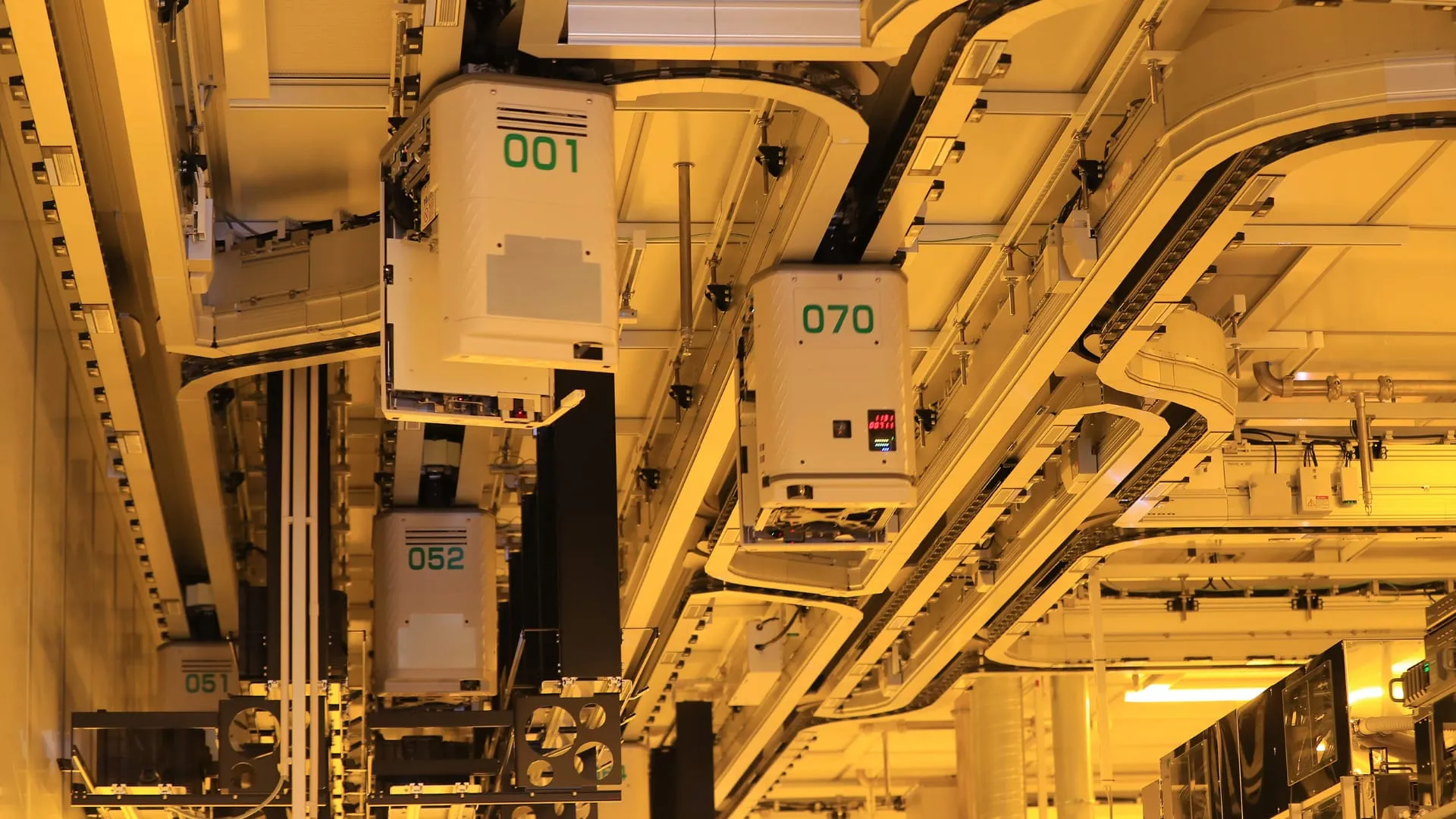
The quest for the world’s most advanced chips is a monumental engineering feat, but behind the glittering façade of cutting-edge fabrication lies a complex logistical challenge: how do you move the materials necessary to make these microprocessors? At the heart of this logistical puzzle are Automated Guided Vehicles, or AGVs—the sophisticated robots that navigate the sprawling cleanrooms of semiconductor fabs, ferrying sensitive silicon wafers and supplies between essential manufacturing tools.
For companies like Intel, these AGVs are not mere convenience; they are critical infrastructure. They ensure the pristine, controlled environment required for the most delicate manufacturing processes. Yet, this essential equipment is facing a surprising hurdle. Intel has approached the Federal Communications Commission (FCC), requesting an exception to a blanket prohibition against foreign-made robots, arguing that their specialized AGVs must be allowed to operate.
The friction arises because the FCC has placed foreign-made technology under scrutiny, aiming to steer American industry toward domestic manufacturing. This move is part of a wider effort to secure the supply chain and maintain technological independence. In the case of the AGVs, the concern is that if Intel relies on foreign-sourced robots, they risk falling under these restrictions, potentially stalling operations.
The issue is compounded by a lack of domestic alternatives. While the global market is dominated by manufacturers in Japan—such as Murata Machinery and Daifuku Co.—and smaller players from South Korea and Taiwan, there are currently no suitable domestic competitors to fill this critical niche. This dependency creates a bottleneck, as maintaining the constant software and firmware updates required for the AGVs becomes precarious if the supply chain is constrained.
Intel is asking the FCC for a conditional waiver, seeking assurance that updating its AGVs will not violate compliance rules, simply to ensure the continued operation of these specific units. This request highlights a fascinating tension: balancing the need for operational continuity in high-stakes manufacturing against national regulatory goals designed to promote domestic production.
This challenge is not unique to Intel. Other major players are similarly engaged in building their domestic manufacturing bases. Companies like TSMC, which is planning massive expansions in Arizona, and Samsung, which is developing its new Taylor, Texas fab, are also navigating the landscape of supply chain regulation. Even ambitious projects like Elon Musk’s Terafab are pushing the boundaries of what is possible, all while the semiconductor industry grapples with how to secure its foundational tools.
Ultimately, the story of the AGVs is a microcosm of the broader battle for technological sovereignty. It shows how regulatory bodies like the FCC are attempting to use import restrictions not just to control consumer goods, but to influence the location of the next generation of global manufacturing. For the high-tech sector, the future of chipmaking depends not only on brilliant engineering but also on successfully navigating the complex intersection of innovation and geopolitical policy.
Buy on Amazon
Credit
