Intel Googlebooks vs Qualcomm Android app performance
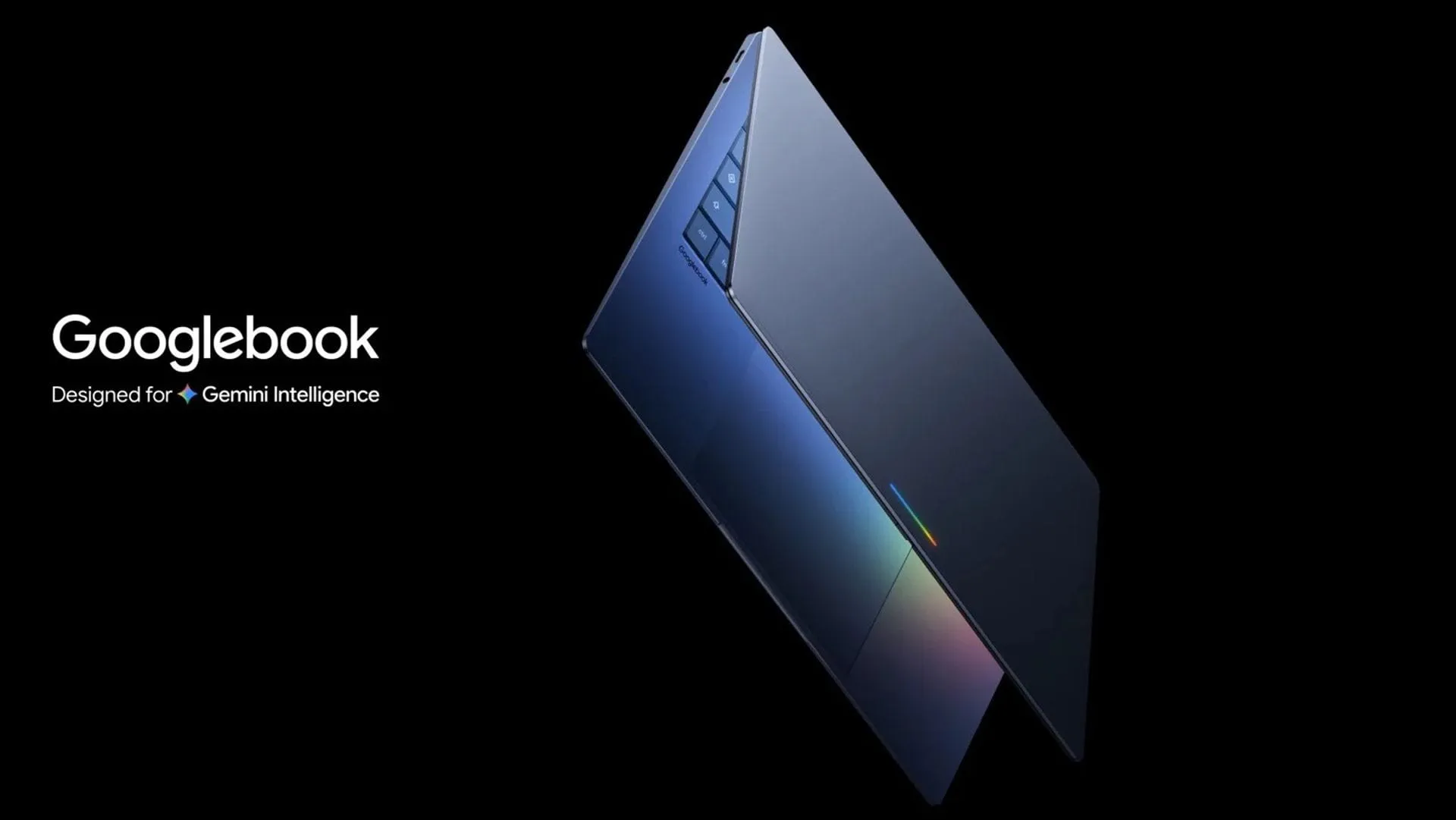
Googlebooks Enter the Arena: Are These Laptops the Android Answer to Mac?
Google has just dropped five new laptops onto the market, and they aren’t just incremental updates—they’re a bold attempt to redefine the computing experience. Dubbed Googlebooks, these machines aim to deliver a complete Android ecosystem experience, positioning themselves squarely against the dominance of Apple’s Mac line. With prices ranging from $899 to $1,299, Google is betting that its integrated software and hardware combination can offer a compelling alternative to traditional desktop setups.
The core promise of the Googlebooks is running Android applications natively. But when a company talks about native experiences, there’s always a layer of technical complexity hiding beneath the glossy exterior. Google has admitted that achieving seamless performance across different processor architectures—Intel versus Qualcomm—requires fine-tuning. While the vast majority of Android apps run smoothly right out of the box, the nuanced reality involves the silicon itself.
The performance difference stems from how applications are built. Many Android developers utilize architecture-agnostic tools like Kotlin and Java, which allow apps to thrive across various systems. However, some complex games or applications compiled exclusively for ARM64 architectures sometimes require extra developer intervention to perform optimally on Intel-based systems. Google is actively collaborating with app developers and chip manufacturers to optimize this compatibility, ensuring a smoother ride for everyone.
The lineup itself is a fascinating blend of hardware choices. The Intel-powered models include the Asus Googlebook 14, the Lenovo Googlebook 15, and the Acer Googlebook 14. Meanwhile, the other models, including the Dell XPS Googlebook and the HP Googlebook 14, leverage Qualcomm’s powerful Snapdragon X Elite chips.
Beyond the processor, the Googlebooks offer configurations that appeal directly to power users. Buyers can select between 16GB or 32GB of RAM, and storage options are available in either 256GB or 512GB. Crucially, these machines don’t just focus on hardware; they integrate a powerful service layer. Every Googlebook comes bundled with twelve months of Google AI Pro, which includes access to 5TB of cloud storage, currently valued at $249.99.
Ultimately, the Googlebook strategy is about offering more than just a laptop; it’s about offering a cohesive lifestyle. By striving to replicate the seamless integration Apple provides between its hardware and software, Google is aiming to capture a segment of the market that craves a unified, powerful, and increasingly intelligent ecosystem. Whether you choose the Intel route or the Qualcomm path, the Googlebook lineup demonstrates that the future of mobile computing is about open standards, performance optimization, and holistic user experience.
Buy on Amazon
Credit
