Intel Israel explosion kills two seriously injures one
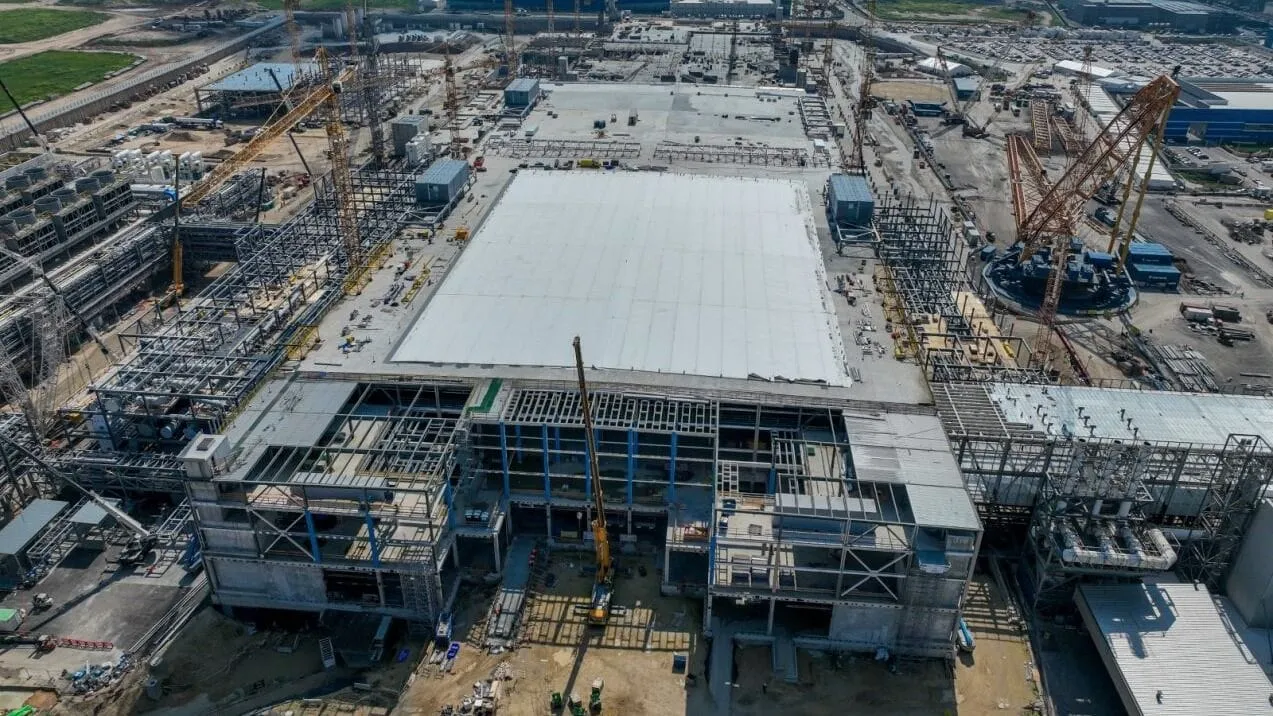
An industrial accident at Intel’s Kiryat Gat plant in southern Israel on Wednesday resulted in tragedy and severe injuries, claiming two lives and leaving one worker in critical condition.
The explosion, which rocked the facility, is suspected to have been caused by a malfunction in a gas cylinder. Emergency services quickly mobilized, deploying at least eight teams, including hazardous material specialists, to contain the fire and manage the hazardous substances.
The hazardous material involved was nitrogen trifluoride (NF3), a toxic gas commonly used in the chipmaking process chambers to clean manufacturing tools. While the gas is hazardous if inhaled, it is not flammable, and efforts were made to cool the scene immediately to prevent any secondary incidents.
The blast occurred during a material transfer operation when one truck disconnected while another was connected to the tanks at the factory, leading to the catastrophic event. The scene was carefully managed by local authorities, who confirmed that while the emergency response was intense, there was no immediate danger to the public or nearby factory workers.
The impact on the workers was severe. Magen David Adom, Israel’s national emergency medical service, reported that three individuals suffered severe burns. Tragically, one worker was pronounced dead, followed shortly by a second fatality from their wounds. The third injured worker remains hospitalized in critical condition.
The facility houses Fab 28, a critical manufacturing area responsible for producing processors, 5G, and AI products using Intel 7 technology. This complex industrial setting adds a layer of complexity to the incident, as the operations involve highly specialized and volatile chemical processes.
While Intel has yet to release official statements regarding the victims or potential production delays, the incident takes place against a backdrop of existing supply constraints. Intel‘s capacity for Intel 7 chips was already reported to be tight, with supply shortages expected to continue into 2026.
This event underscores the inherent risks in advanced semiconductor manufacturing and the critical need for stringent safety protocols within the high-tech supply chain.
Buy on Amazon
Credit
