Intel Nova Lake fills the high-end desktop gap
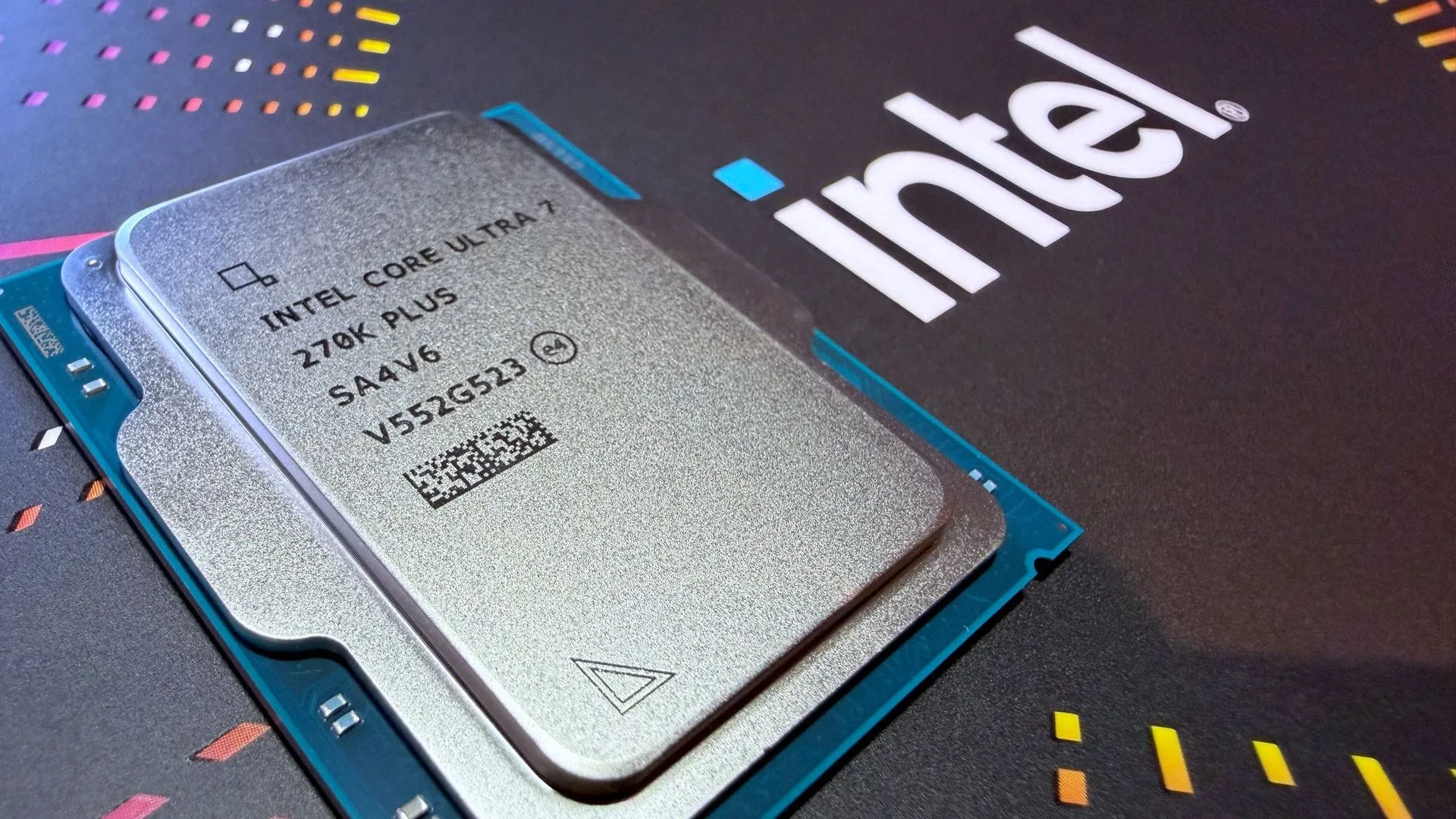
Intel is preparing for a major shift, signaling strong confidence about the performance of its next generation of desktop chips. While the company navigated recent financial discussions with shareholders, the real excitement lies in the tantalizing hints they have dropped about their upcoming Nova Lake architecture, promising a potent comeback in the high-performance segment.
The countdown to the reveal is on, with expectations set for the announcement at CES 2027. This strategic move comes after a period where the industry wrestled with memory constraints and sales fluctuations, allowing Intel to focus on foundational innovation.
Sources indicate that Nova Lake, Intel’s first client product utilizing the 18A-P node, is tracking ahead of schedule. This transition is significant, as it represents a step-up for desktop performance. While existing mobile chips use the 18A node, desktop performance was previously constrained, with other high-end chips relying on competing manufacturing processes.
The 18A-P node is engineered to deliver meaningful improvements. Intel claims this new technology promises 9% higher performance at iso power or more than 18% lower power at iso performance. This efficiency gain is critical for delivering power-hungry, high-end gaming and professional workloads in a more sustainable package.
Beyond the raw power numbers, the true strategic impact of Nova Lake lies in its ambition to redefine the high-end desktop market. Intel has long sought to fill a perceived gap in the high-end desktop (HEDT) segment, moving beyond the traditional gaming chips. This new architecture is positioned not just as an iteration, but as a statement designed to recapture market share.
This focus directly targets the intense competition, particularly with AMD’s success in the high-end gaming space through its X3D chips. As Intel looks to reverse the market share trend, Nova Lake is seen as the key to demonstrating superior performance in this competitive arena.
A core element of this new approach is the incorporation of Big Last Level Cache (BLLC). This technology is Intel’s direct response to the success of AMD’s 3D V-Cache technology. By integrating substantial cache directly into the CPU design, Intel aims to achieve a core- and cache-happy experience, positioning chips like the Core Ultra 9 4970K BFC to lead the charge in performance.
The confidence displayed by Intel’s leadership suggests that Nova Lake is more than just a new chip; it is a deliberate strategy to address market shortcomings. It signals a commitment to delivering high-end performance that directly challenges the status quo and promises a renewed competitive footing for the company.
Mark your calendars for January 2027, as the world watches to see if Nova Lake delivers on these bold promises and successfully fills that coveted high-end computing space.
Buy on Amazon
Credit
