Intel phases out SGX for TDX with Diamond Rapids
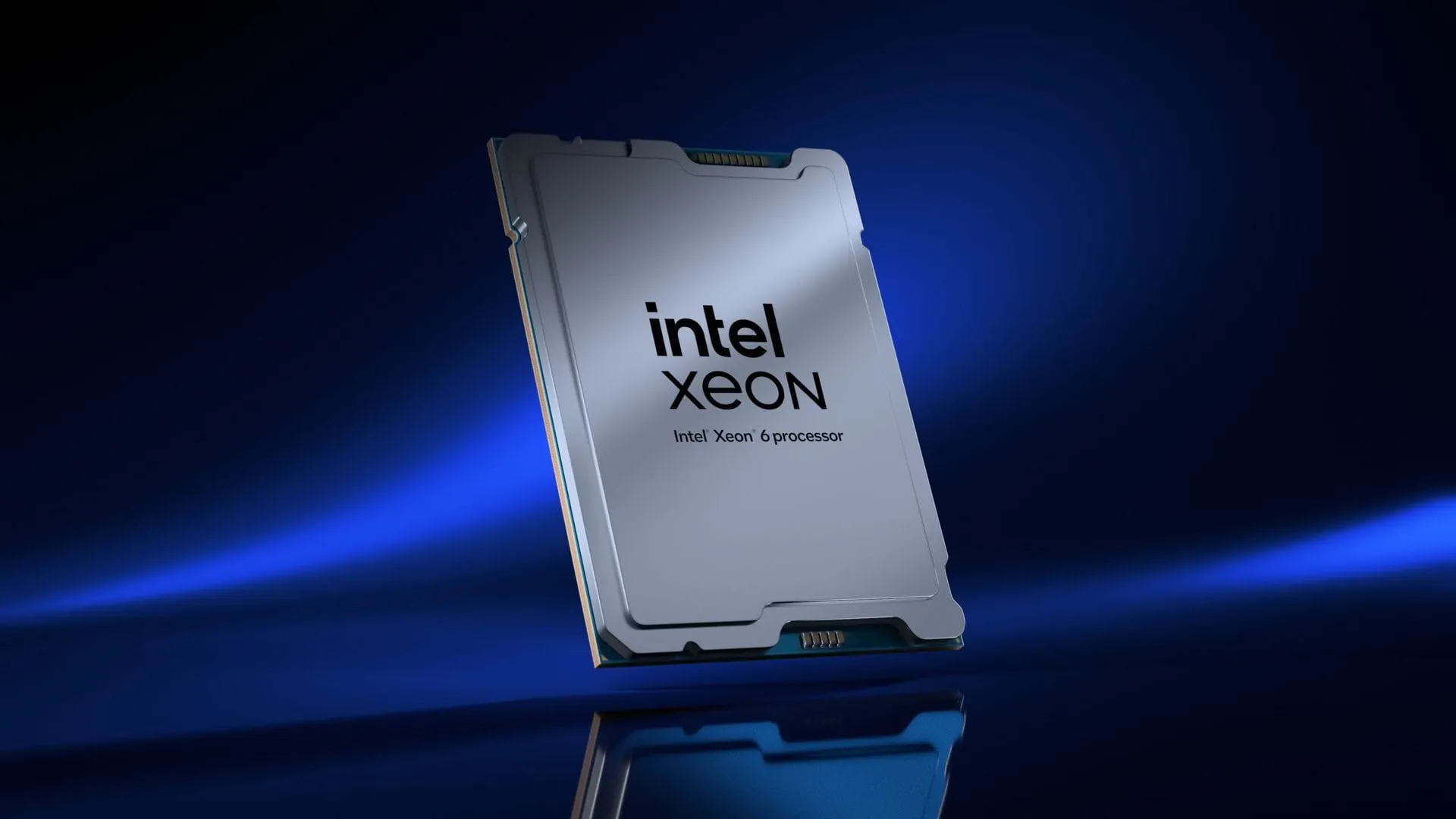
Intel Shifts Confidential Computing Focus from SGX to TDX for the AI Era
Intel is signaling a major evolution in how confidential computing is delivered, shifting its primary focus from its established Software Guard Extensions (SGX) technology toward Trust Domain Extensions (TDX). This strategic pivot is driven by the demands of modern cloud infrastructure, emerging requirements for data sovereignty, and the accelerating need to secure complex, multi-agent Artificial Intelligence (AI) workloads.
For five years, Intel SGX has provided a foundational layer for protecting sensitive data by creating hardware-protected enclaves within applications, isolating specific code and data from the operating system and hypervisor. While this approach successfully established confidential computing in the data center, the industry is now looking for a more scalable and adaptable solution for the vast, dynamic environment of public and private cloud services.
The current focus is on TDX, which takes a fundamentally different approach to isolation. Instead of protecting small segments of an application, TDX isolates entire Virtual Machines from the underlying host environment, including the hypervisor and other virtual machines. This distinction is crucial: while SGX requires developers to extensively modify applications to use protected enclaves, TDX allows cloud service providers to secure entire workloads within confidential VMs without extensive changes to individual applications, making it highly attractive for massive virtual machine deployments.
This architectural difference reflects an industry preference for VM-level isolation over application-specific enclaves when scaling confidential computing across large infrastructures. Intel believes that TDX offers the necessary scalability and operational model for widespread adoption of confidential computing in the enterprise.
Despite the competitive landscape, Intel has not cited security concerns as the reason for phasing out SGX. The decision to concentrate resources on TDX is rooted in the belief that TDX provides a more practical, scalable solution for the future of cloud security.
Looking ahead, Intel is aggressively expanding TDX capabilities through a suite of new features designed to address increasingly complex security needs. These enhancements include Intel TDX Connect, which enables trusted I/O, and advancements in post-quantum cryptography and enhanced attestation mechanisms. Trusted I/O is particularly vital for securing data transfer between virtual machines and external devices or accelerators, ensuring that the security perimeter extends beyond the core VM boundaries.
The next major driver for this expansion is the rise of agentic AI. Autonomous AI agents require the ability to access sensitive information, execute operations across multiple systems, and maintain separate, hardware-isolated execution environments. TDX is uniquely positioned to protect these entire agent execution environments, allowing multiple agents to operate in separate, secure VMs on shared infrastructure.
Furthermore, Intel is coordinating confidential computing across the entire processing pipeline, extending protection to GPU-accelerated AI workloads in partnership with Nvidia. This integrated approach ensures that sensitive data and complex AI models are protected from the moment of processing.
This evolution is already seeing adoption. Major cloud providers, including Microsoft Azure, Google Cloud, IBM Cloud, and Alibaba Cloud, are already offering TDX capabilities. Simultaneously, software giants like Red Hat, Canonical, and VMware are adding TDX support to their platforms, paving the way for widespread enterprise adoption of confidential computing in the early 2030s.
Buy on Amazon
Credit
