Intel shifts capacity to data center chips during memory crisis
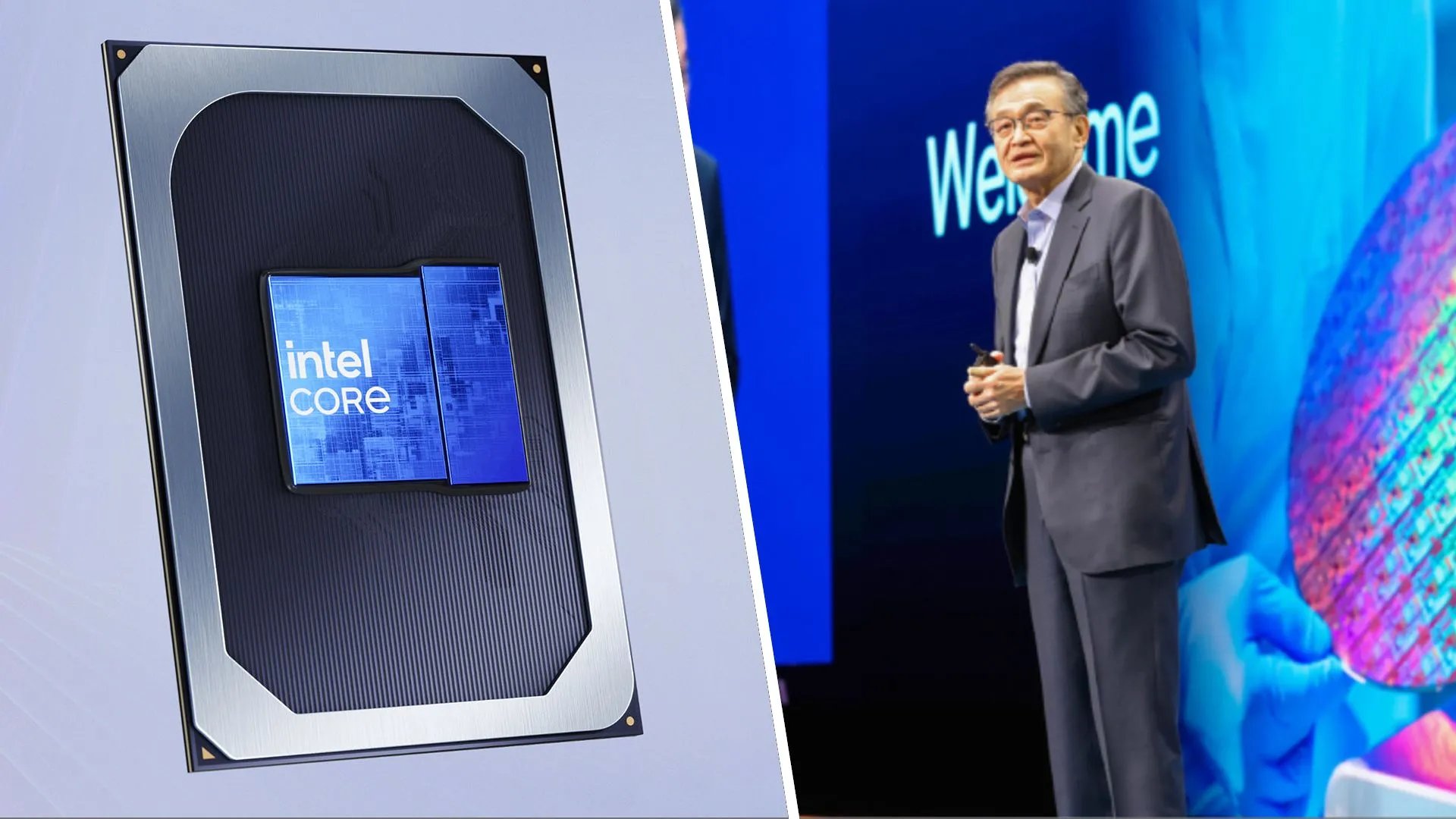
The semiconductor world is currently navigating a brutal reality: the memory crisis continues to drive up prices, creating significant headwinds for chipmakers like Intel. This economic squeeze is making it harder for Intel to move consumer computer chips, prompting a strategic pivot to redefine where their manufacturing capacity is allocated.
In a recent earnings call, Intel’s leadership acknowledged that the next few quarters are expected to be challenging for the entire PC market. Faced with these difficulties, the company is looking beyond simply sitting on chips it cannot sell. Instead, Intel is strategically looking to divert some of its high-capacity 18A wafer production toward the data center sector.
This move reflects a deeper understanding of shifting market priorities. Intel’s CFO confirmed that the capacity being prepared for production in Oregon is currently focused on Panther Lake products. However, by reallocating this 18A capacity, the company sees an opportunity to expand production of data center wafers, optimizing the use of valuable resources.
The consumer landscape itself is segmenting sharply. Intel currently offers two distinct chip families on the 18A node: Panther Lake, which is focused on graphics and gaming, and the more accessible Wildcat Lake offerings. Corporate customers utilize a separate line, Clearwater Forest.
The market response highlights the strength of cost-optimized solutions. While Panther Lake has successfully entered the 18A production cycle, the budget-focused Wildcat Lake chips are reportedly selling exceptionally well. In fact, the demand for Wildcat Lake has been so intense that production units increased by approximately 70% sequentially, leading to these chips quickly selling out.
This surge confirms a powerful market appetite: consumers and businesses are actively seeking cost-effective computing power. This demand for affordability underscores the difficulty of the current supply chain, which is constrained not just by wafer allocation at Intel’s fabs, but also by limitations on the substrate side.
Looking ahead, the outlook remains cautious. Internal groupings tracking gaming chips suggest a decline of greater than 20% sequentially, as companies reduce inventories and postpone new orders for the upcoming year. This trend aligns with broader warnings from research firms regarding the persistence of high memory and storage costs.
The larger economic picture suggests that the pricing pressures are likely to persist well into the next few years, possibly until 2030. This inflationary effect ripples through the supply chain, starting with the customer’s wallet, leading to reduced orders from retailers and suppliers, eventually reaching the point of production.
For Intel, managing this complex interplay of supply constraints, market demand, and macroeconomic pressures will be crucial as it attempts to steer its roadmap toward long-term growth while navigating the current, challenging market environment.
Buy on Amazon
Credit
