Intelligence agency misplaced a significant number of drives
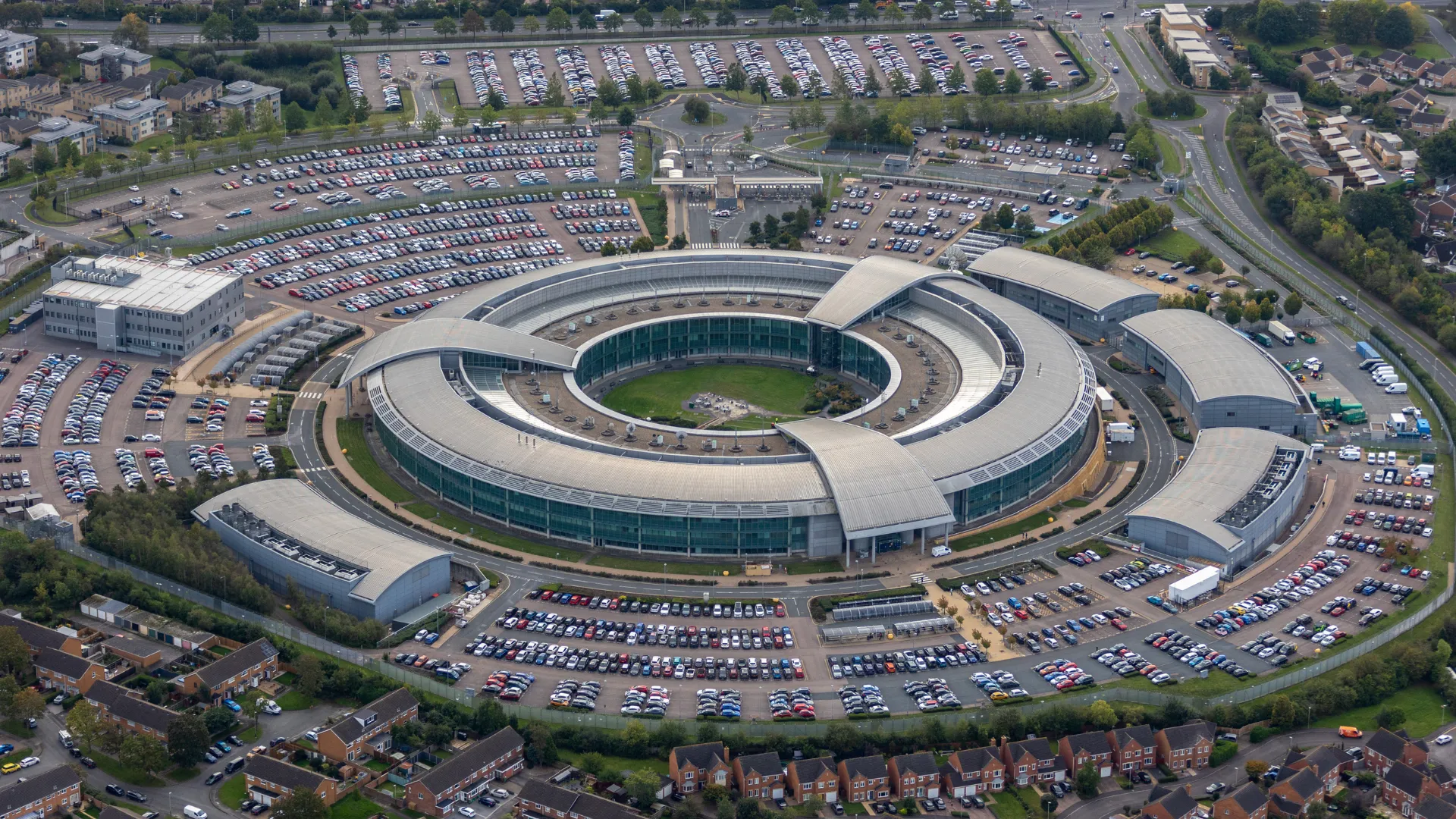
Even the most sophisticated intelligence agencies aren’t immune to the simple, yet catastrophic, blunder of losing important data. In a matter that has prompted serious reflection within the UK’s security establishment, the Investigatory Powers Commissioner’s Office (IPCO) has highlighted that a very significant number of storage drives belonging to General Communications Headquarters (GCHQ) have been missing for years, and their whereabouts remain unclear.
The situation points to a profound issue regarding the tracking and security of removable media. While GCHQ officials were aware of these missing drives some time ago, the lack of a comprehensive accounting of the lost materials has raised serious concerns about the scale, location, and recoverability of the information contained within. Lord Brian Leveson, the Investigatory Powers Commissioner, stressed that while technical challenges exist, the passage of time without a full understanding of this scope heightens the need for sustained focus and assured remediation.
GCHQ has acknowledged that its previous tracking systems for removable media were insufficient. However, they have since taken steps to rectify the situation, launching a dedicated program aimed at locating as many of the missing drives as possible. Furthermore, the agency plans to implement an automated asset-tracking system before 2027, ensuring that such gaps in visibility are closed for the future.
The importance of this issue stems from the sensitive nature of the material involved. Although neither GCHQ nor IPCO have confirmed the exact contents of the missing drives, the potential for them to contain crucial information regarding GCHQ operations, administration, and other sensitive data remains a significant concern.
GCHQ operates as the UK’s primary signals intelligence and cybersecurity agency, operating under the legal framework of the Investigatory Powers Act (IPA). This legal structure governs how the agency collects data, intercepts communications, and manages national security information.
While the focus is now on correcting internal systemic failures, this incident serves as a broader reminder that data security is a challenge faced by many large organizations. It is not an isolated occurrence. Other governments and institutions have also grappled with similar problems concerning data loss and inadequate backups.
For example, the Ministry of Defence in Britain experienced losses of classified USB drives between 2003 and 2008, and other nations have faced severe consequences from catastrophic data loss, underscoring the critical importance of robust data management practices. These examples illustrate that the risk associated with managing vast amounts of digital information—especially when relying on older tracking methods—is a challenge that demands continuous, meticulous attention.
Buy on Amazon
Credit
